Bugweed
NameBugweed
Scientific NameSolanum mauritianum
Common NamesBugweed, Woolly Nightshade, Tobacco Weed, Wild Tobacco
Plant FamilySolanaceae
Natural HabitatNative to South America, it has become an invasive weed in many subtropical and warm temperate regions worldwide, often found in disturbed areas, forest margins, roadsides, and riparian zones.
Parts Usedleaf
Medicinal Actionsanti-inflammatory, analgesic
Traditional UsesTraditionally, the leaves have been used externally as a poultice for boils, wounds, and skin irritations, and for localized pain relief. Internal use is highly discouraged due to the plant's toxicity.
Active ConstituentsSolasodine, Solamargine, Solanine, Solasonine
Preparation Methodspoultice
Contraindications & WarningsAll parts of the plant are considered toxic, especially the unripe fruit, due to glycoalkaloids. Ingestion can cause severe gastrointestinal upset, neurological symptoms, and can be fatal. Skin contact with sap can cause irritation in sensitive individuals. Not for internal use under any circumstances.
Cultivation NotesGenerally considered an invasive weed in many regions, its cultivation is often discouraged. It thrives in full sun to partial shade, in a variety of soil types, and is drought-tolerant once established, spreading rapidly by seed.
Raritycommon
Description
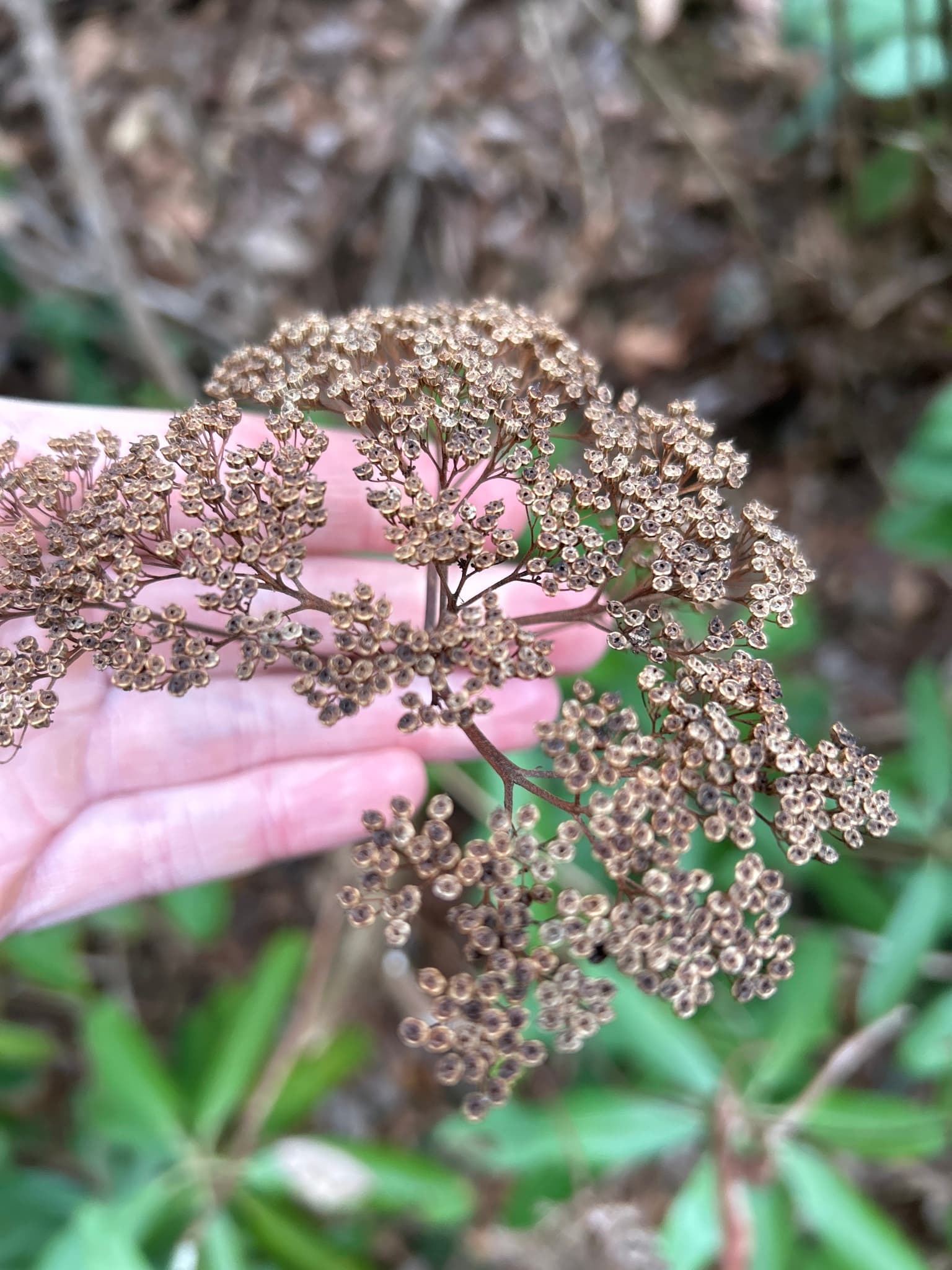
A fast-growing, evergreen shrub or small tree, typically reaching 2-4 meters in height. It features large, velvety, grey-green leaves and clusters of star-shaped purple flowers with prominent yellow anthers, followed by green berries that ripen to yellow.