Ipomoea retropilosa
NameIpomoea retropilosa
Scientific NameIpomoea retropilosa
Common NamesHairy-backed Morning Glory
Plant FamilyConvolvulaceae
Natural HabitatThis species is generally found in tropical and subtropical regions, thriving in disturbed areas such as forest margins, clearings, roadsides, and open fields. It prefers full sun to partial shade and well-drained soils.
Parts Usedleaf,root,seed
Medicinal Actionsanti-inflammatory, antioxidant
Traditional UsesWhile specific traditional uses for Ipomoea retropilosa are not extensively documented, many species within the Ipomoea genus have been traditionally used as purgatives due to their resin glycoside content. Some species have also been employed for their anti-inflammatory and antioxidant properties in various folk medicine systems, addressing a range of ailments.
Active Constituentsresin glycosides, alkaloids
Preparation Methodsinfusion, decoction, powder
Contraindications & WarningsDue to the presence of resin glycosides, which can have strong purgative effects, caution is advised. It should be avoided by pregnant or breastfeeding individuals, and those with gastrointestinal disorders. High doses may cause severe abdominal discomfort, vomiting, and diarrhea.
Cultivation NotesIpomoea retropilosa is a vigorous climber that can be grown from seed in full sun to partial shade with well-drained soil. It requires a support structure for climbing and is generally tolerant of various soil types, preferring warmer climates.
Rarityuncommon
Description
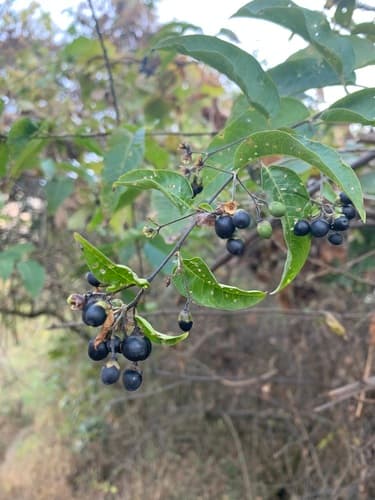
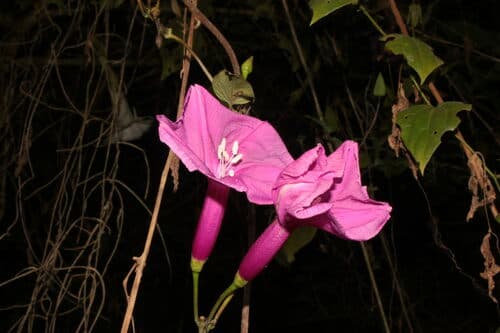
Ipomoea retropilosa is a herbaceous climbing vine characterized by its vibrant pink to purplish, trumpet-shaped flowers with prominent white stamens. Its leaves are typically heart-shaped or lobed, and it exhibits a vigorous growth habit, often twining around other vegetation.