Undulate Cestrum
NameUndulate Cestrum
Scientific NameCestrum undulatum
Common NamesUndulate Cestrum, Wavyleaf Cestrum
Plant FamilySolanaceae
Natural HabitatNative to tropical and subtropical regions of Central and South America, particularly Mexico and Guatemala. It thrives in disturbed areas, forest edges, and along roadsides, preferring warm climates.
Parts Usedleaf,bark,root,fruit
Medicinal Actionsanalgesic, sedative, nervine
Traditional UsesTraditionally used by indigenous cultures in Central America for ritualistic and shamanic purposes as an entheogen or visionary plant. In folk medicine, it has been employed for pain relief, as a sedative, and for treating fevers, though its potent psychoactive and toxic properties necessitate extreme caution.
Active ConstituentsTropane alkaloids (e.g., atropine, scopolamine, noratropine, norhyoscyamine), Solasodine
Preparation Methodsinfusion, decoction, powder
Contraindications & WarningsAll parts of Cestrum undulatum, especially the berries, are highly toxic and can cause severe anticholinergic poisoning, including hallucinations, delirium, tachycardia, and respiratory depression. It is not safe for internal use without expert guidance and is contraindicated during pregnancy, lactation, and in individuals with heart conditions, glaucoma, or psychiatric disorders. It can interact dangerously with anticholinergic medications.
Cultivation NotesThis plant prefers full sun to partial shade and well-drained soil. It is suited for warm, tropical to subtropical climates and is not tolerant of frost. Propagation can be achieved from seeds or cuttings, and it requires regular watering, though it can tolerate some drought once established.
Raritycommon
Description
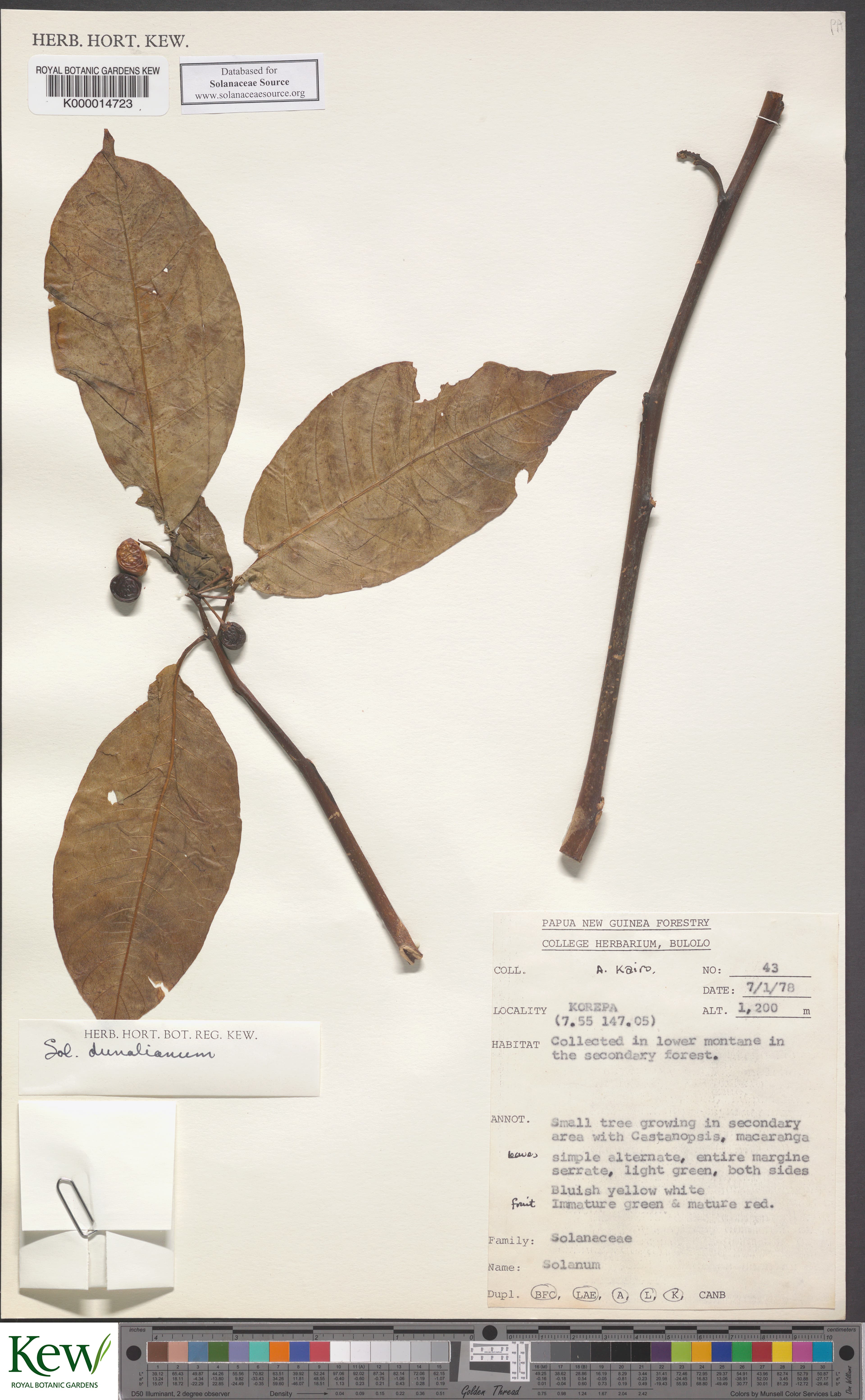
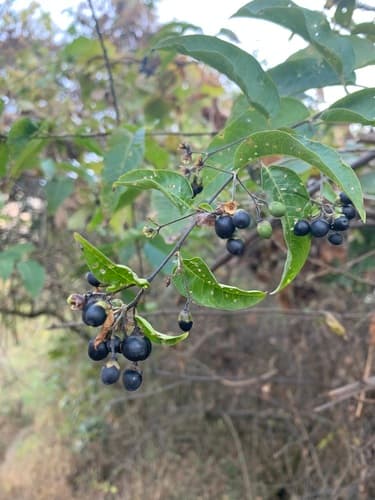
Cestrum undulatum is a shrub or small tree characterized by its wavy-margined, simple leaves and clusters of small, often fragrant, tubular flowers. These flowers develop into small, dark purple to black berries, which are prominent in the image.