Harbin Elm
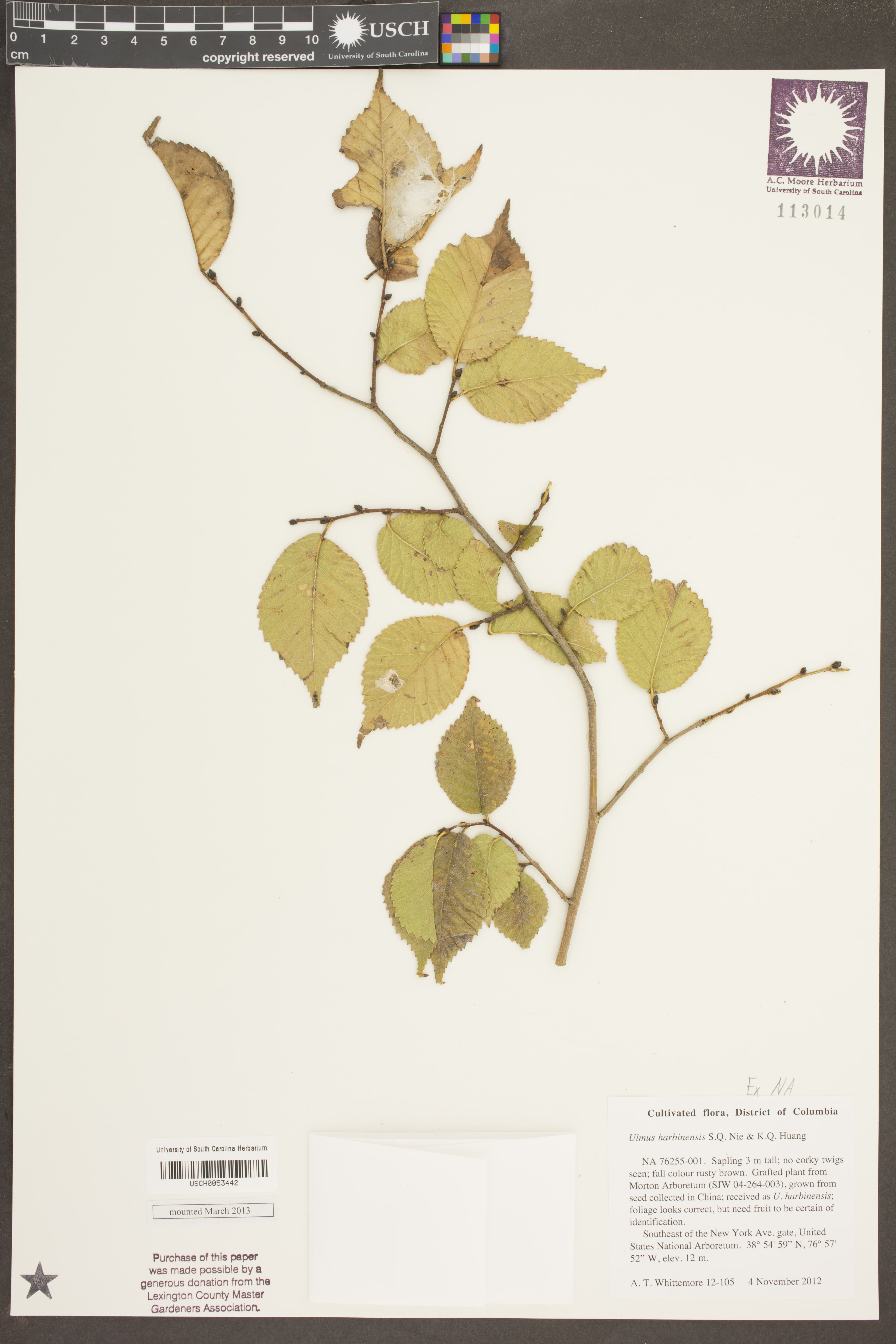
Image: Whittemore, A.T. (cc0)
NameHarbin Elm
Scientific NameUlmus harbinensis
Common NamesHarbin Elm
Plant FamilyUlmaceae
Natural HabitatNative to northeastern China, particularly Heilongjiang province, where it grows in forests and along riverbanks in temperate climates. It is also cultivated in botanical gardens and arboreta.
Parts Usedbark,leaf
Medicinal Actionsdemulcent, anti-inflammatory, astringent, antioxidant
Traditional UsesWhile specific traditional uses for Ulmus harbinensis are not widely documented, other Ulmus species, particularly their inner bark, are traditionally used as a demulcent to soothe irritated mucous membranes in the digestive and respiratory tracts. They are also used topically for skin irritations and wounds due to their anti-inflammatory and astringent properties.
Active Constituentsmucilage, tannins, flavonoids
Preparation Methodsdecoction, infusion, powder, poultice
Contraindications & WarningsGenerally considered safe when used appropriately. Due to its mucilage content, it may interfere with the absorption of other medications if taken simultaneously; it's advisable to take other medications several hours apart.
Cultivation NotesThis species prefers full sun to partial shade and well-drained soil. It is known for its hardiness and adaptability to various soil types. Propagation is typically by seed or grafting.
Rarityuncommon
Description
Ulmus harbinensis is a deciduous tree species native to northeastern China. It typically grows as a medium-sized tree, featuring alternate, simple, ovate to elliptic leaves with serrated margins and slender, non-corky twigs.