Birthwort
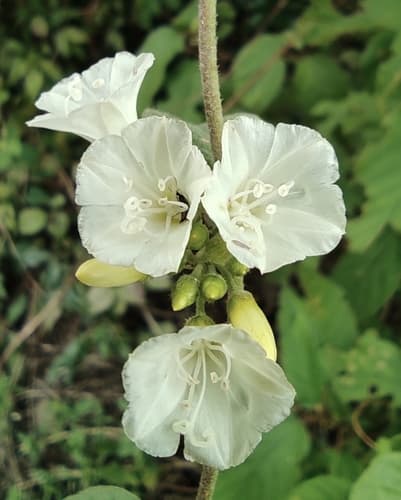
Image: Sneha Elango (cc-by-nc)
NameBirthwort
Scientific NameAristolochia spp.
Common NamesBirthwort, Dutchman's Pipe, Snakeroot
Plant FamilyAristolochiaceae
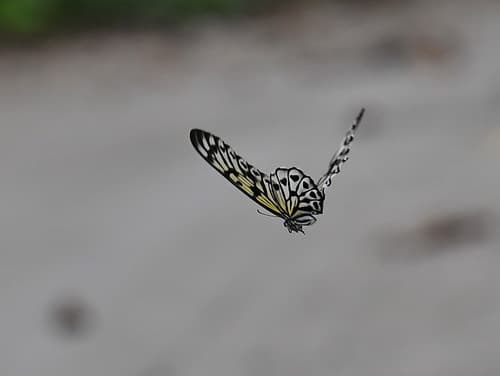
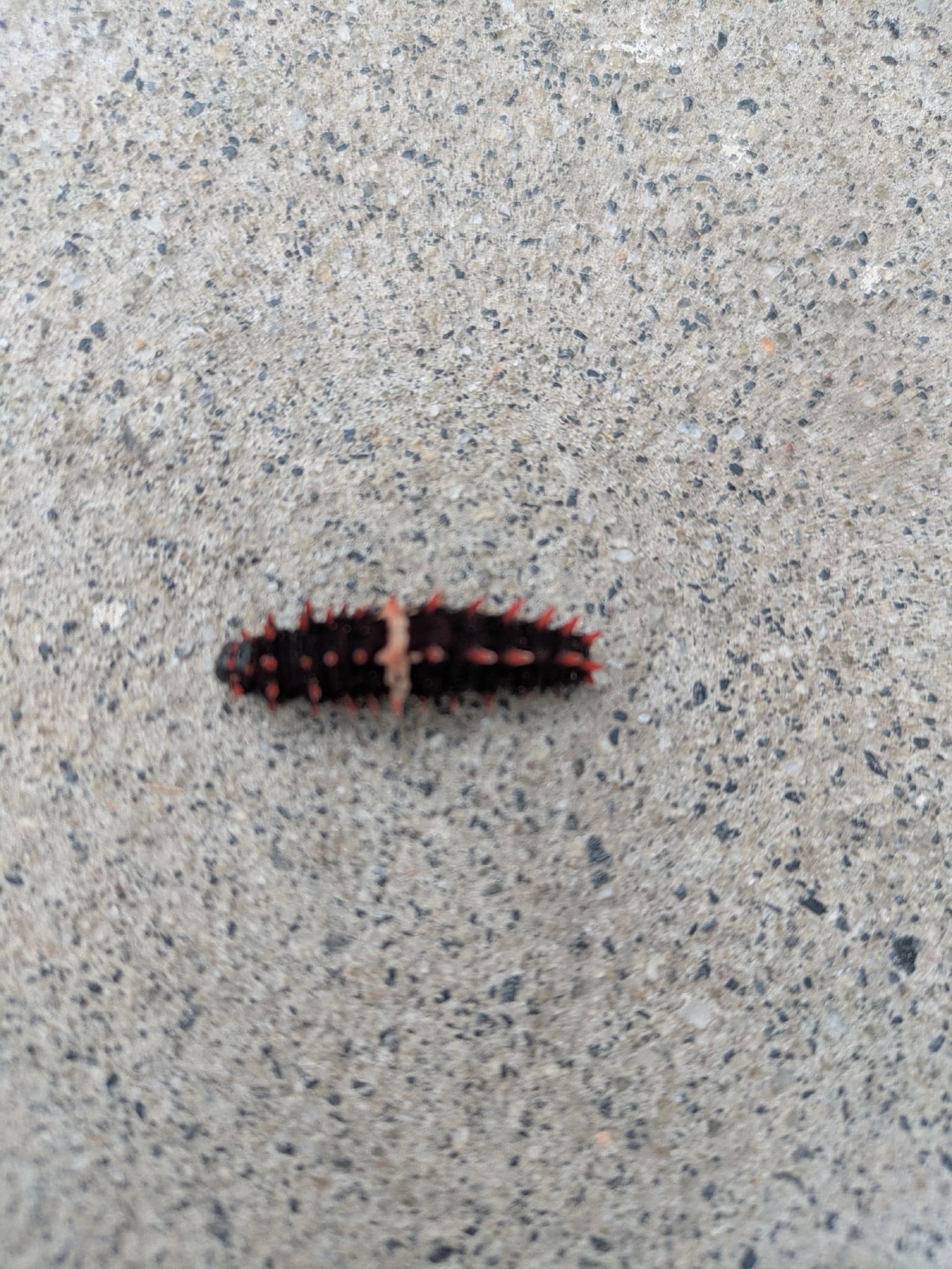
Natural HabitatVaries widely by species, found in tropical to temperate regions, often in woodlands, disturbed areas, or along riverbanks, serving as host plants for certain butterfly larvae like Pachliopta species.
Parts Usedroot,whole_plant
Medicinal Actionsanti-inflammatory, diuretic
Traditional UsesHistorically, various Aristolochia species were used in traditional medicine for conditions such as snakebites, menstrual issues, childbirth (hence 'birthwort'), and skin conditions. However, due to severe toxicity, its medicinal use has been largely abandoned and is strongly discouraged.
Active ConstituentsAristolochic acids, Aristolactams, Alkaloids
Preparation Methodsdecoction, powder
Contraindications & WarningsEXTREMELY TOXIC. All species of Aristolochia contain aristolochic acids, which are potent nephrotoxins and carcinogens, causing irreversible kidney damage and urinary tract cancers. Any internal or external use is strongly contraindicated and can be fatal.
Cultivation NotesCultivated primarily as ornamental plants for their unique flowers and foliage. Requires well-drained soil and can be grown from seed or cuttings. Not recommended for medicinal cultivation due to its extreme toxicity.
Raritycommon
Description
A diverse genus of herbaceous perennials, shrubs, or woody vines, often characterized by heart-shaped leaves and unique, pipe-shaped flowers that trap insects for pollination. Many species contain aristolochic acids, which are highly toxic.