Ipomoea nitida
NameIpomoea nitida
Scientific NameIpomoea nitida
Common NamesCoastal Morning Glory
Plant FamilyConvolvulaceae
Natural HabitatPrimarily found in coastal sandy areas, dunes, and disturbed grounds in tropical and subtropical regions, particularly noted in Brazil.
Parts Usedleaf,root
Medicinal Actionsantioxidant, anti-inflammatory
Traditional UsesWhile specific traditional medicinal uses for Ipomoea nitida are not widely documented, other species within the Ipomoea genus are traditionally used for their purgative properties (from roots) and sometimes for skin ailments or as general tonics (from leaves). The selection of medicinal actions is based on general properties found in the genus due to limited specific data for this species.
Active ConstituentsResin glycosides, Flavonoids
Preparation Methodsinfusion, decoction, powder
Contraindications & WarningsDue to the presence of resin glycosides in many Ipomoea species, caution is advised. High doses may cause gastrointestinal upset, and it should generally be avoided during pregnancy and lactation.
Cultivation NotesThis species thrives in full sun and well-drained, sandy soils. It is a vigorous grower, often used for ground cover or erosion control in coastal environments.
Rarityuncommon
Description
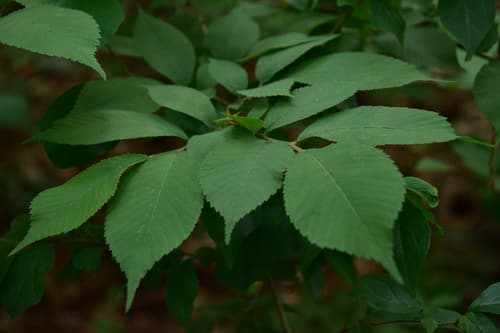
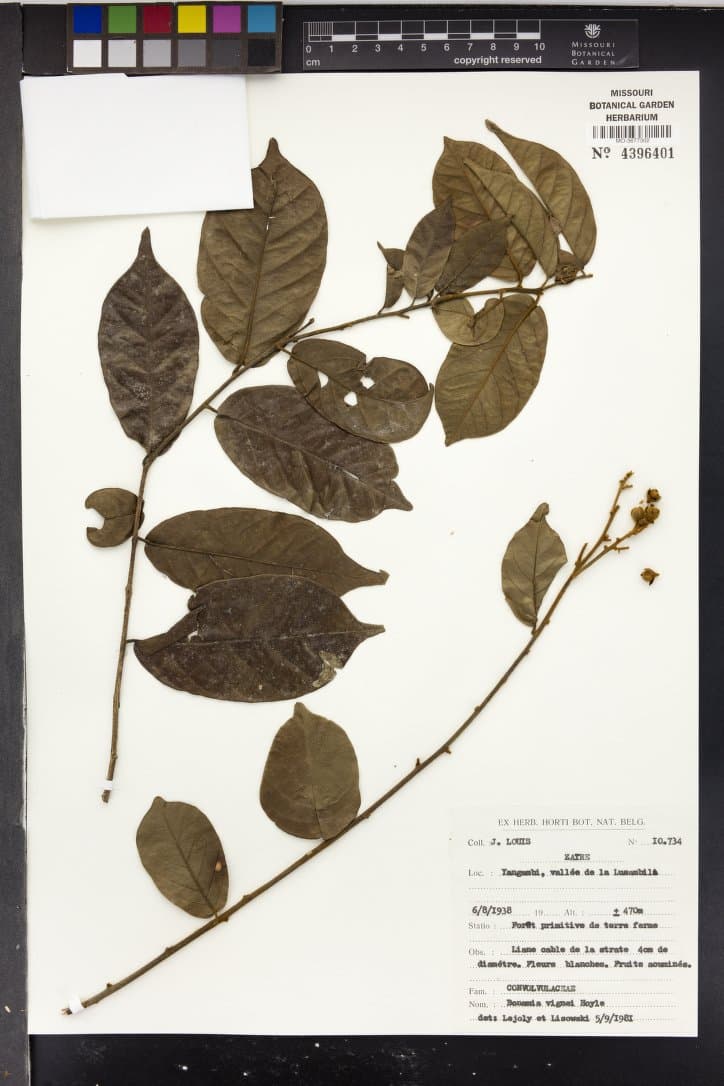
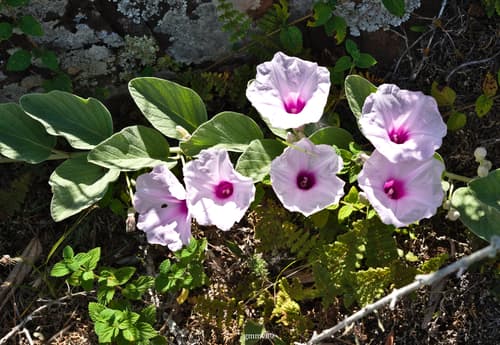
Ipomoea nitida is a perennial creeping vine characterized by its large, showy, pale lavender to pinkish-white trumpet-shaped flowers with a distinct deep purple throat. Its leaves are typically ovate to cordate, often displaying a silvery or pubescent underside.