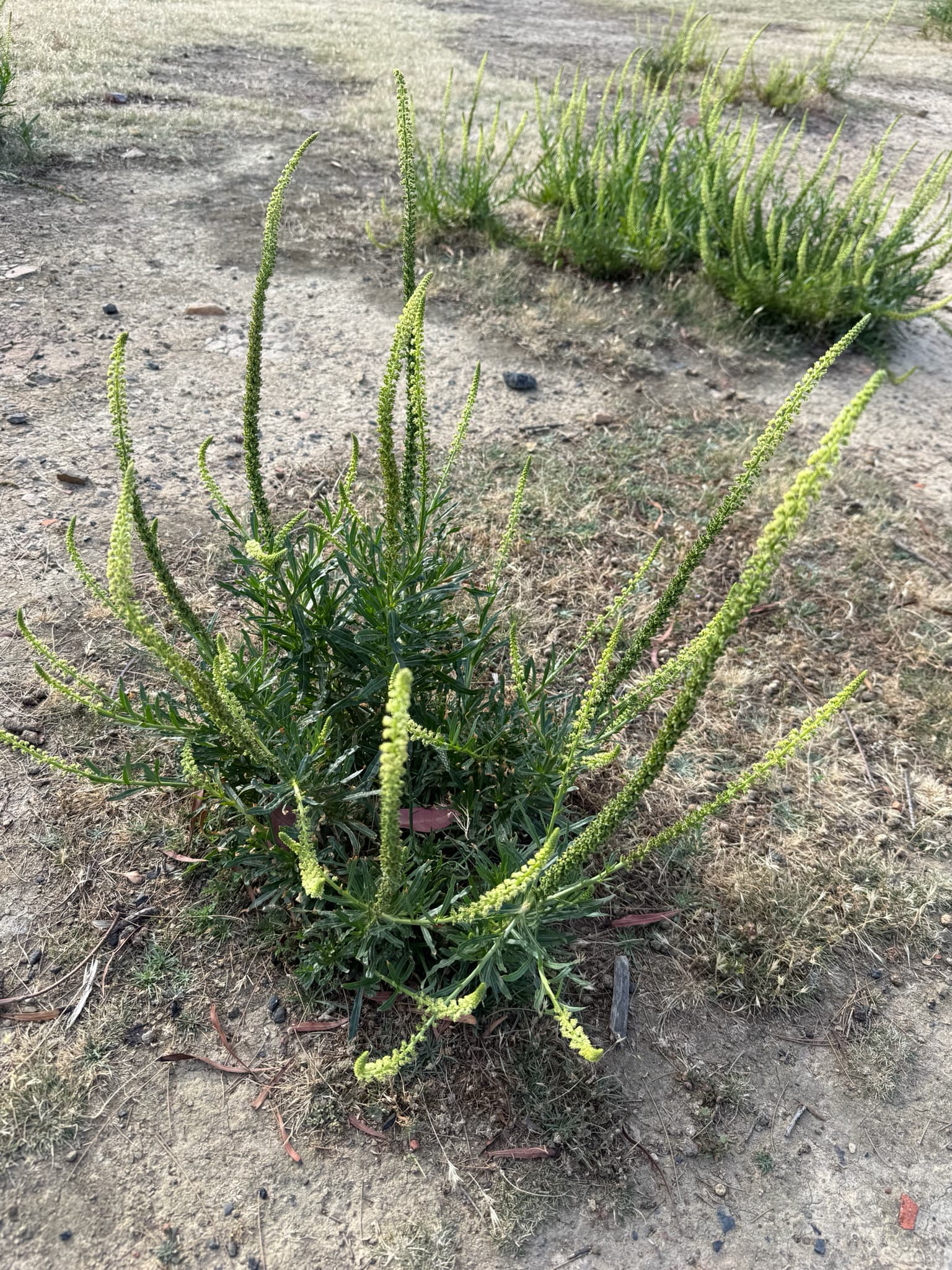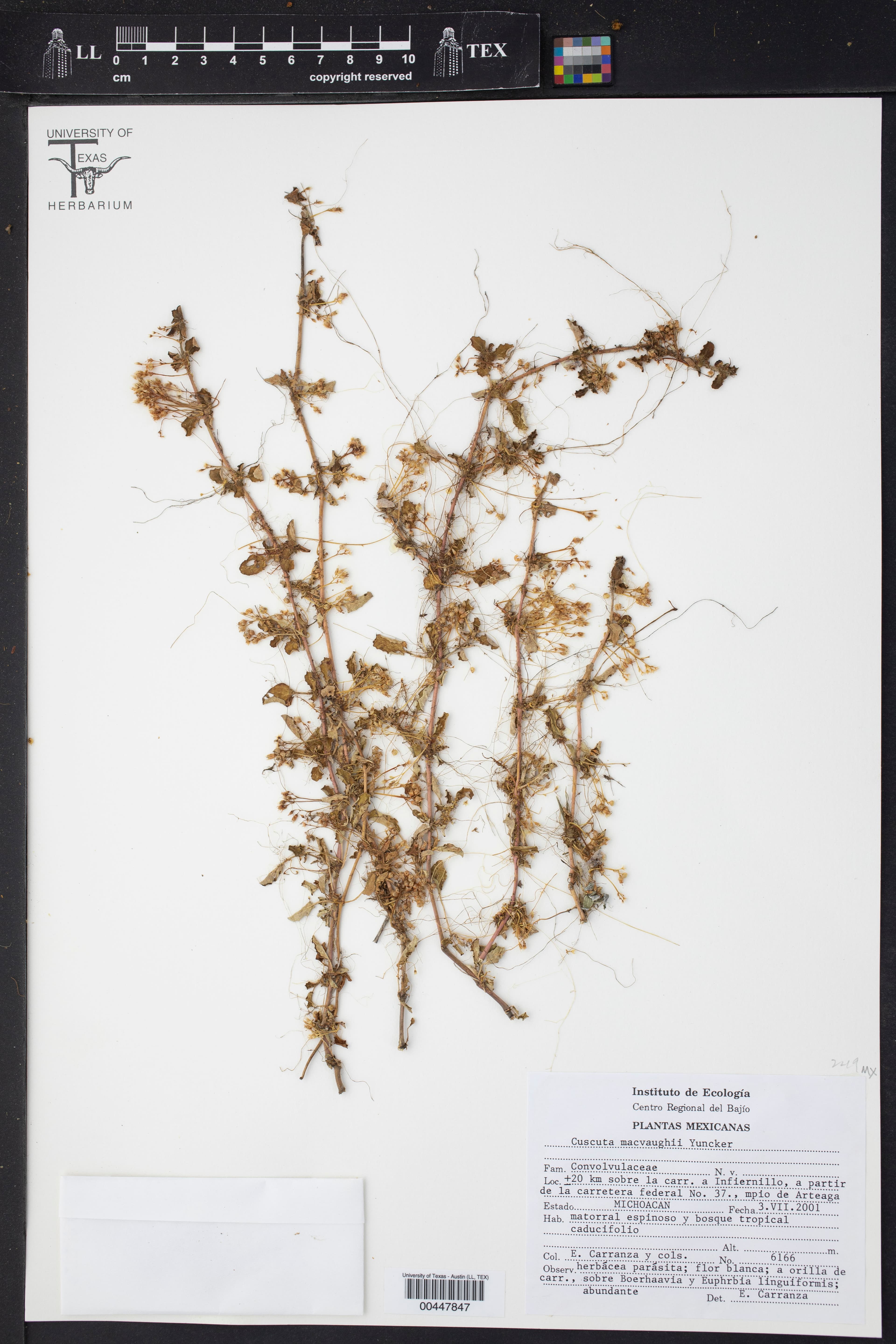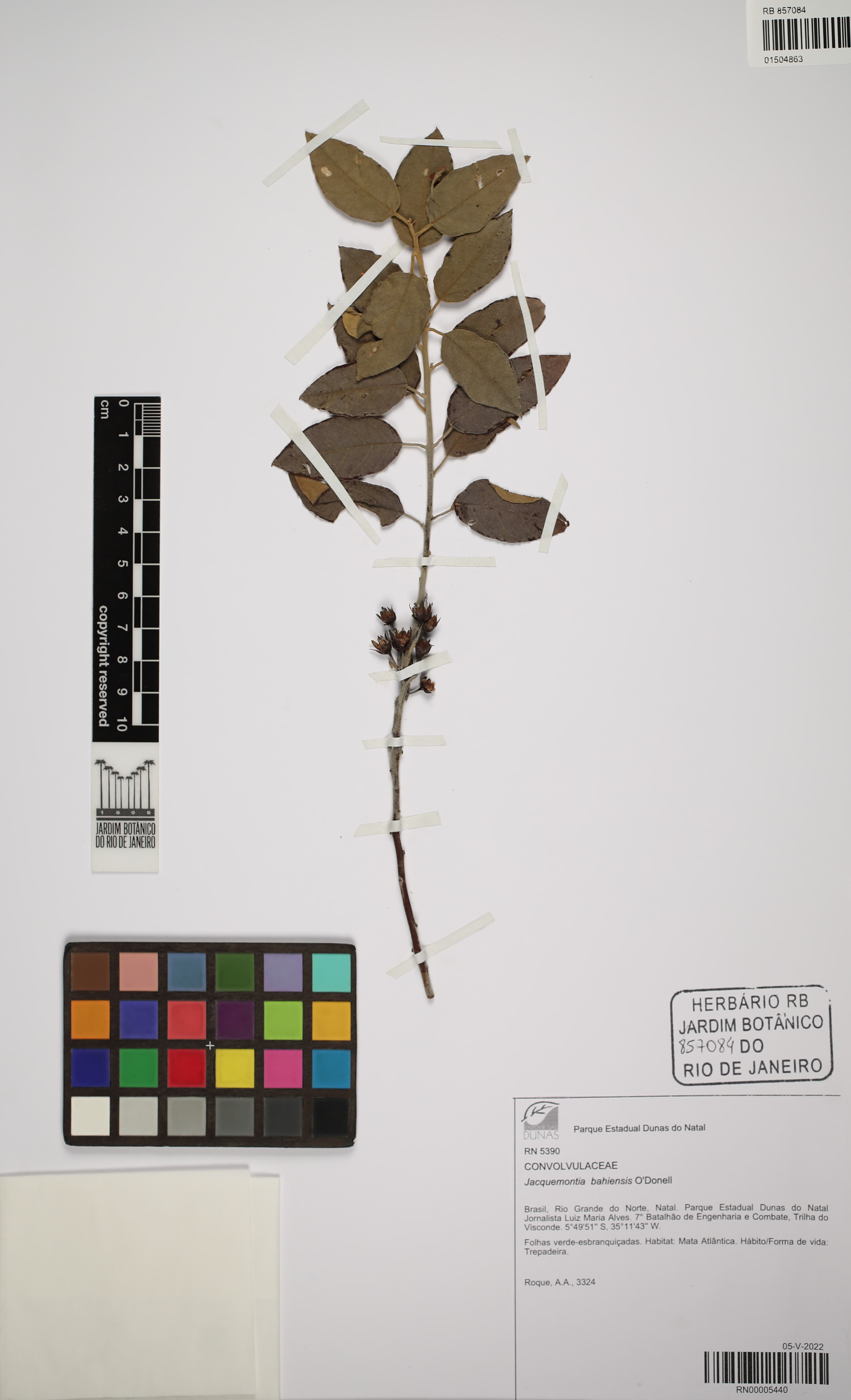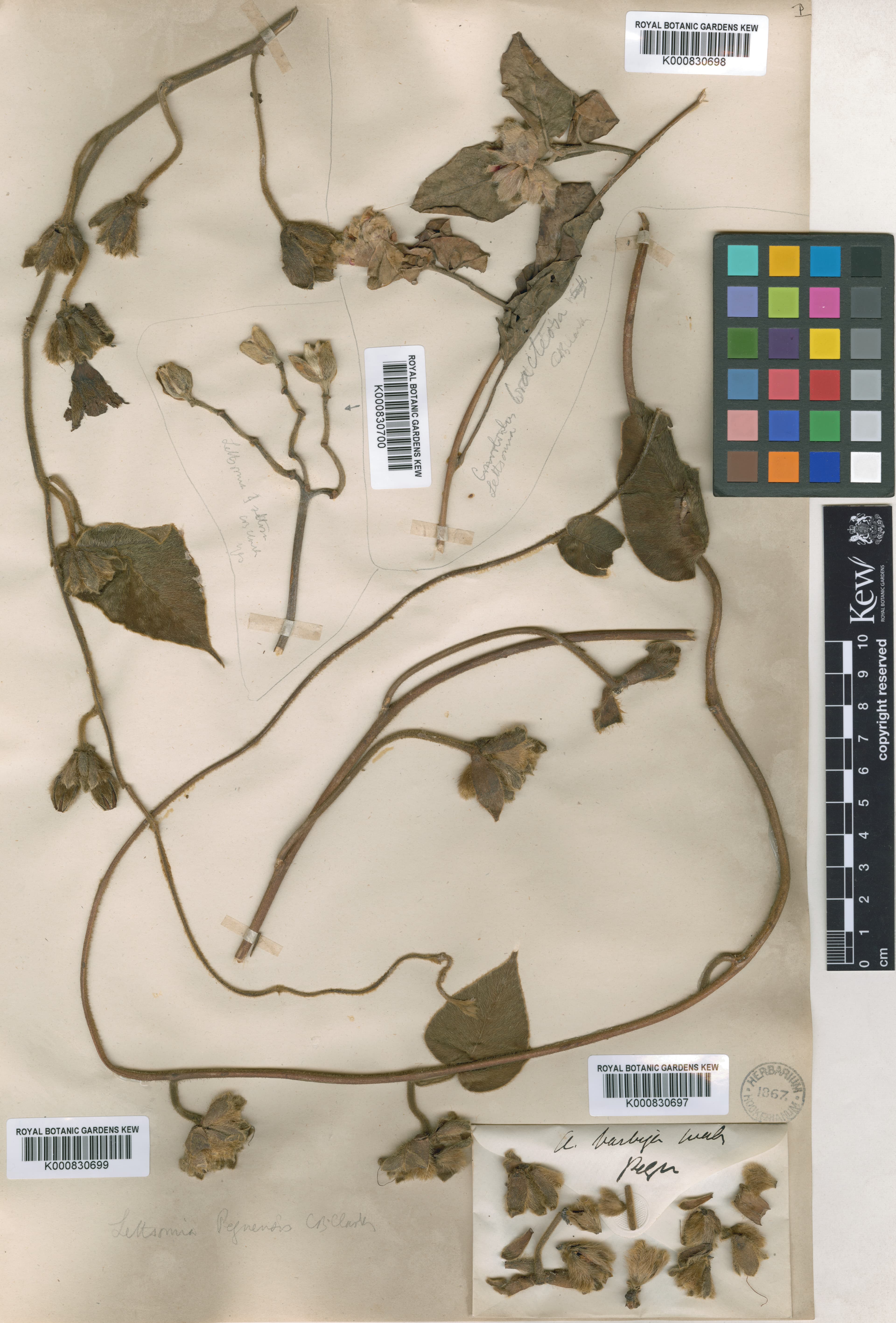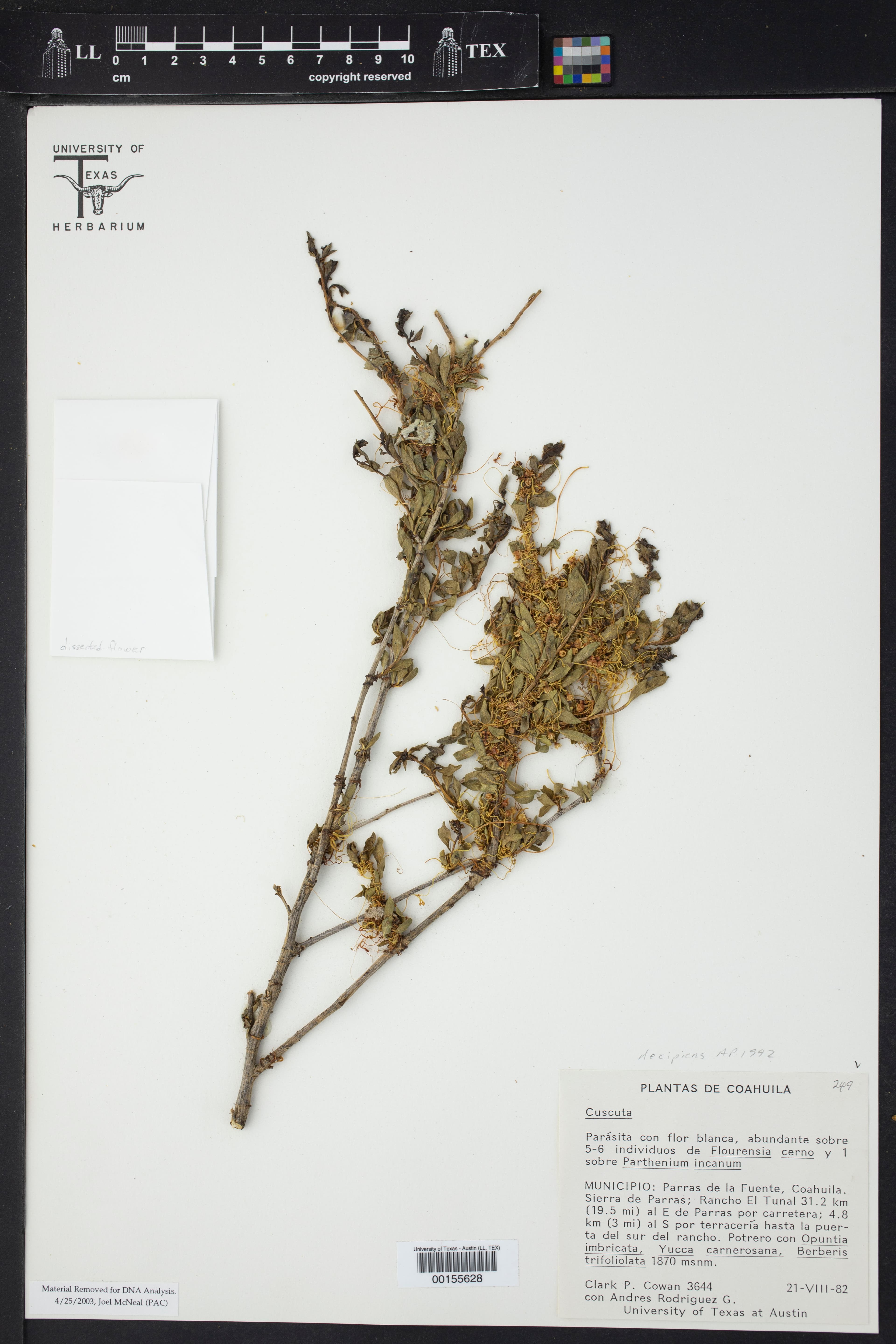
Cuscuta decipiens
Image: Clark P. Cowan|Andrés Rodríguez G. (cc0)
NameCuscuta decipiens
Scientific NameCuscuta decipiens Yunck.
Common NamesDodder, Decipient Dodder, Love Vine
Plant FamilyConvolvulaceae
Natural HabitatFound in arid to semi-arid regions, often at moderate to high elevations (e.g., 1870 m in Coahuila, Mexico). It parasitizes a variety of host plants including shrubs and cacti such as Flourensia cerno, Parthenium incanum, Opuntia imbricata, Yucca carnerosana, and Berberis trifoliolata.
Parts Usedwhole_plant,seed
Medicinal Actionsadaptogen, anti-inflammatory, antioxidant, diuretic
Traditional UsesTraditionally, species of Cuscuta are used in various herbal medicine systems, particularly in Traditional Chinese Medicine (where related species are known as Tu Si Zi). They are often employed to support kidney function, address issues like impotence, premature ejaculation, and frequent urination, and to strengthen bones and tendons. Some traditions also use them for liver support and as a general tonic.
Active ConstituentsFlavonoids, Lignans, Polysaccharides, Coumarins
Preparation Methodsinfusion, decoction, powder, tincture
Contraindications & WarningsGenerally contraindicated during pregnancy and lactation. Caution is advised in cases of excess heat or damp-heat conditions. Due to the presence of coumarins, it may potentially interact with anticoagulant medications.
Cultivation NotesAs an obligate parasitic plant, Cuscuta decipiens is extremely difficult to cultivate conventionally. It requires a suitable host plant to establish and thrive, making it unsuitable for typical garden or agricultural cultivation.
Raritycommon
Description
Cuscuta decipiens is an obligate parasitic plant characterized by its slender, leafless, yellowish-brown stems that twine around host vegetation. It produces small, clustered white flowers and lacks chlorophyll, obtaining all nutrients from its host via haustoria.