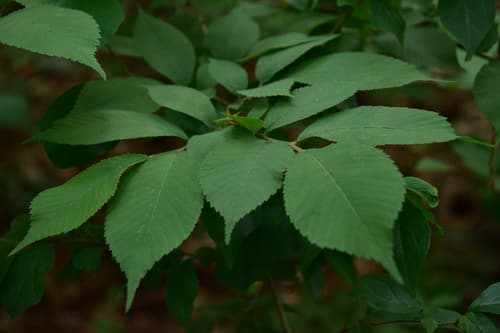
Chenmou Elm
NameChenmou Elm
Scientific NameUlmus chenmoui
Common NamesChenmou Elm, Smoothleaf Elm
Plant FamilyUlmaceae
Natural HabitatNative to central China, this tree is found in mixed forests, along riverbanks, and on mountain slopes, preferring moist, well-drained soils.
Parts Usedbark,leaf
Medicinal Actionsdemulcent, anti-inflammatory, astringent, antioxidant
Traditional UsesWhile specific traditional uses for Ulmus chenmoui are less documented than for other elm species, the bark, rich in mucilage, would likely be used for soothing irritated mucous membranes, treating digestive complaints like diarrhea, and as a topical application for wounds and skin inflammations, similar to other elms in traditional Chinese medicine.
Active Constituentsmucilage, tannins, flavonoids, triterpenes
Preparation Methodsinfusion, decoction, powder, poultice
Contraindications & WarningsGenerally considered safe, but the high mucilage content may slow the absorption of other medications if taken concurrently. It is advisable to take elm preparations a few hours apart from other drugs.
Cultivation NotesPrefers moist, well-drained soils and full sun to partial shade. It is a relatively fast-growing tree, but its cultivation is challenged by its rarity and susceptibility to Dutch Elm Disease, though some Chinese elms show resistance.
Rarityrare
Description
Ulmus chenmoui is a deciduous tree native to central China, characterized by its ovate to elliptic leaves with serrated margins and an often asymmetrical base. It typically grows into a medium to large tree, valued for its timber and ornamental qualities.