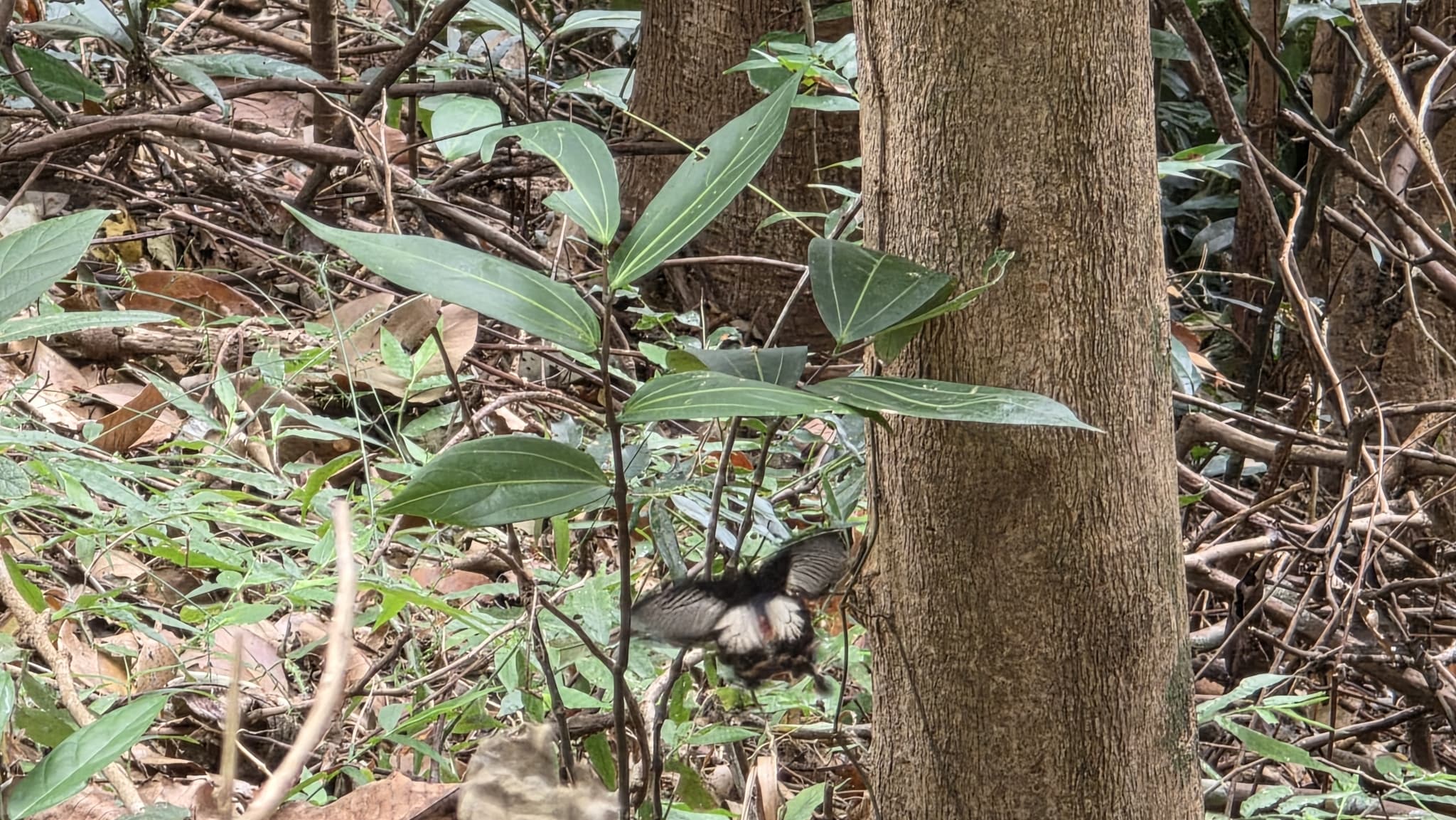
Indian Laurel
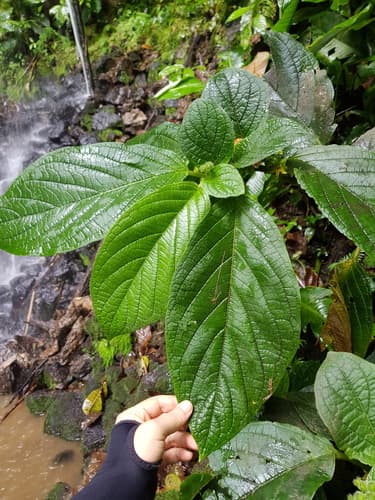
Image: Ronith Urs (cc-by)
NameIndian Laurel
Scientific NameLitsea glutinosa
Common NamesIndian Laurel, Pond Spice, Bolong-eta
Plant FamilyLauraceae
Natural HabitatFound in tropical and subtropical regions of Asia and Australia, often in secondary forests, open woodlands, and along riverbanks. It thrives in moist, warm climates.
Parts Usedbark,leaf,root
Medicinal Actionsanti-inflammatory, antimicrobial, demulcent, analgesic, astringent
Traditional UsesTraditionally used for treating sprains, bruises, and general pain. It is also employed for digestive issues like diarrhea and dysentery, and as a demulcent for soothing coughs and colds. The mucilaginous bark is often applied externally in poultices for wounds and fractures.
Active Constituentsalkaloids, flavonoids, tannins, essential oils (e.g., borneol, camphor)
Preparation Methodsdecoction, poultice, powder
Contraindications & WarningsLimited specific contraindications are known. As with any herbal remedy, caution is advised, especially for pregnant or breastfeeding women, and individuals with pre-existing medical conditions or those taking other medications. Consult a healthcare professional before use.
Cultivation NotesPrefers moist, well-drained soil and can tolerate full sun to partial shade. It is adaptable to various soil types and can be propagated by seeds or cuttings. Requires a warm, humid environment to flourish.
Raritycommon
Description
A medium-sized evergreen tree or shrub, typically growing 3-15 meters tall, characterized by alternate, simple, ovate to elliptic leaves with prominent venation. It produces small yellowish flowers and small black fruits. The leaves and bark are often mucilaginous.