Safflower
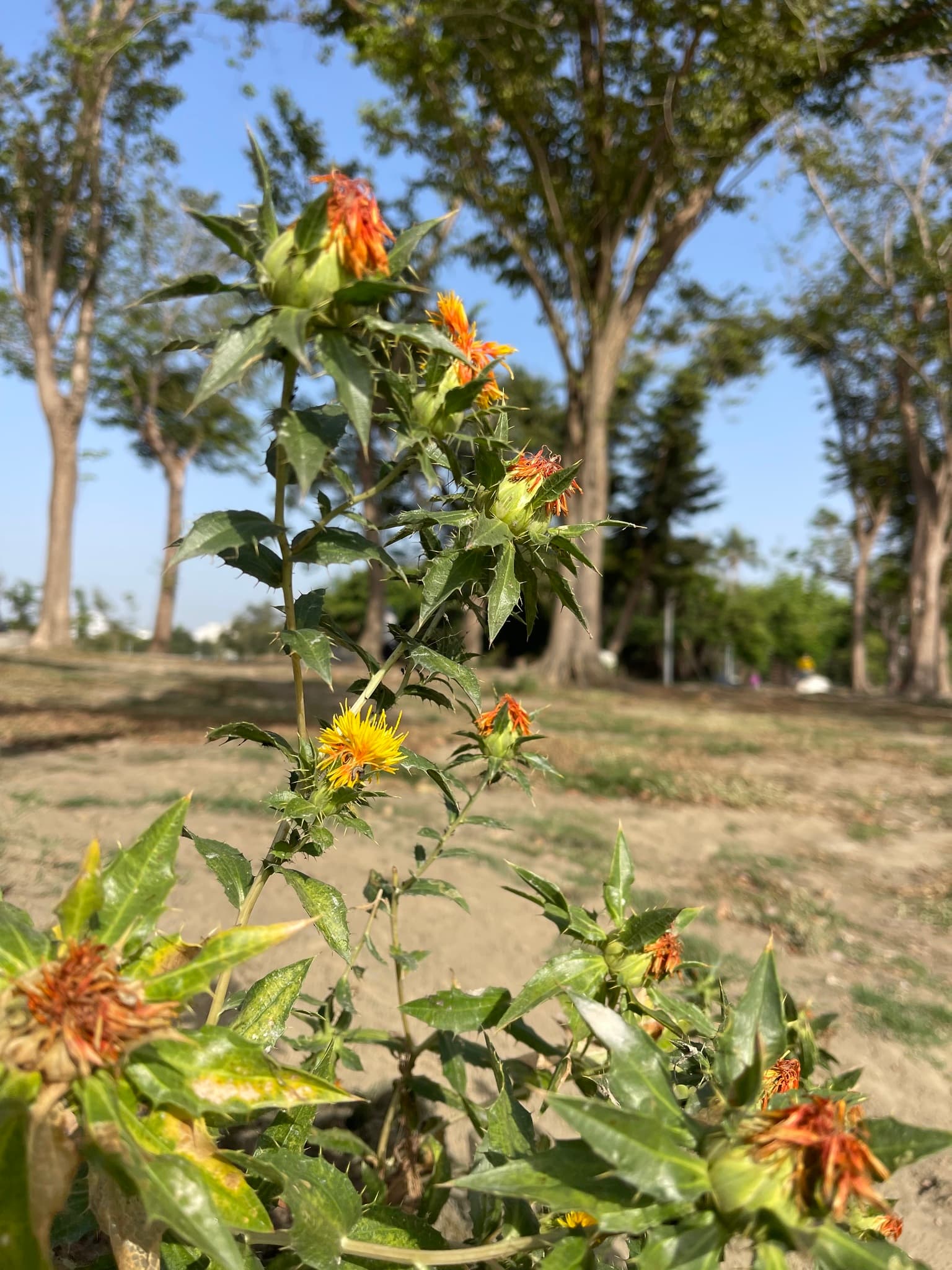
Image: CliffChen (cc-by-nc)
NameSafflower
Scientific NameCarthamus tinctorius
Common NamesSafflower, False Saffron, Dyer's Saffron, American Saffron
Plant FamilyAsteraceae
Natural HabitatNative to arid and semi-arid regions of the Middle East, India, and parts of Africa. It is now widely cultivated globally in temperate and tropical climates as an oilseed and dye crop.
Parts Usedflower,seed
Medicinal Actionsanalgesic, anti-inflammatory, antioxidant, diuretic
Traditional UsesTraditionally, safflower flowers are used in Chinese medicine to invigorate blood, dispel blood stasis, and alleviate pain, particularly for menstrual irregularities, postpartum pain, and traumatic injuries. The oil extracted from the seeds is consumed to support cardiovascular health and help lower cholesterol levels.
Active ConstituentsCarthamin, Safflor yellow, Flavonoids, Lignans, Linoleic acid, Oleic acid
Preparation Methodsinfusion, powder
Contraindications & WarningsSafflower should be avoided during pregnancy due to its blood-invigorating properties, which may induce uterine contractions. Use with caution in individuals with bleeding disorders or those taking anticoagulant medications.
Cultivation NotesPrefers full sun and well-drained soil. It is drought-tolerant once established and can grow in a variety of soil types, including poor soils. Plant seeds in spring after the last frost.
Raritycommon
Description
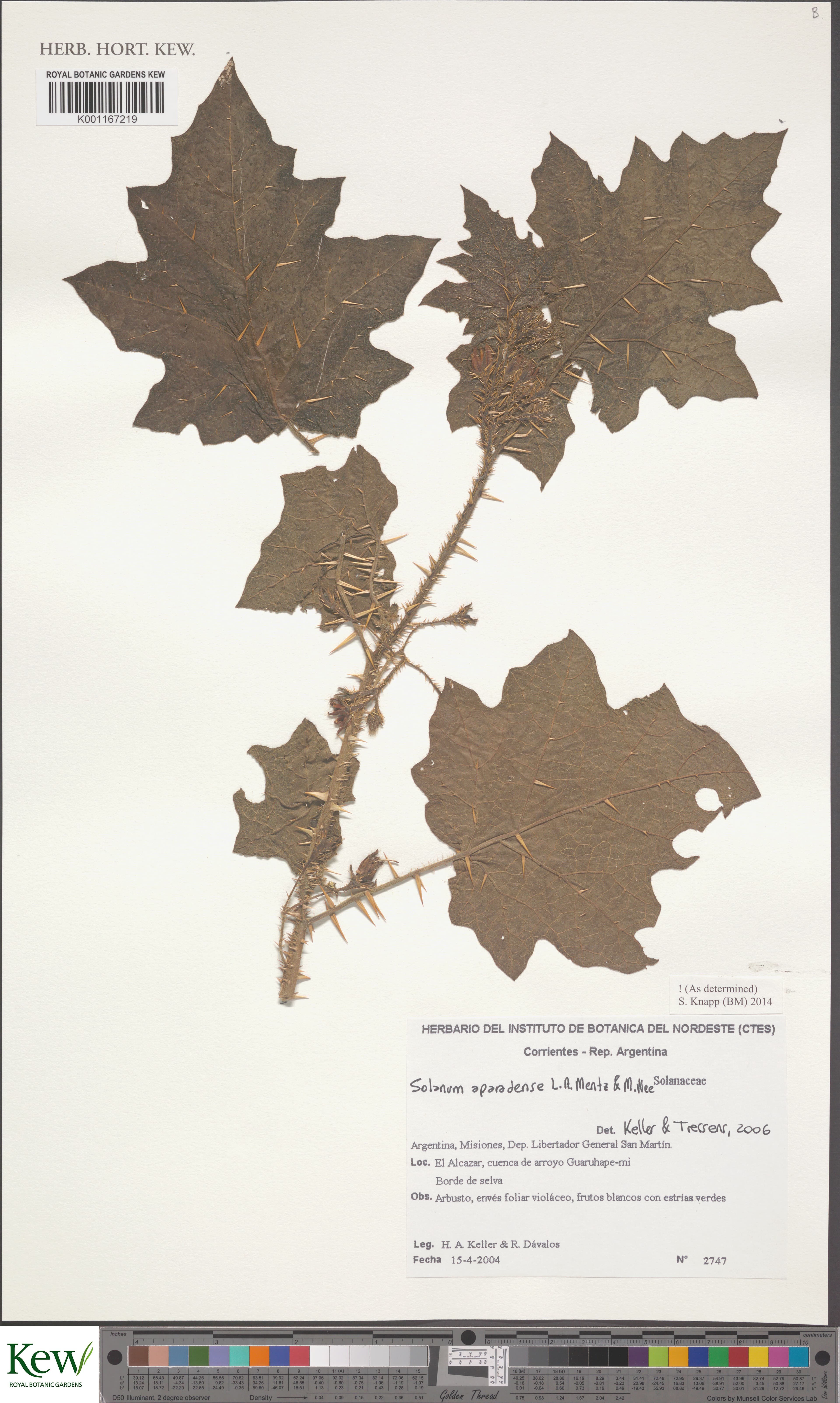
Safflower is a thistle-like annual plant growing 30-150 cm tall, characterized by spiny leaves and vibrant yellow, orange, or red flower heads. It is cultivated primarily for its oil-rich seeds and its flowers, which are used as a dye and in traditional medicine.