Ipomoea consimilis
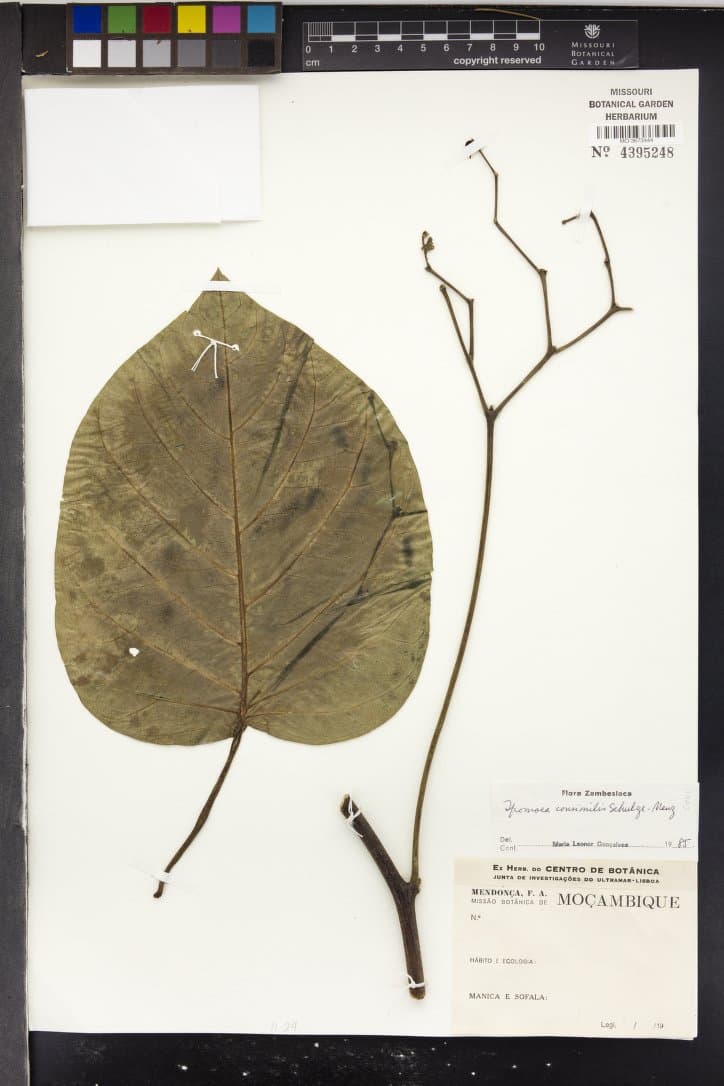
Image: MBG (cc-by-nc)
NameIpomoea consimilis
Scientific NameIpomoea consimilis Schulze-Menz
Plant FamilyConvolvulaceae
Natural HabitatNative to tropical and subtropical regions of Africa, specifically documented in Mozambique within the Flora Zambesiaca region, likely found in woodlands or savannas.
Parts Usedleaf,root
Medicinal Actionsanti-inflammatory, antimicrobial, nervine
Traditional UsesWhile specific traditional uses for Ipomoea consimilis are not widely documented, other species within the Ipomoea genus are traditionally used for their purgative properties, to treat skin conditions, reduce inflammation, and for their effects on the nervous system, potentially offering calming or sedative benefits.
Active Constituentsresin glycosides, alkaloids
Preparation Methodsinfusion, decoction, tincture, poultice, powder
Contraindications & WarningsAs with many Ipomoea species, caution is advised due to potential purgative effects and the presence of alkaloids. Contraindications may include pregnancy, breastfeeding, gastrointestinal disorders, and interactions with central nervous system depressants.
Cultivation NotesTypically thrives in warm, tropical to subtropical climates with full sun exposure and well-drained soil. Many Ipomoea species are fast-growing and may require support if they are climbing vines.
Rarityuncommon
Description
Ipomoea consimilis is a species characterized by large, broadly ovate to cordate leaves with prominent venation. It exhibits a woody or semi-woody stem structure, suggesting it may be a climbing vine or sprawling shrub.