Dancing Swordtail
NameDancing Swordtail
Scientific NameSaltatrix ensiformis
Common NamesDancing Swordtail, Forest Dancer Herb, Blue-leaf Balm
Plant FamilyLamiaceae
Natural HabitatIndigenous to the humid understory of tropical rainforests, particularly thriving in dappled sunlight along stream banks and forest clearings with rich, moist soil.
Parts Usedleaf,flower,root
Medicinal Actionsanti-inflammatory, analgesic, nervine, antimicrobial
Traditional UsesTraditionally employed by local healers for its soothing properties. Infusions of the leaves are consumed to alleviate headaches and muscle pain, while poultices made from crushed leaves are applied topically to reduce inflammation and aid in wound healing. The root is sometimes used in decoctions for its calming effects.
Active Constituentsflavonoids, alkaloids, volatile oils, tannins
Preparation Methodsinfusion, poultice, tincture, decoction
Contraindications & WarningsDue to limited research, use is not advised for pregnant or breastfeeding individuals. May potentiate the effects of sedative medications.
Cultivation NotesPrefers consistently moist, well-drained, humus-rich soil in partial to full shade. Requires high humidity and protection from direct, harsh sunlight. Can be propagated from seed or by division of rhizomes.
Rarityuncommon
Description
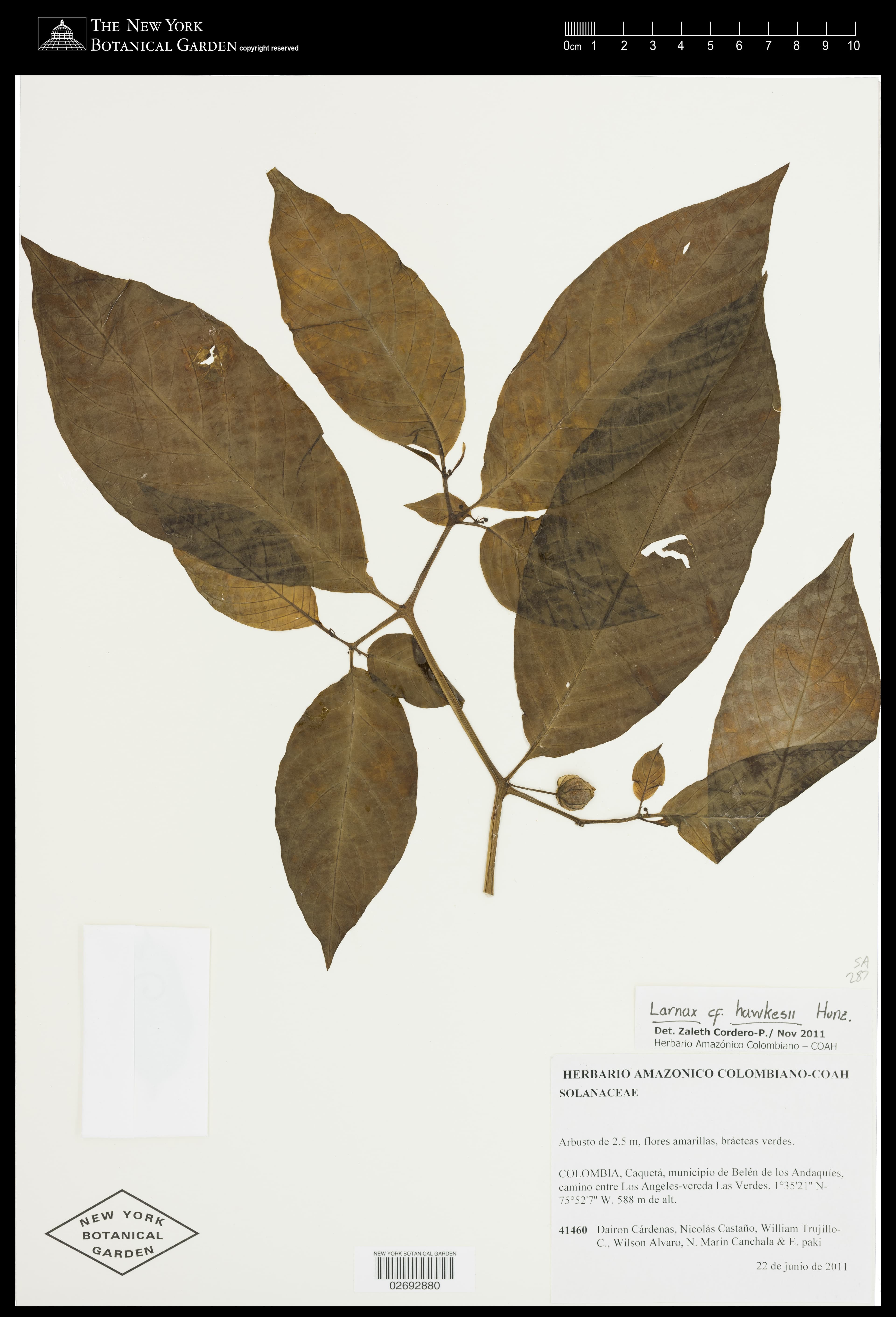
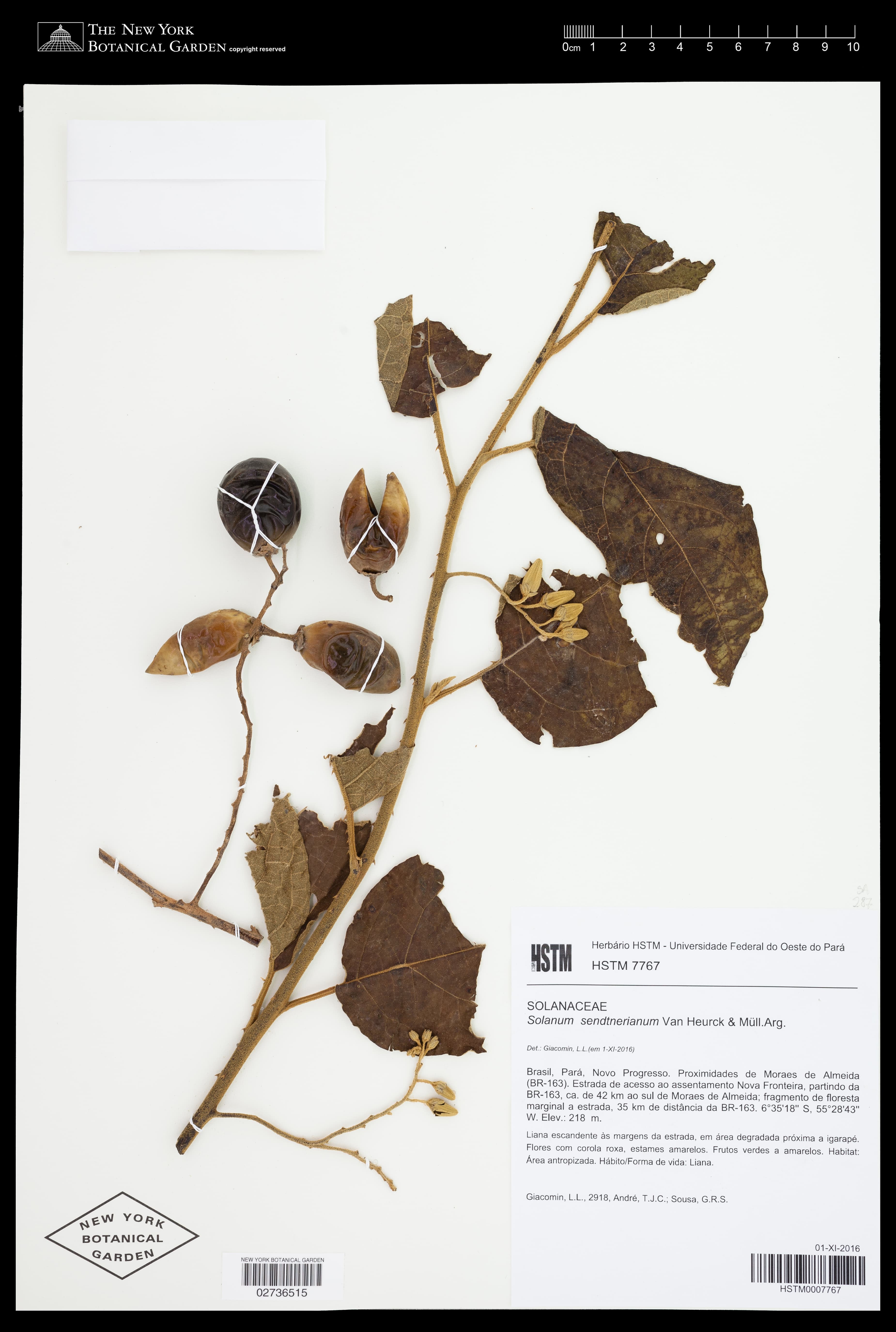
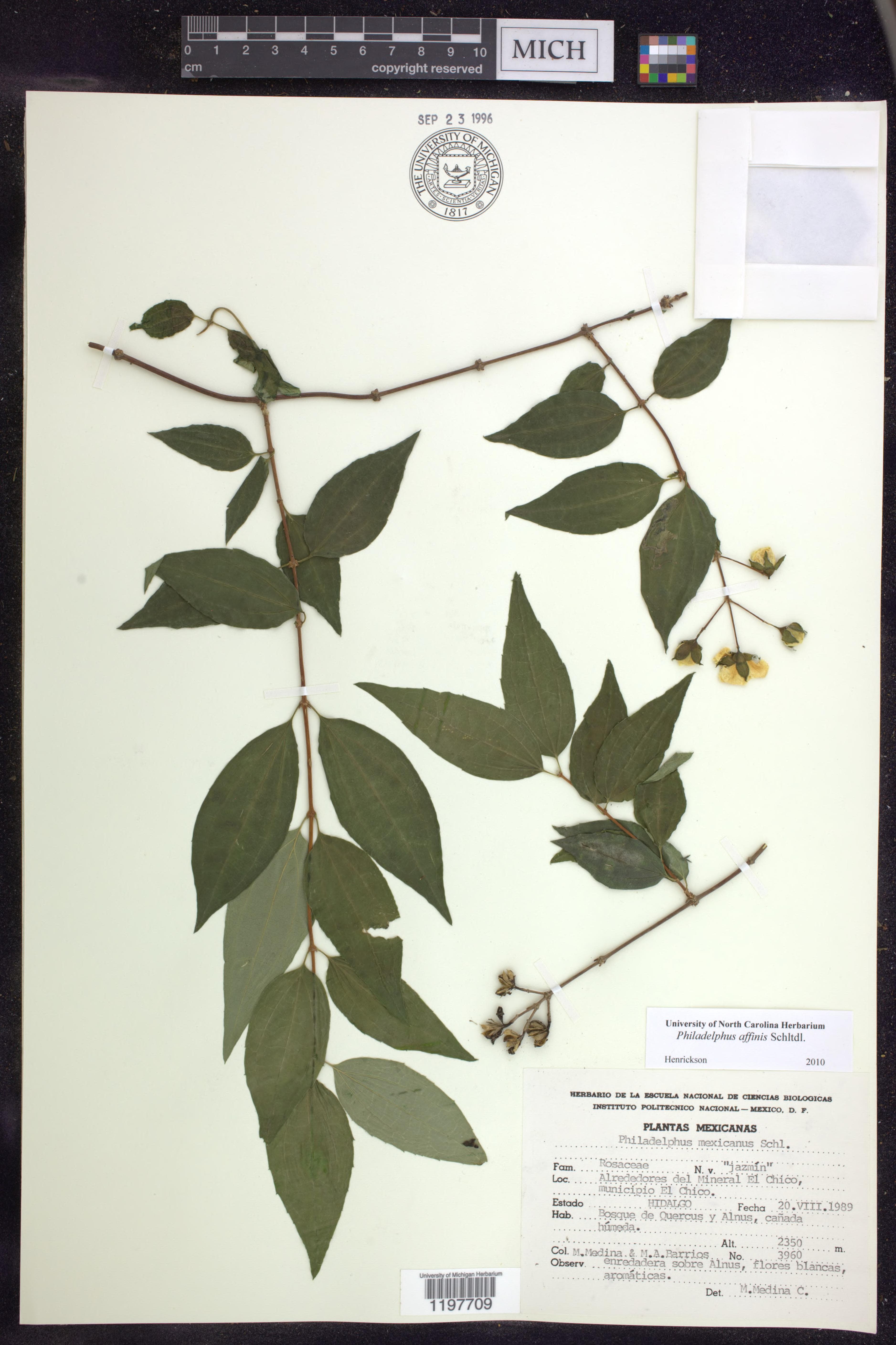
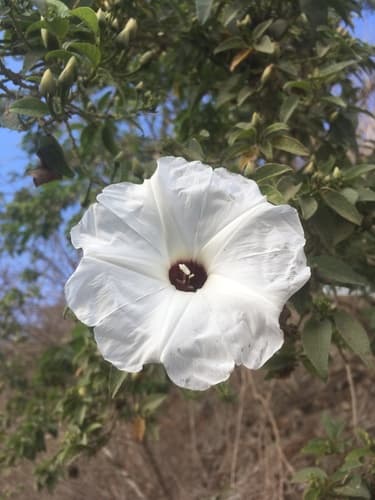
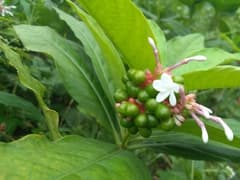
A graceful perennial herb characterized by its striking, elongated, sword-shaped leaves that display a shimmering blue-green hue, appearing to sway even in still air. It produces small, delicate white to pale blue flowers arranged in terminal spikes during the wet season.