Cuscuta rugosiceps
NameCuscuta rugosiceps
Scientific NameCuscuta rugosiceps
Common NamesDodder, Love Vine, Strangleweed
Plant FamilyConvolvulaceae
Natural HabitatAs an obligate parasite, it thrives in diverse habitats where suitable host plants are abundant, including disturbed areas, fields, roadsides, and gardens, attaching to a wide range of herbaceous and woody species.
Parts Usedwhole_plant,seed
Medicinal Actionsadaptogen, anti-inflammatory, antioxidant
Traditional UsesTraditionally, Cuscuta species are used as a tonic for the liver and kidneys, to improve vision, strengthen bones, and address issues like impotence and premature ejaculation. It is also employed for urinary problems, diarrhea, and certain skin conditions in various traditional medicine systems.
Active ConstituentsFlavonoids, Lignans, Polysaccharides, Coumarins
Preparation Methodsinfusion, decoction, powder, tincture
Contraindications & WarningsNot recommended during pregnancy or lactation due to insufficient research. May interact with medications affecting hormones or blood sugar. Large quantities can be toxic to livestock.
Cultivation NotesCuscuta rugosiceps is an obligate parasitic plant that cannot be cultivated independently. It requires a living host plant to germinate, grow, and complete its life cycle, making traditional cultivation methods inapplicable.
Raritycommon
Description
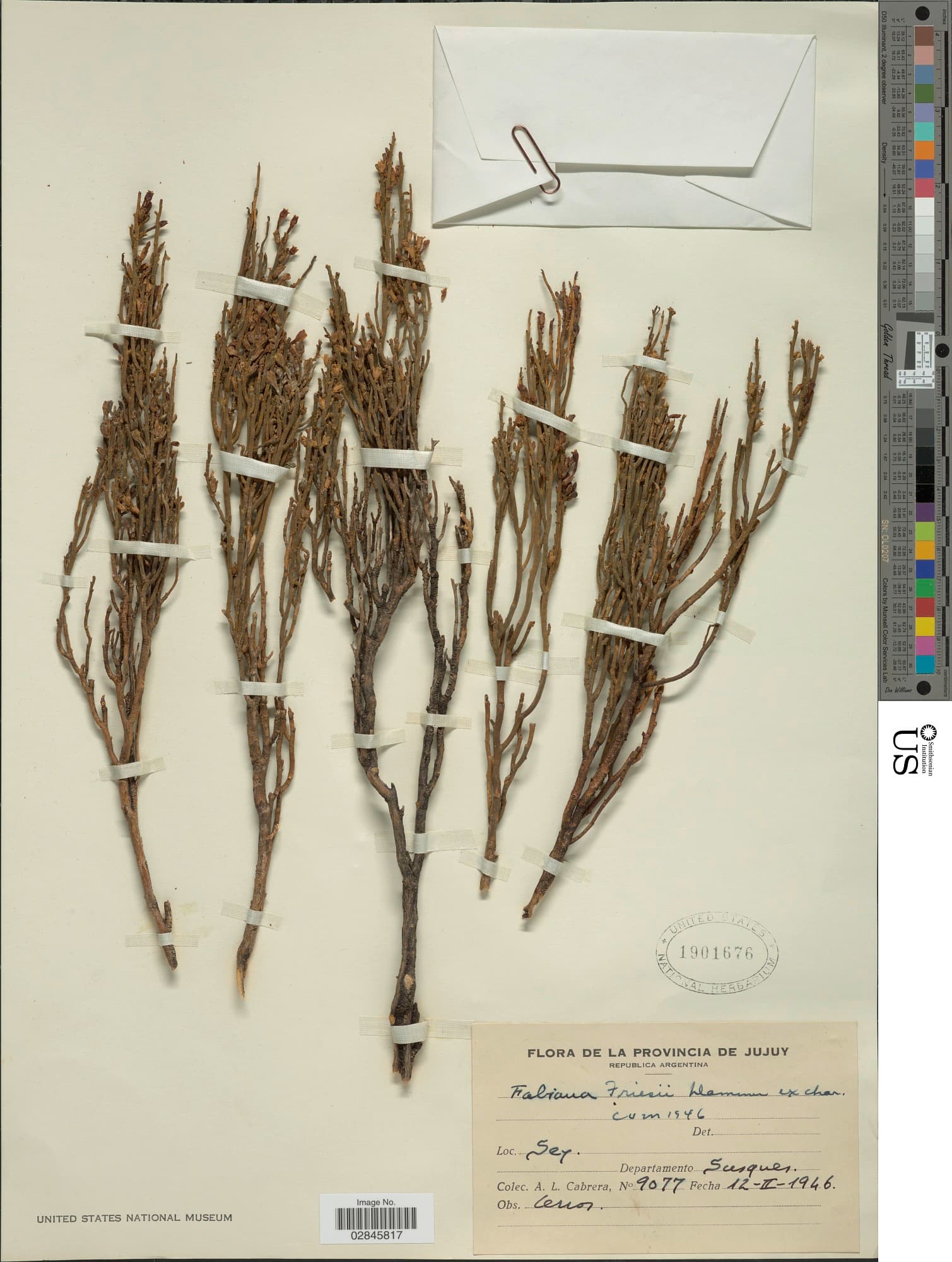
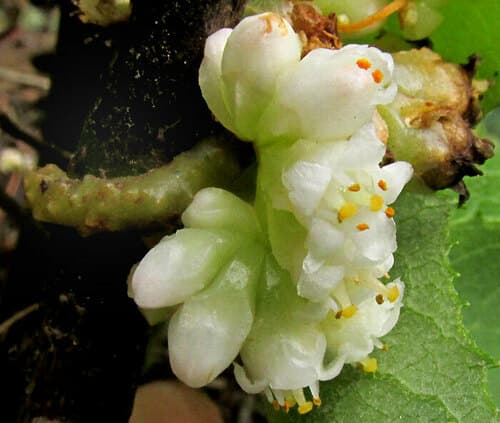
Cuscuta rugosiceps is a parasitic annual vine, characterized by its slender, leafless, yellowish-orange stems that twine around host plants. It produces small, clustered, white to cream-colored, bell-shaped flowers with prominent orange anthers, as seen in the image.