Physalis chenopodiifolia
NamePhysalis chenopodiifolia
Scientific NamePhysalis chenopodiifolia
Common NamesGooseberry Groundcherry, Chenopodium-leaved Groundcherry
Plant FamilySolanaceae
Natural HabitatNative to parts of North and South America, it commonly grows in disturbed areas such as fields, roadsides, waste grounds, and open woodlands. It prefers sunny locations with well-drained soil.
Parts Usedleaf,fruit
Medicinal Actionsanti-inflammatory, antioxidant, diuretic
Traditional UsesTraditionally, various Physalis species, including closely related ones, have been used for their anti-inflammatory and diuretic properties. The ripe fruits are often consumed for their nutritional value and are sometimes used to address urinary issues or as a general tonic. Leaves may be used in topical applications for inflammation.
Active ConstituentsPhysalins, Flavonoids, Carotenoids, Vitamin C, Phenolic compounds
Preparation Methodsinfusion, decoction, powder
Contraindications & WarningsUnripe fruits of Physalis species can contain solanine-like alkaloids and should not be consumed. Ripe fruits are generally considered safe. Pregnant or breastfeeding individuals should consult a healthcare professional before medicinal use.
Cultivation NotesThis plant thrives in full sun and well-drained soil, tolerating a range of soil types but preferring fertile conditions. It can be grown from seed and is generally frost-sensitive, often cultivated as an annual in temperate climates.
Raritycommon
Description
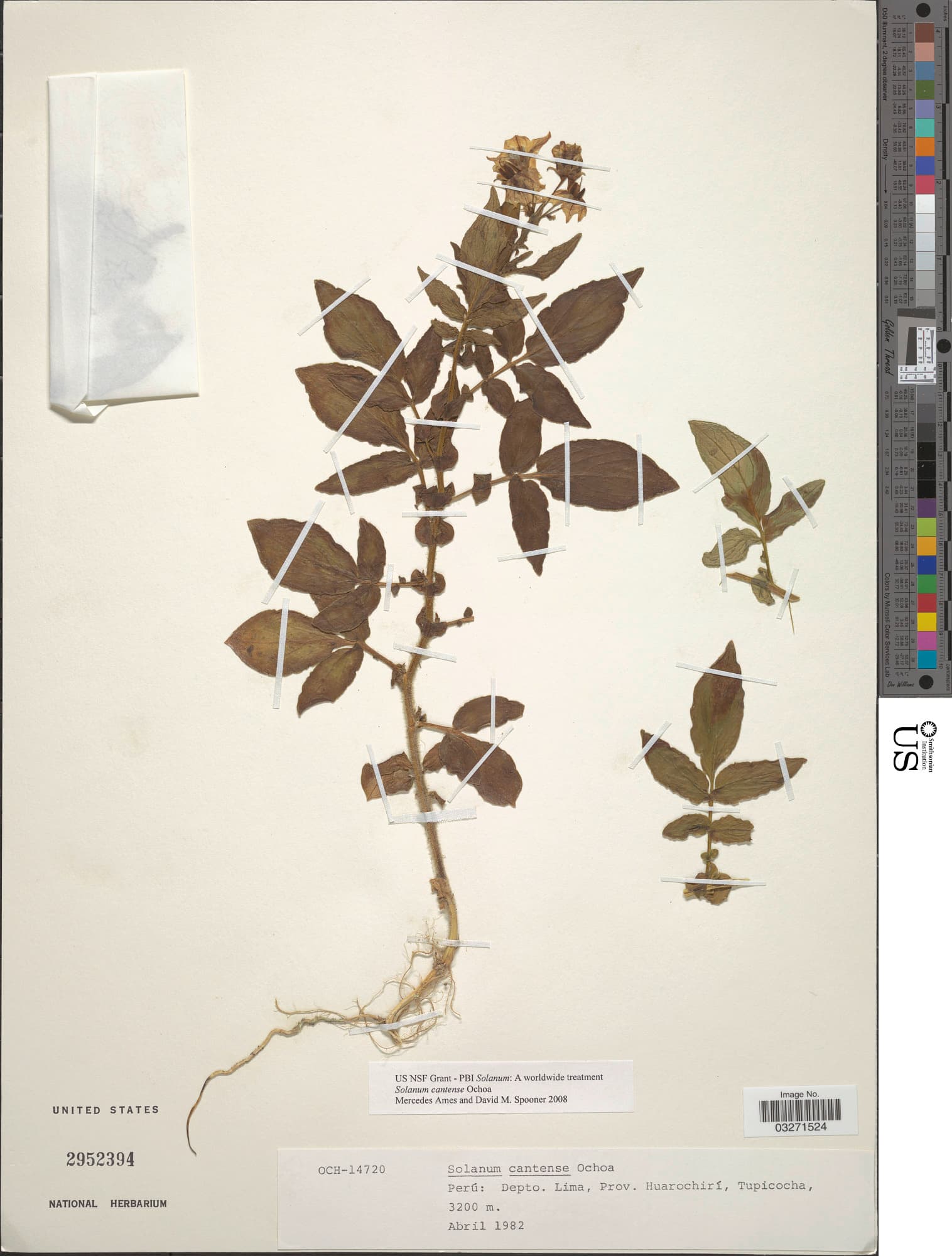
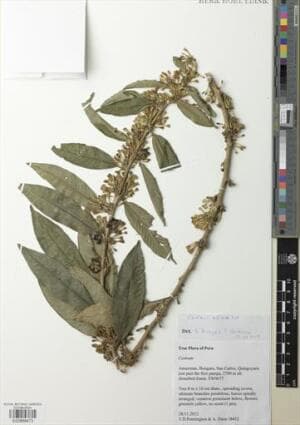
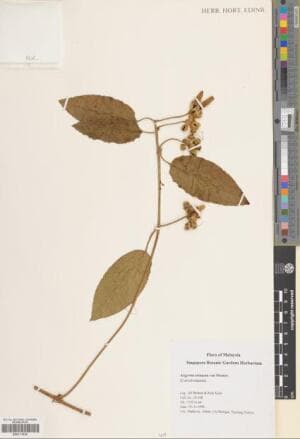
An herbaceous plant characterized by solitary, axillary yellow flowers with five distinct dark purple-brown spots at the base of the corolla lobes, as seen in the image. Its leaves are typically ovate to lanceolate, often with wavy or toothed margins and a pubescent (hairy) texture. The plant produces a berry enclosed within an accrescent, papery calyx.