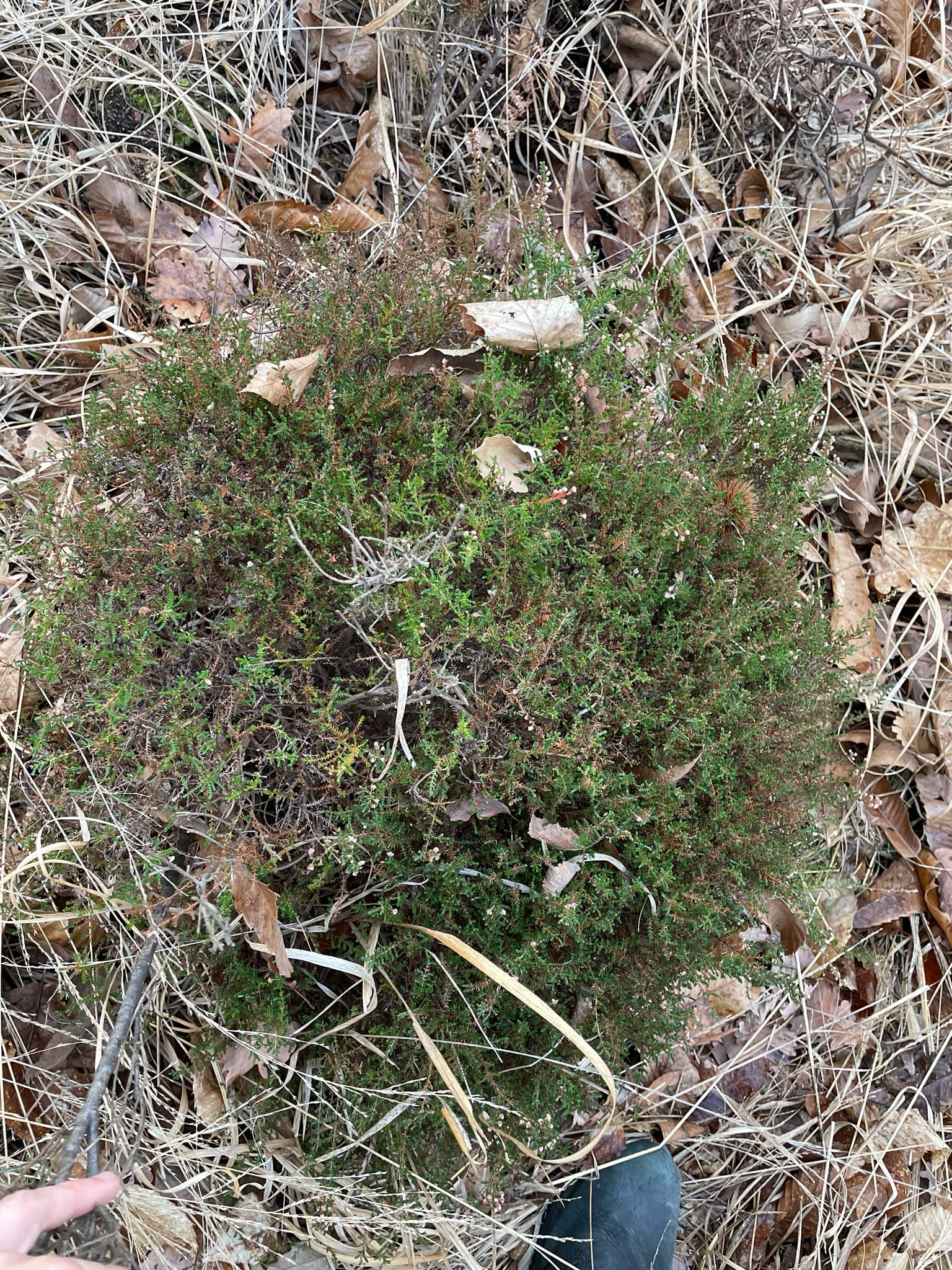
Heather
Image: Vittorio Bellotto (cc-by-nc)
NameHeather
Scientific NameCalluna vulgaris
Common NamesHeather, Ling, Scotch Heather
Plant FamilyEricaceae
Natural HabitatNative to Europe, Asia Minor, and parts of North Africa, Heather thrives in acidic, nutrient-poor soils found in open moorlands, heathlands, woodlands, and bogs. It is highly tolerant of exposed, windy conditions.
Parts Usedflower,leaf,whole_plant
Medicinal Actionsdiuretic, astringent, antimicrobial, anti-inflammatory
Traditional UsesTraditionally, Heather has been used as a diuretic and urinary antiseptic, particularly for conditions like cystitis, kidney stones, and other urinary tract infections. It has also been employed for rheumatism, gout, and as a mild sedative. Externally, it was sometimes used for skin ailments.
Active Constituentsflavonoids, arbutin, tannins, phenolic acids
Preparation Methodsinfusion, decoction, tincture, powder
Contraindications & WarningsGenerally considered safe, but large doses may cause mild stomach upset. Individuals with known allergies to plants in the Ericaceae family should exercise caution. Consult a healthcare professional if pregnant, breastfeeding, or taking medications.
Cultivation NotesHeather prefers full sun to partial shade and requires well-drained, acidic soil. It is drought-tolerant once established and benefits from pruning after flowering to maintain shape and encourage new growth. It is hardy and relatively low-maintenance.
Raritycommon
Description
Heather is a low-growing, evergreen perennial shrub characterized by its small, scale-like leaves arranged in opposite pairs. It produces numerous tiny, bell-shaped flowers, typically purple-pink, that bloom profusely in late summer and early autumn, often dominating moorland landscapes.