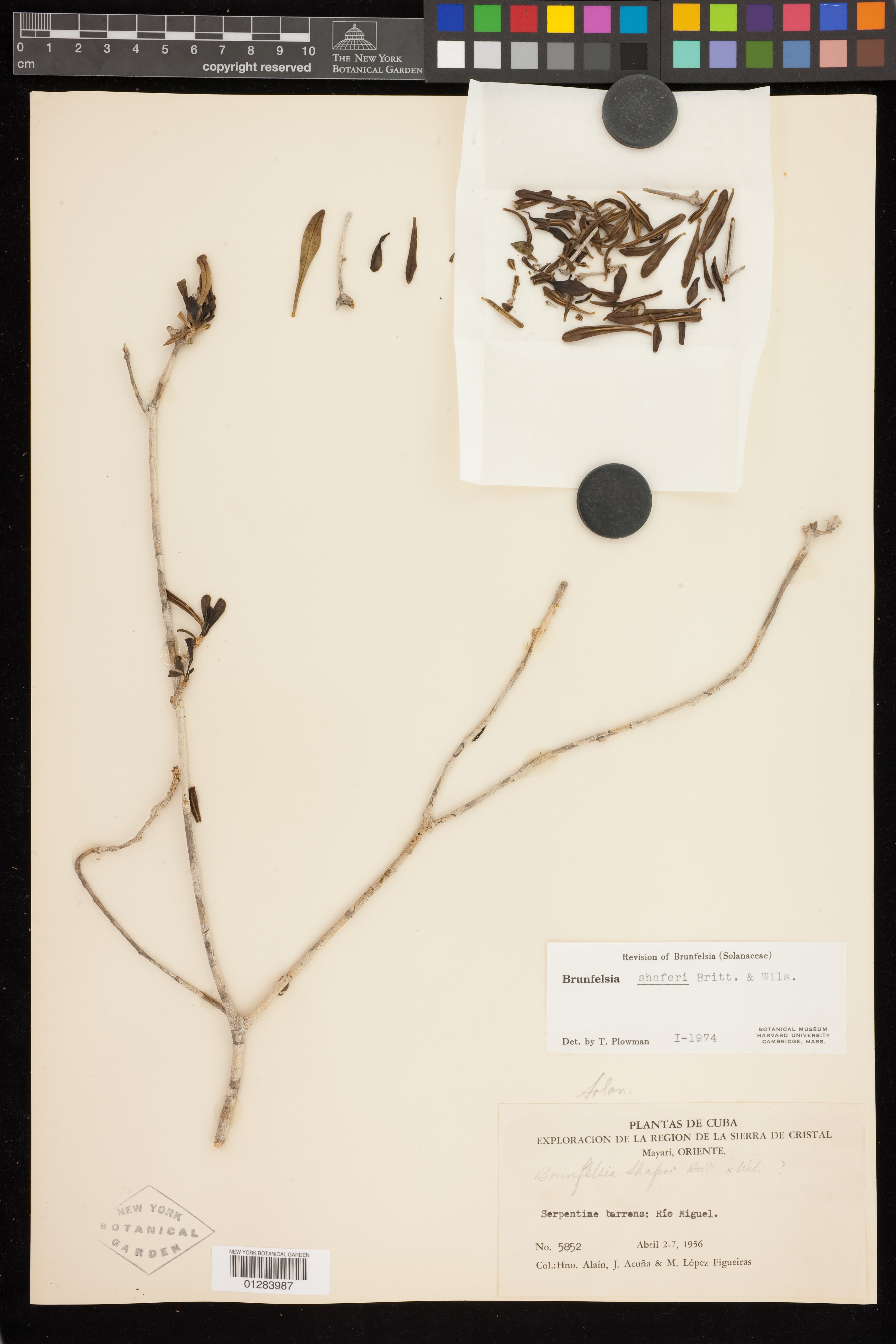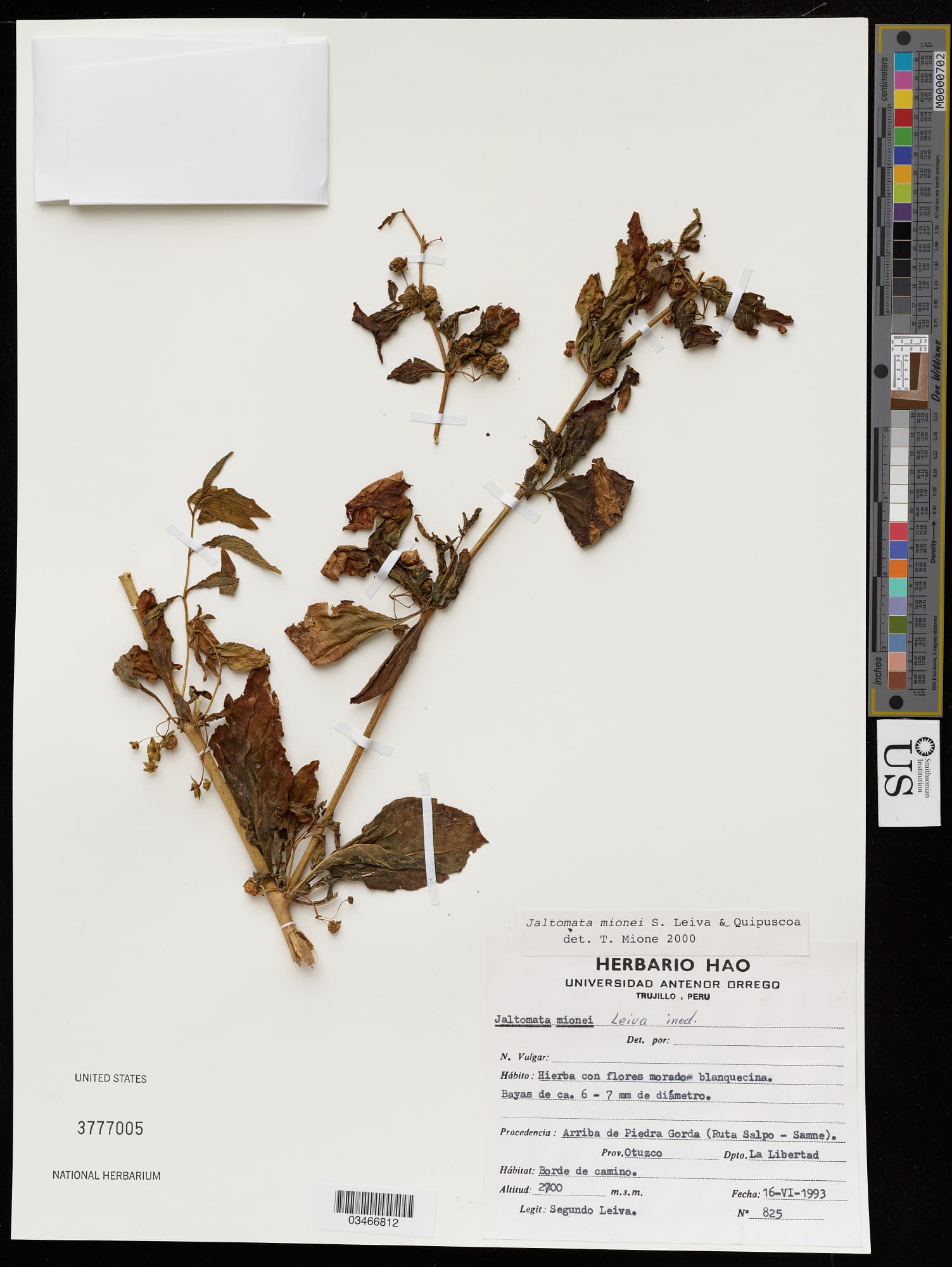
Desert Wolfberry
NameDesert Wolfberry
Scientific NameLycium minimum
Common NamesSmall-leaved Lycium, Desert Wolfberry, Baja Boxthorn
Plant FamilySolanaceae
Natural HabitatNative to arid and semi-arid regions of the southwestern United States (e.g., Arizona, California, Nevada, Utah) and northern Mexico. It thrives in desert washes, rocky slopes, and sandy flats.
Parts Usedfruit,leaf,root
Medicinal Actionsadaptogen, antioxidant, anti-inflammatory
Traditional UsesWhile less studied than other Lycium species, the berries of Lycium minimum are traditionally consumed as food by indigenous peoples. Other Lycium species are used in traditional medicine as a general tonic, for enhancing vision, supporting liver and kidney function, and boosting immunity.
Active ConstituentsPolysaccharides, Carotenoids (Zeaxanthin, Beta-carotene), Vitamins (C, A), Flavonoids
Preparation Methodsinfusion, decoction, powder
Contraindications & WarningsGenerally considered safe when consumed as food. However, large quantities may interact with anticoagulant medications (e.g., warfarin) due to potential vitamin K content, or with blood pressure and diabetes medications. Allergic reactions are possible.
Cultivation NotesThis drought-tolerant shrub prefers full sun and well-drained soil. It can be grown from seed or cuttings and requires minimal water once established, making it suitable for xeriscaping.
Raritycommon
Description
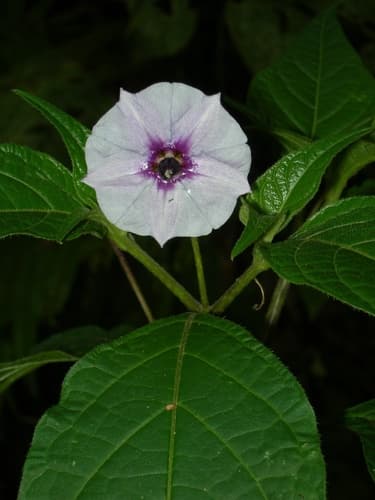
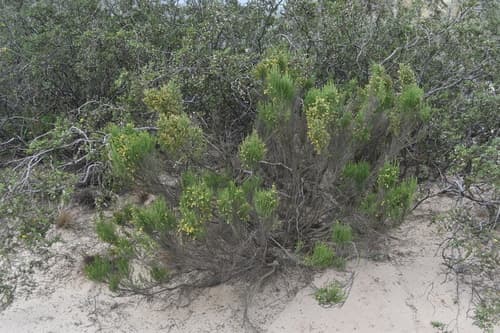
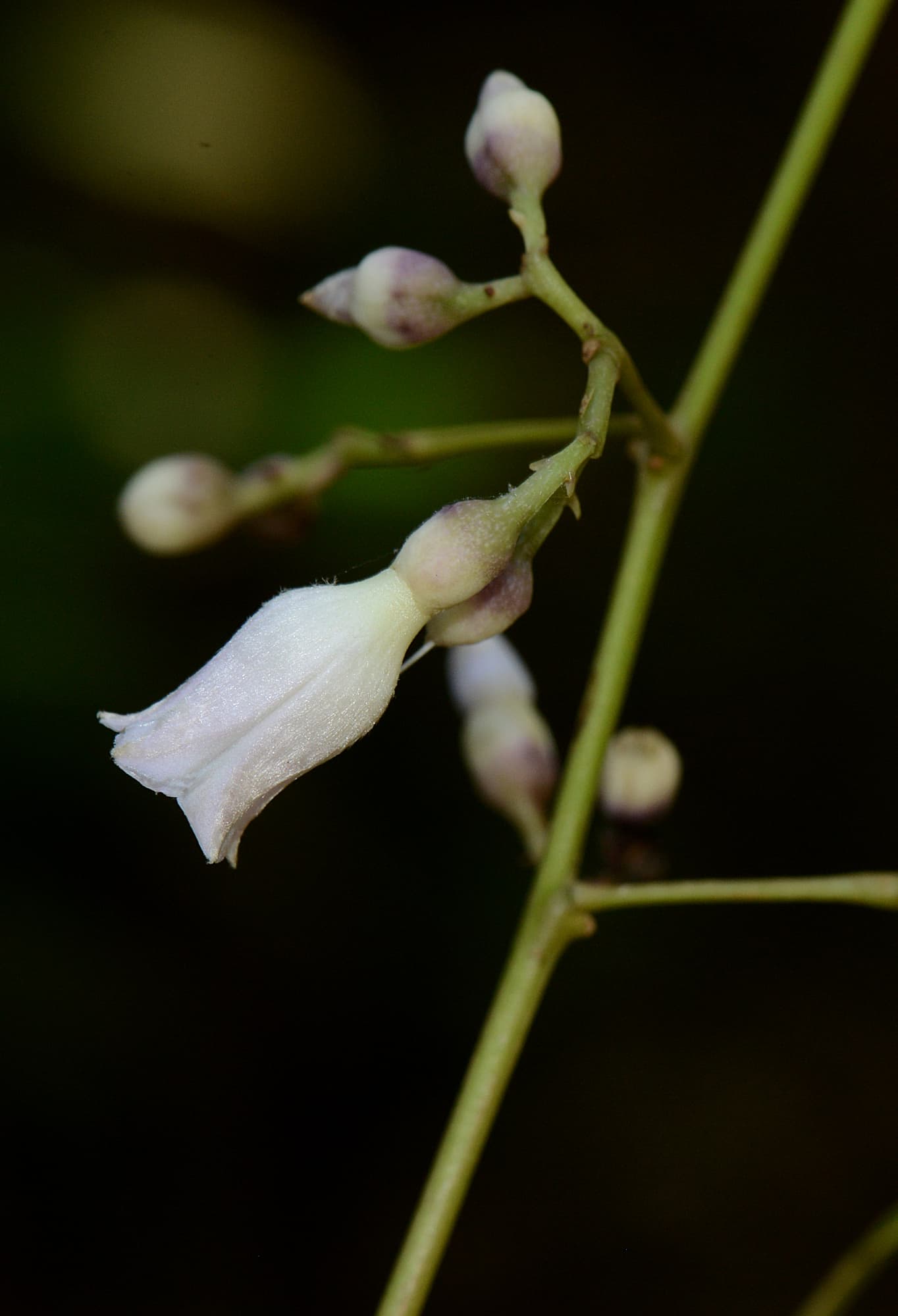
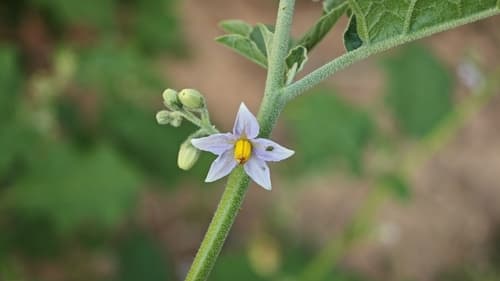
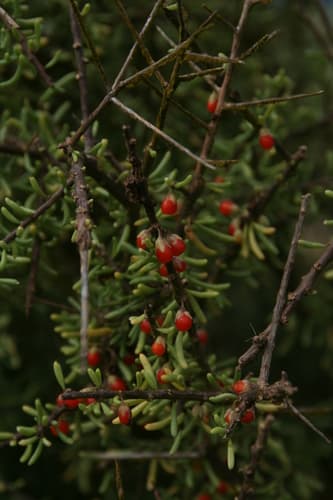
Lycium minimum is a thorny, deciduous shrub typically growing up to 1 meter tall. It features small, fleshy, linear to spatulate green leaves and produces numerous small, bright red, ovoid berries along its spiny branches.