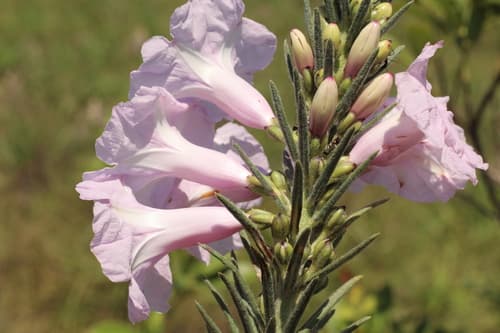
Ipomoea paulistana
NameIpomoea paulistana
Scientific NameIpomoea paulistana
Plant FamilyConvolvulaceae
Natural HabitatThis species is endemic to Brazil, primarily found within the Cerrado biome. It thrives in open fields, disturbed areas, and along forest edges, preferring tropical and subtropical climates.
Parts Usedroot,leaf
Medicinal Actionsantioxidant, anti-inflammatory
Traditional UsesWhile specific traditional medicinal uses for Ipomoea paulistana are not widely documented in accessible ethnobotanical literature, other species within the Ipomoea genus are traditionally used as purgatives, for treating various skin conditions, and for their anti-inflammatory properties. Further research is needed for specific applications of I. paulistana.
Active ConstituentsResin glycosides
Preparation Methodsdecoction, infusion, powder
Contraindications & WarningsDue to the presence of resin glycosides common in Ipomoea species, which can have purgative effects, caution is advised. It should be avoided by pregnant or nursing women, young children, and individuals with gastrointestinal disorders. Some Ipomoea species can be toxic if misused.
Cultivation NotesIpomoea paulistana prefers full sun to partial shade and well-drained soil. It is a relatively hardy plant within its native tropical and subtropical climate, tolerant of various soil types. Propagation can be achieved through seeds or stem cuttings.
Rarityuncommon
Description
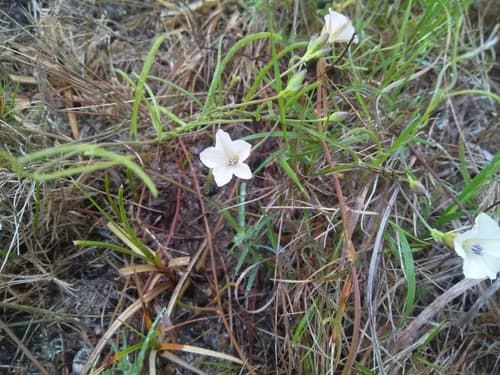
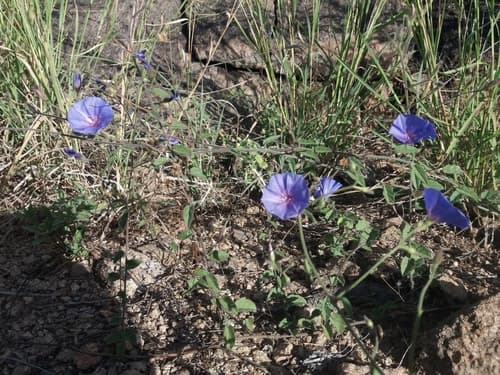
Ipomoea paulistana is a perennial herbaceous vine or subshrub native to Brazil. It is characterized by its cordate or ovate leaves and showy, funnel-shaped flowers, which typically range in color from white to pale pink or purple, embodying the classic morning glory form.