cotztomatl
Namecotztomatl
Scientific NamePhysalis philadelphica
Common NamesTomatillo, Mexican Husk Tomato, Jiltomate, Cotztomatl
Plant FamilySolanaceae
Natural HabitatNative to Mexico and Central America, it thrives in warm climates, often found in disturbed areas, fields, and gardens. It prefers full sun and well-drained soil.
Parts Usedfruit,leaf
Medicinal Actionsantioxidant, anti-inflammatory, diuretic, analgesic, antimicrobial
Traditional UsesTraditionally, the fruit and leaves of tomatillo have been used in Mexican folk medicine. The fruit is consumed for its nutritional value and believed to have diuretic properties. Leaves and husks have been used topically as a poultice for skin ailments and internally for fevers, pain, and inflammation.
Active ConstituentsPhysalins, flavonoids, phenolic acids, vitamin C, carotenoids
Preparation Methodsinfusion, poultice, powder
Contraindications & WarningsGenerally considered safe when consumed as food. However, unripe fruits and leaves contain solanine-like compounds which can be toxic in large quantities. Pregnant or breastfeeding women should exercise caution.
Cultivation NotesEasy to grow from seed in warm climates after the last frost. Requires full sun, well-drained soil, and consistent moisture. Plants benefit from staking or caging as they grow.
Raritycommon
Description
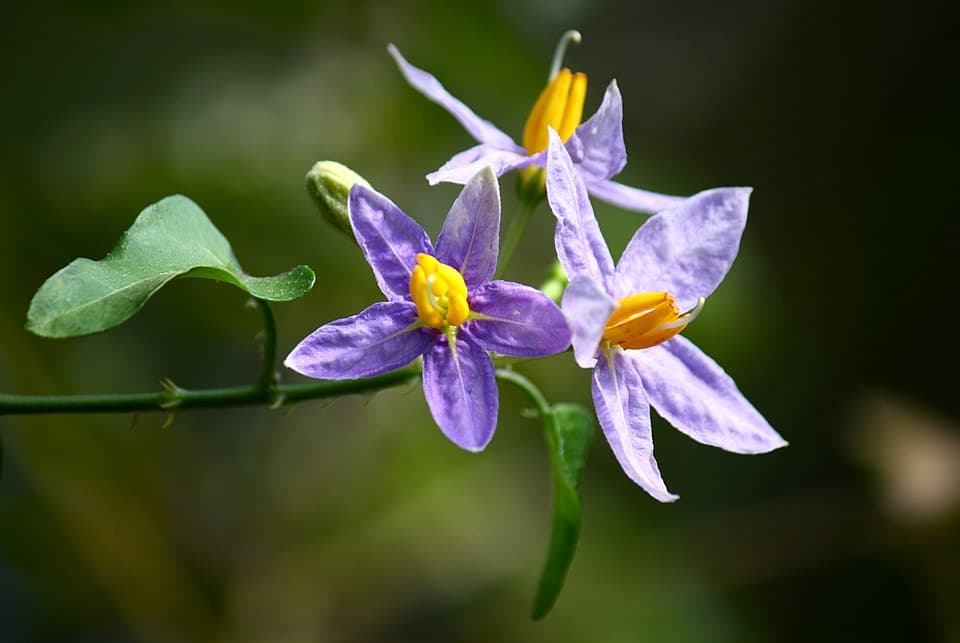
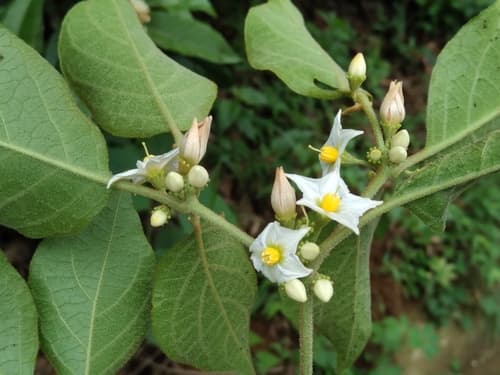
A herbaceous annual plant known for its distinctive papery husk (calyx) enclosing the fruit. It produces small, yellow, five-petaled flowers with dark purple centers, and ovate, often hairy leaves.