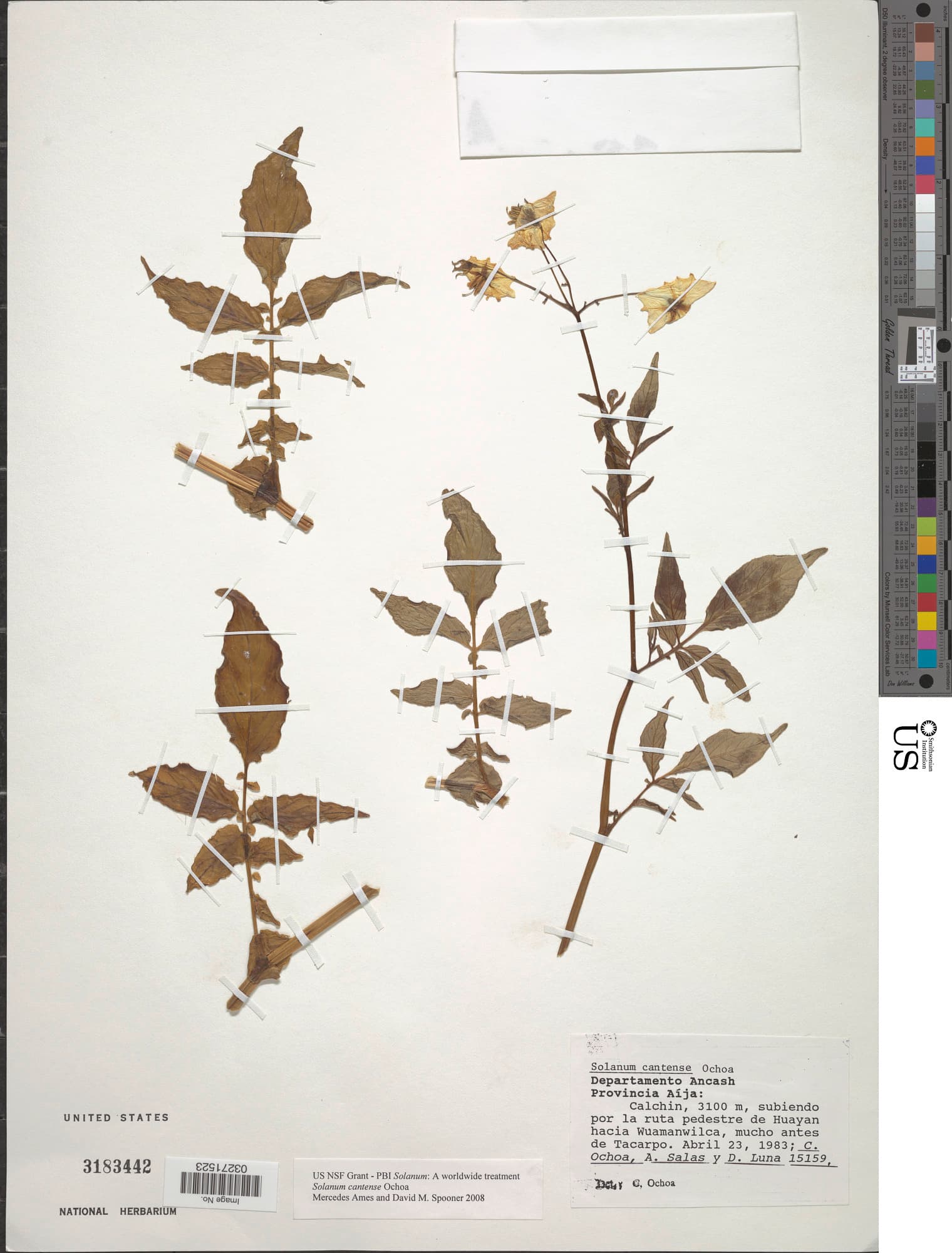
Solanum cantense
Image: Conveyor Belt (cc0)
NameSolanum cantense
Scientific NameSolanum cantense Ochoa
Common NamesWild Potato
Plant FamilySolanaceae
Natural HabitatNative to the high-altitude Andes of Peru, found in mountainous regions like Ancash at elevations around 3100 meters. It thrives in well-drained soils in its native habitat.
Parts Usedtuber,leaf,flower
Medicinal Actionsanti-inflammatory, antimicrobial, analgesic
Traditional UsesWhile specific traditional medicinal uses for Solanum cantense are not widely documented, other species within the Solanum genus, particularly wild relatives, have been traditionally employed for their anti-inflammatory, antimicrobial, and mild analgesic properties. These uses are generally attributed to the presence of glycoalkaloids, which require careful dosage due to potential toxicity, often applied topically or in carefully prepared internal remedies.
Active Constituentssteroidal glycoalkaloids
Preparation Methodsdecoction, poultice, powder
Contraindications & WarningsDue to the presence of steroidal glycoalkaloids, raw consumption of Solanum cantense can be toxic, potentially causing gastrointestinal upset and neurological symptoms. It should be used with extreme caution, if at all, and avoided by pregnant women, children, and individuals with liver or kidney conditions. Proper preparation is crucial to reduce toxicity.
Cultivation NotesAs a wild species adapted to high altitudes, Solanum cantense requires conditions similar to its native Andean habitat. It prefers well-drained soil, cool temperatures, and full sun. It is primarily cultivated for research and breeding programs rather than general horticultural or medicinal use.
Rarityuncommon
Description
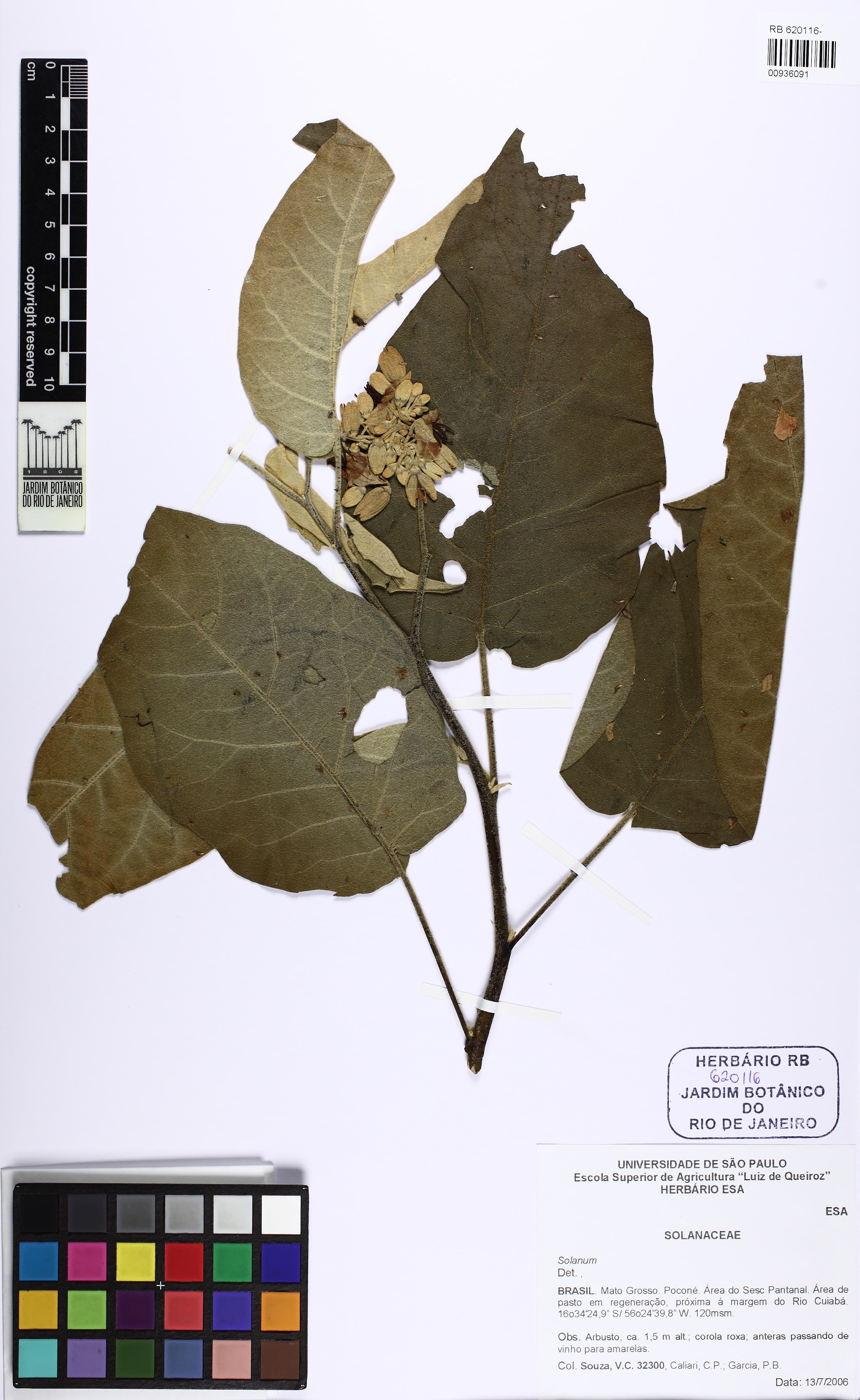
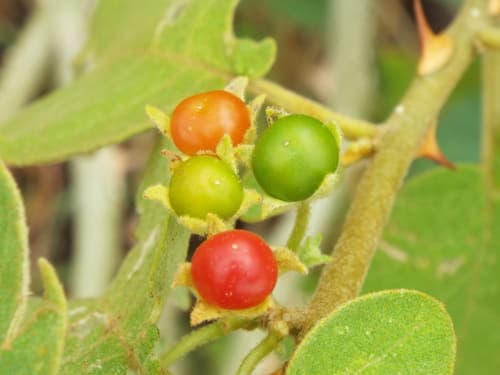
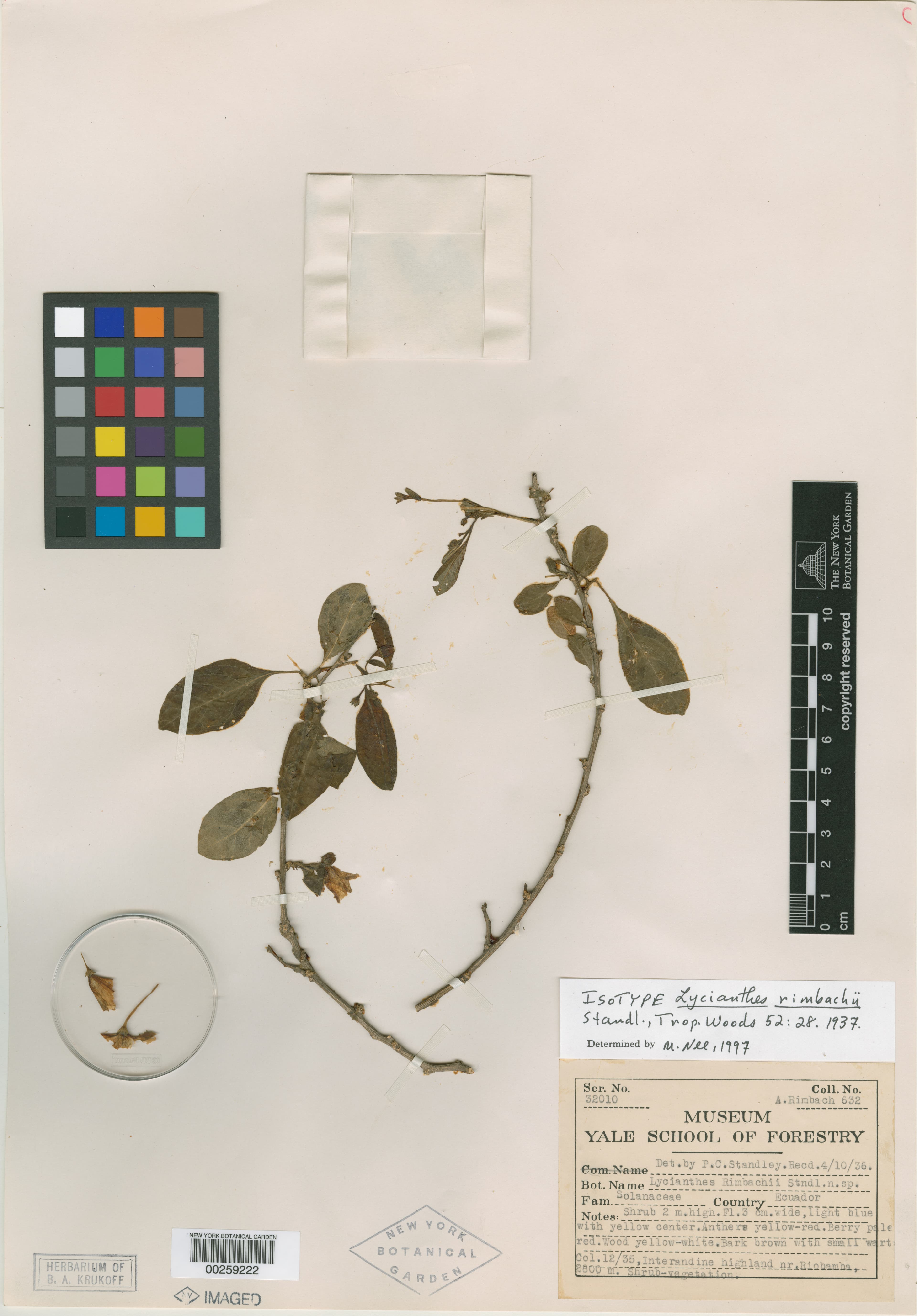
Solanum cantense is a herbaceous perennial plant, a wild relative of the cultivated potato. It is characterized by its lobed or deeply incised leaves and small flowers, typically forming tubers underground.