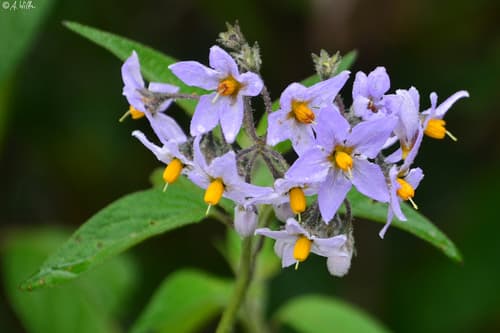
Red Poison-apple
NameRed Poison-apple
Scientific NameSolanum aculeastrum
Common NamesRed Poison-apple, Soda Apple, Goat Bitter-apple, Poison Apple
Plant FamilySolanaceae
Natural HabitatNative to sub-Saharan Africa, it thrives in grasslands, open woodlands, forest margins, and disturbed areas. It is often found along roadsides and in moist, well-drained soils, and can be an invasive species in other regions.
Parts Usedfruit,leaf,root
Medicinal Actionsanalgesic, anti-inflammatory, antimicrobial
Traditional UsesTraditionally, the fruits (often unripe, despite toxicity) have been used externally as a poultice for ringworm, fungal infections, and boils. Roots and leaves have been used in some cultures for snakebites, toothaches, and internally for coughs and colds, though internal use is highly risky due to the plant's toxicity.
Active Constituentssteroidal alkaloids, solanine, solamargine, solasonine, saponins
Preparation Methodspoultice, decoction, powder
Contraindications & WarningsALL parts of Solanum aculeastrum, especially the unripe fruits, are highly toxic and can cause severe gastrointestinal upset, neurological symptoms, and potentially death if ingested. It should be strictly avoided by pregnant and breastfeeding women, children, and individuals with liver or kidney conditions. Due to its potent alkaloids, it may interact with various medications.
Cultivation NotesThis plant prefers full sun to partial shade and well-drained soil. It is drought-tolerant once established but benefits from moderate moisture. It can be propagated by seed and is considered an invasive weed in many areas outside its native range.
Raritycommon
Description
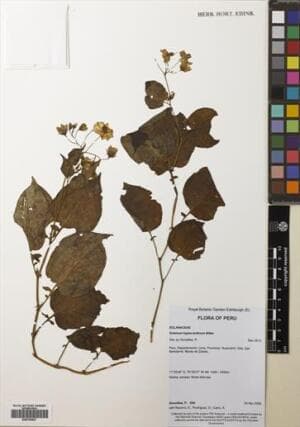
A thorny, perennial shrub or small tree, typically growing 1-5 meters tall. It features deeply lobed, spiny leaves, purple star-shaped flowers with yellow anthers, and produces small, round, orange-yellow fruits that are toxic when unripe.