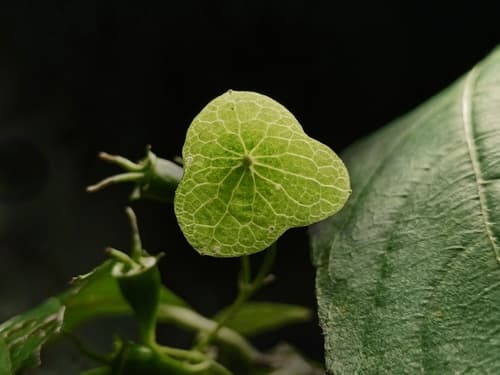
Hydrangea platyarguta
NameHydrangea platyarguta
Scientific NameHydrangea platyarguta
Plant FamilyHydrangeaceae
Natural HabitatNative to mountainous regions of central and western China, often found growing in forests and thickets.
Parts Usedroot,leaf
Medicinal Actionsdiuretic, anti-inflammatory, antimicrobial, antioxidant
Traditional UsesTraditionally, various Hydrangea species, including those related to H. platyarguta, have been used in traditional Chinese medicine for their diuretic properties, particularly in treating urinary tract infections, kidney stones, and bladder issues. It has also been applied for conditions like rheumatism and gout.
Active Constituentshydrangenol, hydrangin, saponins, flavonoids, coumarins
Preparation Methodsdecoction, infusion, tincture
Contraindications & WarningsAll parts of Hydrangea species contain cyanogenic glycosides and can be toxic if ingested in large quantities, potentially causing gastrointestinal upset (nausea, vomiting, diarrhea). It should be avoided by pregnant and breastfeeding women, and individuals with kidney disease or known allergies to the plant.
Cultivation NotesThis shrub prefers moist, well-drained, acidic to neutral soil and thrives in partial shade, though it can tolerate full sun with consistent moisture. It is hardy in temperate climates and benefits from regular watering, especially during dry periods.
Rarityuncommon
Description
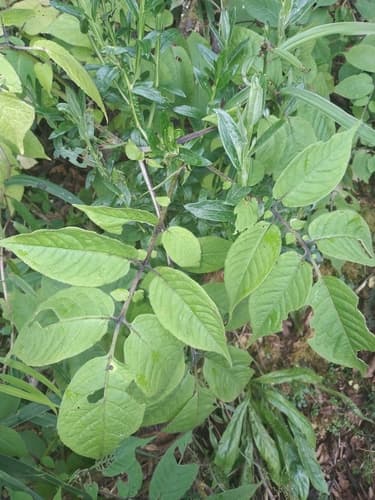
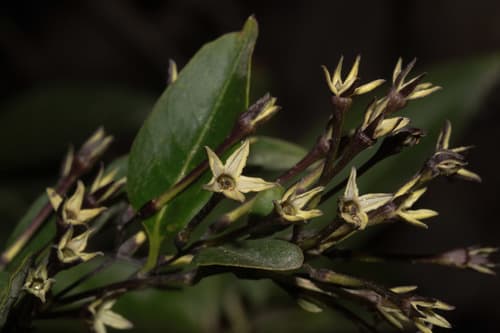
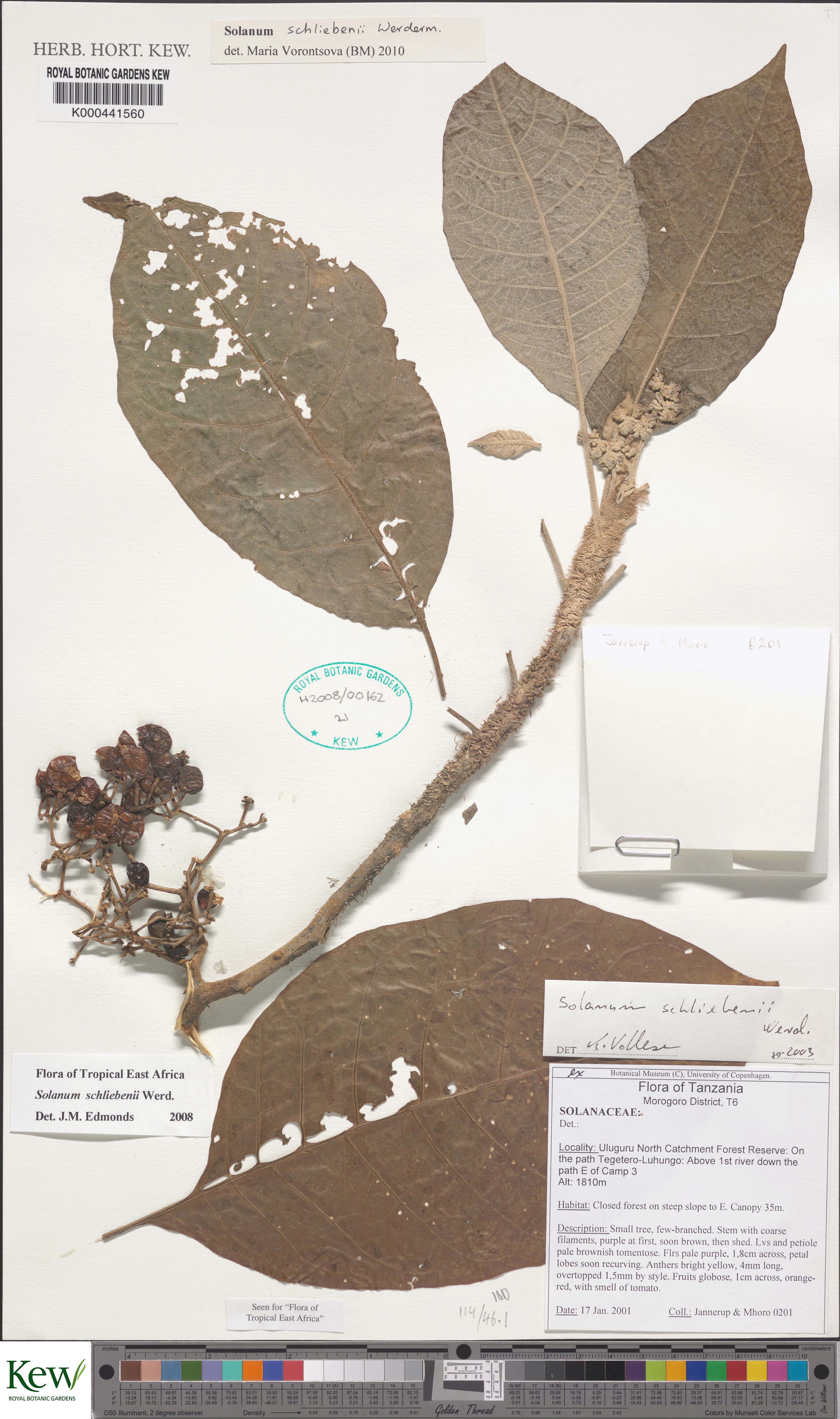
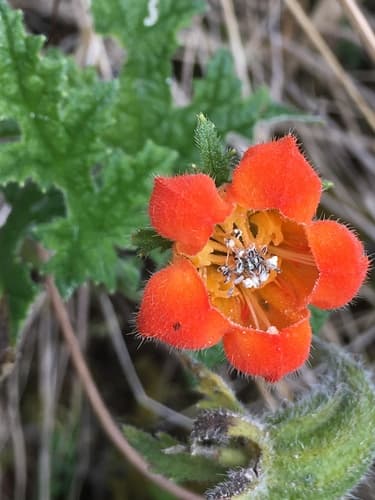
Hydrangea platyarguta is a deciduous shrub native to China, typically featuring broad, ovate to elliptic leaves with serrated margins. The image displays a distinctive trilobed structure, possibly a bract or a very young leaf, with prominent reticulate venation. It produces clusters of white or pale blue flowers.