ear-leaved cestrum
Nameear-leaved cestrum
Scientific NameCestrum auriculatum
Common Namesear-leaved cestrum, hierba santa, palqui
Plant FamilySolanaceae
Natural HabitatNative to the Andes region of South America, particularly Peru, Bolivia, and Ecuador. It thrives in disturbed areas, forest edges, roadsides, and along riverbanks, often at moderate elevations.
Parts Usedleaf,bark,flower
Medicinal Actionsanalgesic, anti-inflammatory, antimicrobial
Traditional UsesTraditionally, ear-leaved cestrum has been used in South American folk medicine to treat various ailments. The leaves and bark are often applied externally as poultices for pain relief, inflammation, rheumatism, and skin conditions. Internally, decoctions have been used for fevers and as a purgative, though internal use requires extreme caution due to toxicity.
Active Constituentssteroidal saponins, flavonoids, alkaloids
Preparation Methodsinfusion, decoction, poultice
Contraindications & WarningsAll parts of Cestrum auriculatum are considered toxic, especially the berries, due to the presence of steroidal saponins and alkaloids. Internal use is highly discouraged and can lead to poisoning, causing gastrointestinal upset, neurological symptoms, and cardiac issues. External use should be done with caution, avoiding broken skin, and is contraindicated for pregnant or breastfeeding women and young children.
Cultivation NotesThis plant prefers well-drained soil and can tolerate a range of light conditions from full sun to partial shade. It is relatively drought-tolerant once established and can be propagated from seeds or cuttings. It is often considered a hardy, fast-growing shrub.
Raritycommon
Description
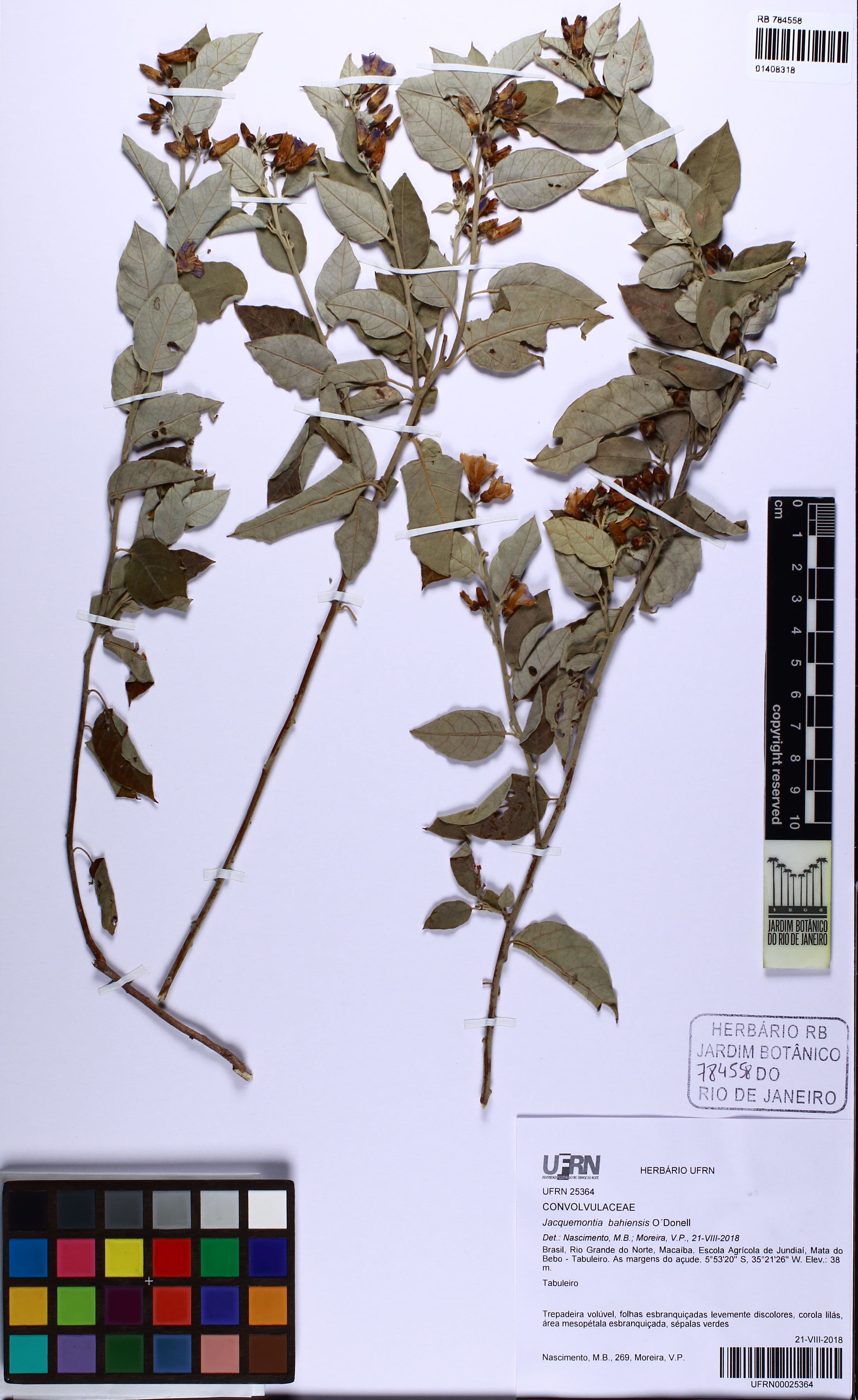
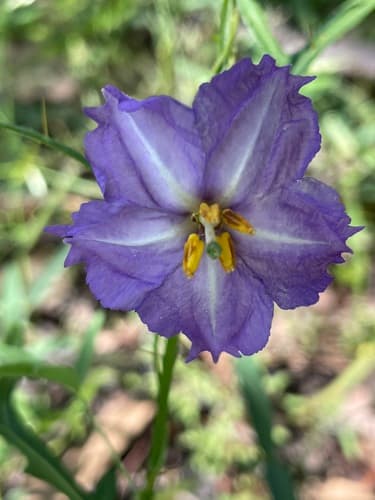
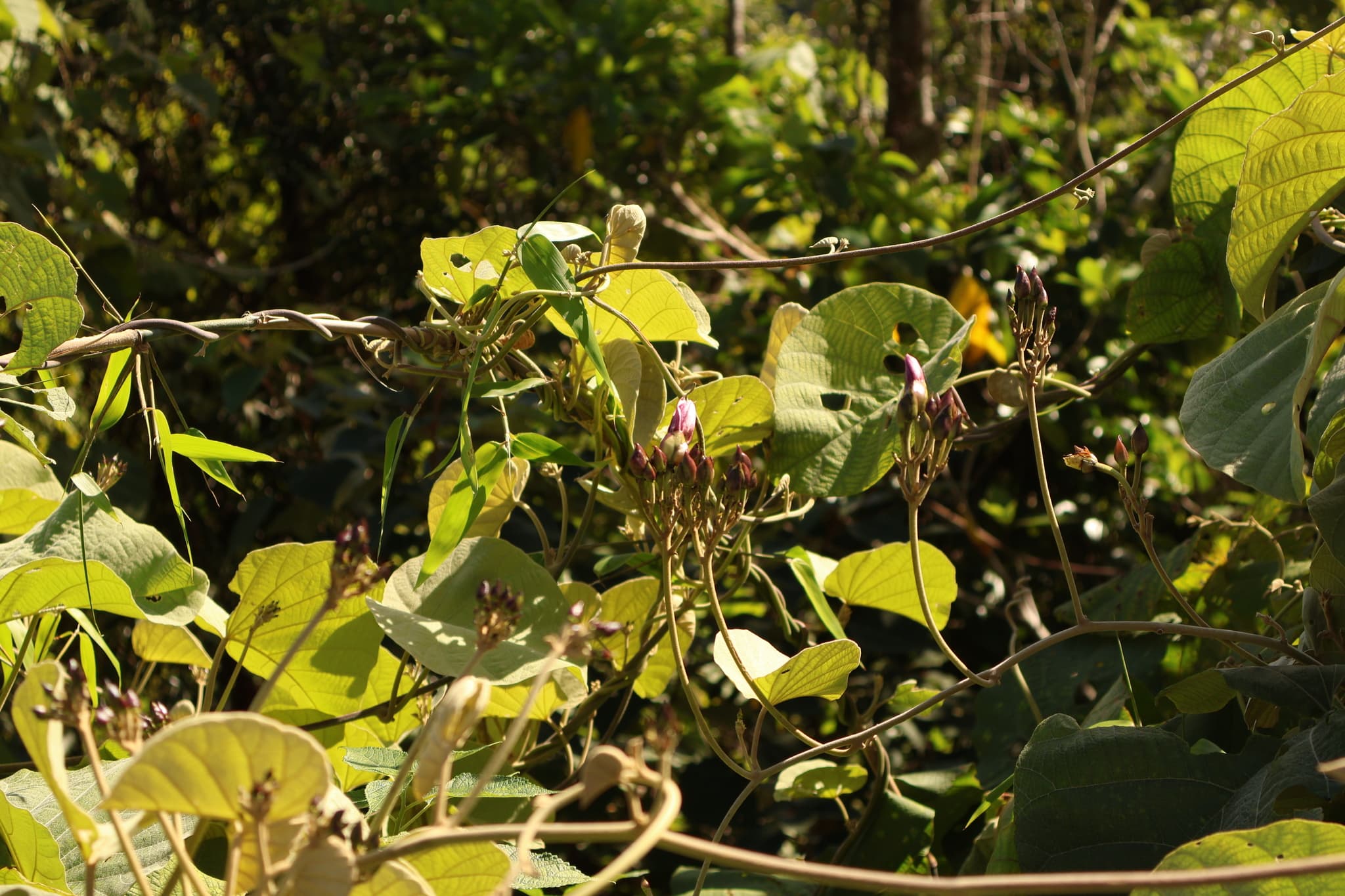
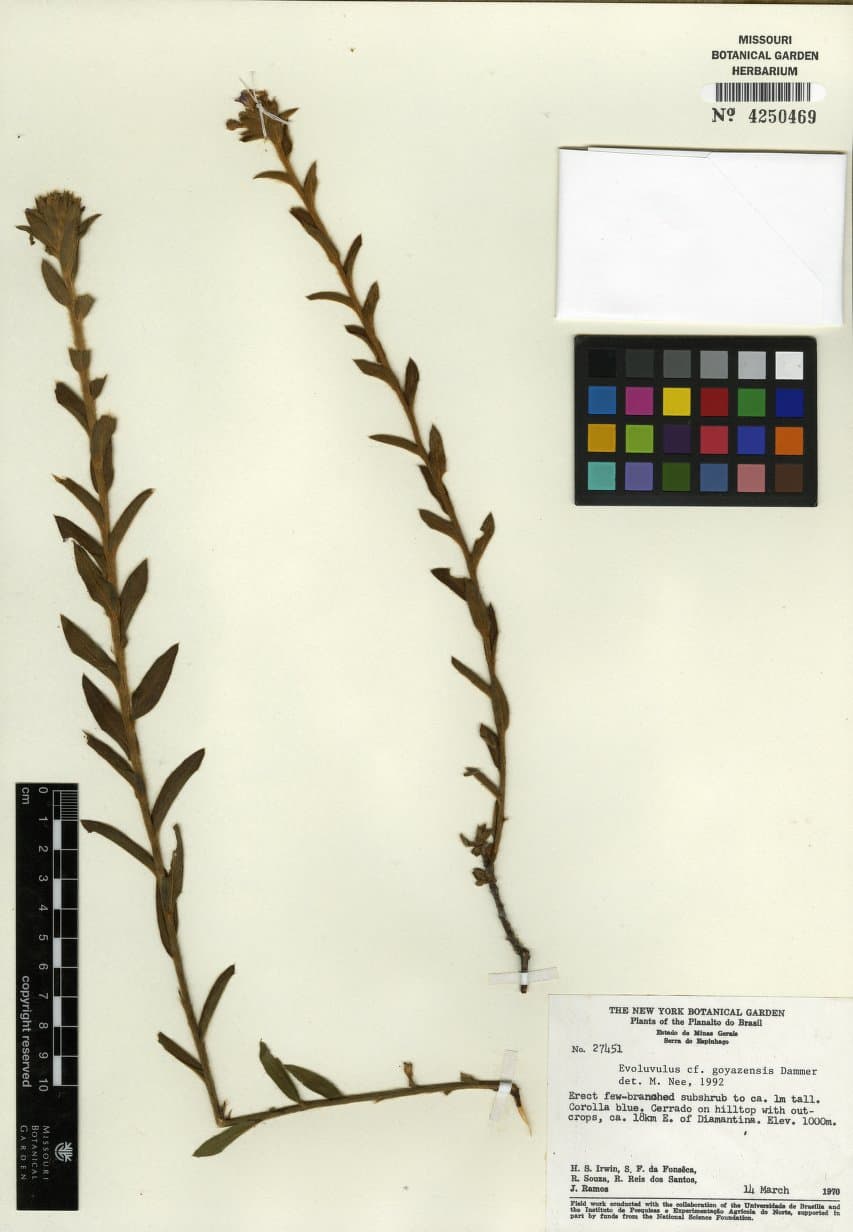
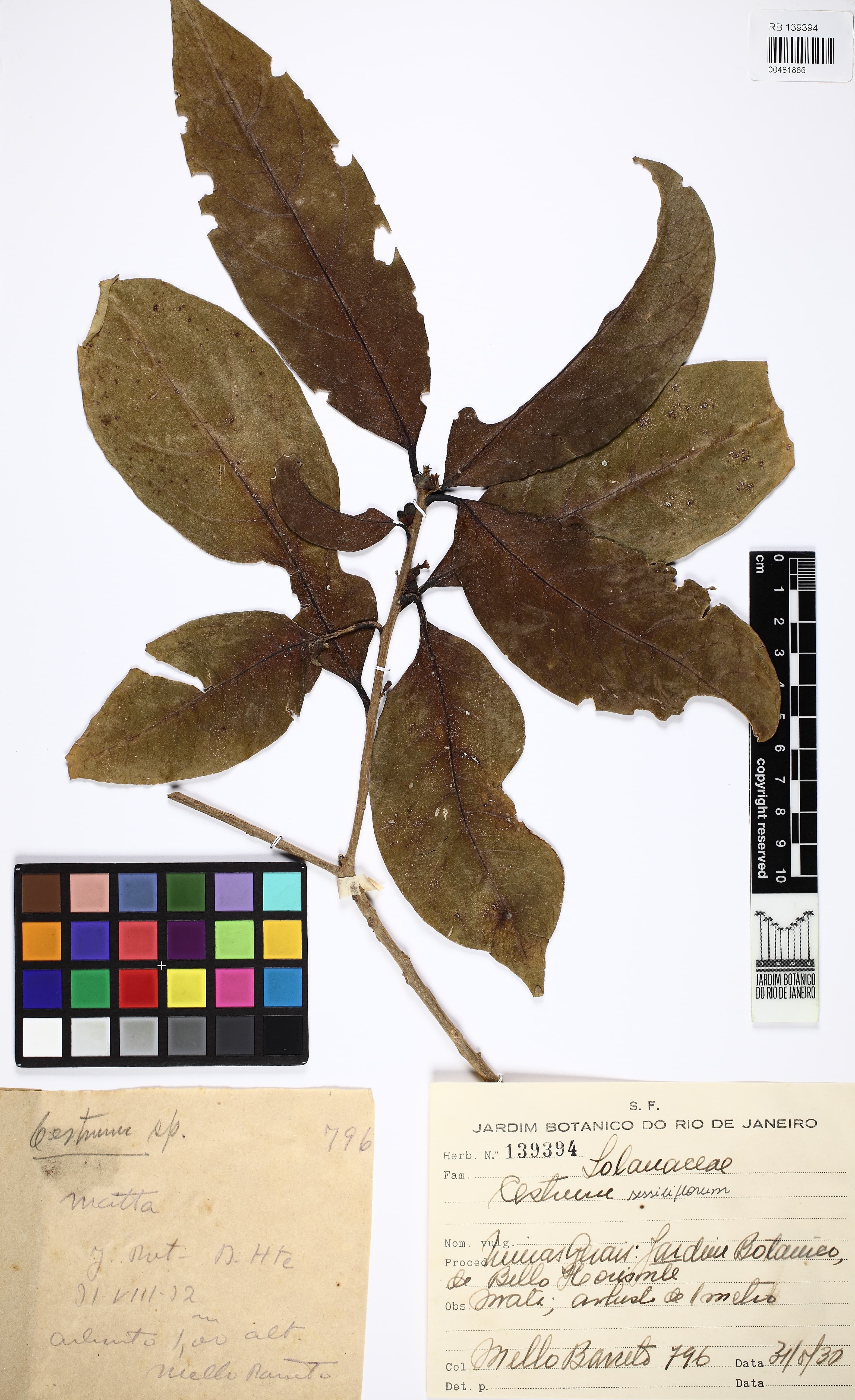
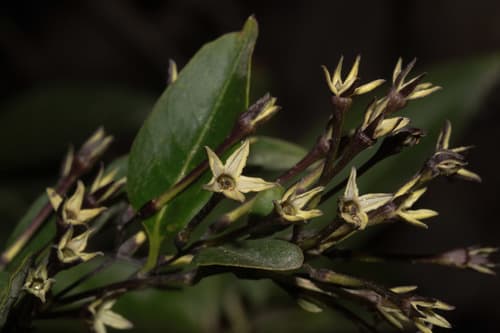
Cestrum auriculatum is a shrub or small tree characterized by its simple, alternate, often ear-shaped (auriculate) leaves and clusters of small, tubular, pale yellow to greenish-yellow flowers. The flowers are typically fragrant, especially at night, and are followed by small berries.