
Ipomoea minutiflora
NameIpomoea minutiflora
Scientific NameIpomoea minutiflora
Common NamesSmall-flowered Morning Glory, Minute-flowered Morning Glory
Plant FamilyConvolvulaceae
Natural HabitatThis species is native to tropical and subtropical regions, commonly found in disturbed areas such as roadsides, agricultural fields, and open woodlands. It thrives in sunny locations with well-drained soil.
Parts Usedleaf,flower
Medicinal Actionsantioxidant, antimicrobial
Traditional UsesSpecific traditional medicinal uses for Ipomoea minutiflora are not widely documented in ethnobotanical literature. While other species within the Ipomoea genus are known for various medicinal properties, including purgative effects, there is a lack of specific traditional applications recorded for this particular small-flowered morning glory.
Active ConstituentsFlavonoids, Resin glycosides
Preparation Methodsinfusion, decoction, powder
Contraindications & WarningsDue to limited specific research on Ipomoea minutiflora, caution is advised. Many Ipomoea species contain compounds that can be purgative or potentially toxic if ingested in large quantities, particularly the seeds. Pregnant or breastfeeding individuals and those with gastrointestinal conditions should avoid use.
Cultivation NotesIpomoea minutiflora is generally easy to cultivate from seed, preferring full sun exposure and well-drained soil. It can be a vigorous grower and may self-seed readily, sometimes considered a weed in certain agricultural settings.
Raritycommon
Description
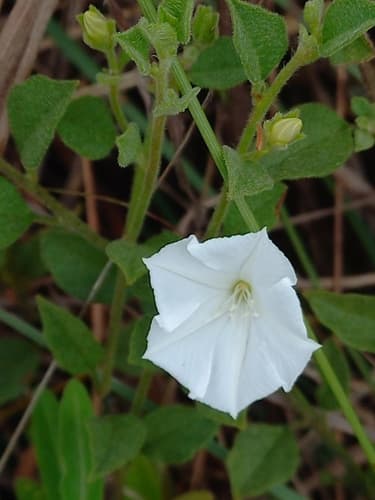
Ipomoea minutiflora is a herbaceous climbing or trailing vine characterized by its small, bright yellow, trumpet-shaped flowers, typically borne singly or in small clusters. The plant often exhibits hairy stems and leaves, a common feature within the morning glory family.