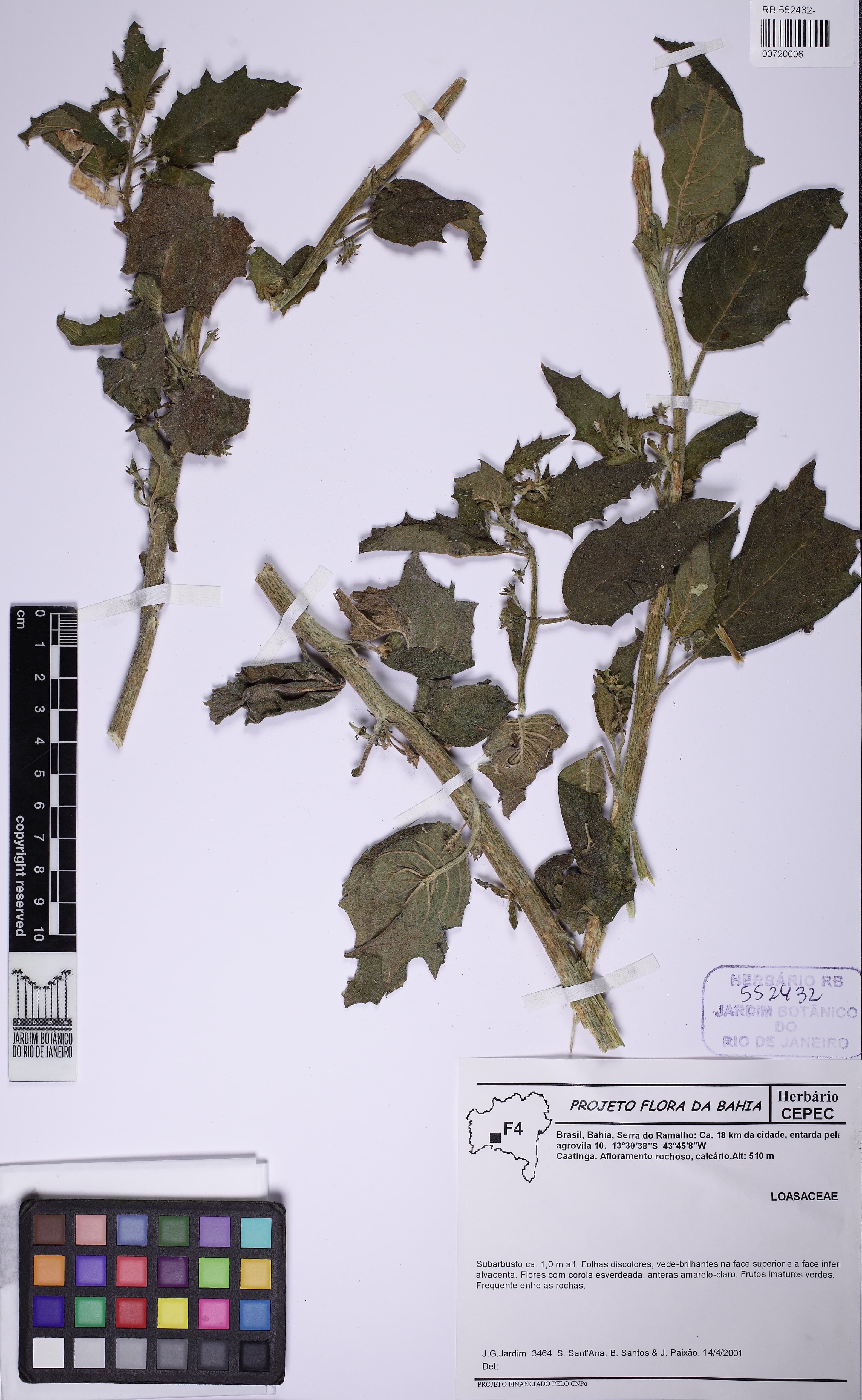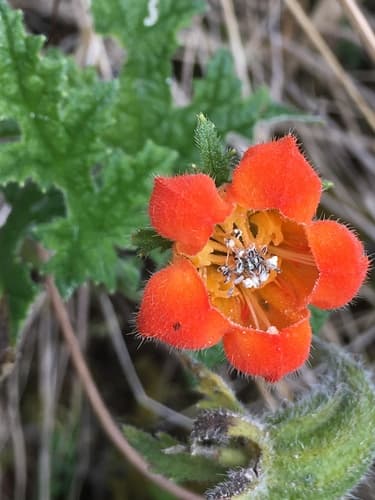
Caiophora grandiflora
NameCaiophora grandiflora
Scientific NameCaiophora grandiflora
Common NamesAndean Stinging Nettle, Ortiga Brava, Chilean Stinging Nettle
Plant FamilyLoasaceae
Natural HabitatNative to the high Andes of South America, particularly Chile and Argentina, growing in rocky slopes, open grasslands, and high-altitude scrublands, often in dry to semi-dry conditions.
Parts Usedwhole_plant,leaf
Traditional UsesIn some Andean traditional medicine, the stinging hairs of Caiophora species have been used as a counter-irritant for rheumatic pain, muscle aches, or to stimulate local circulation, similar to the practice of urtication with nettles.
Active Constituentshistamines, acetylcholine, serotonin
Preparation Methodspoultice
Contraindications & WarningsSevere skin irritation, allergic reactions, and potential blistering upon contact due to stinging hairs. Avoid contact with eyes and mucous membranes. Not for internal use without specific processing to neutralize stinging compounds and expert guidance.
Cultivation NotesPrefers well-drained, rocky or sandy soil and full sun. It is drought-tolerant once established and requires specific high-altitude conditions, making it challenging to cultivate outside its native range. Handle with extreme caution due to stinging hairs.
Rarityuncommon
Description
Caiophora grandiflora is a herbaceous perennial plant native to the Andes, characterized by its vibrant orange to red, cup-shaped flowers with prominent hairy petals. The entire plant, including its deeply lobed leaves and stems, is covered in stinging hairs that cause significant irritation upon contact.