Hydrangea glaucescens
NameHydrangea glaucescens
Scientific NameHydrangea glaucescens
Common NamesNone widely recognized
Plant FamilyHydrangeaceae
Natural HabitatTypically found in woodlands, forest edges, and along stream banks in temperate and subtropical regions, preferring moist, well-drained soils.
Parts Usedroot,leaf
Medicinal Actionsdiuretic, anti-inflammatory
Traditional UsesWhile specific traditional uses for Hydrangea glaucescens are not extensively documented, other Hydrangea species (like H. arborescens) have been traditionally used for urinary tract issues, kidney and bladder stones, prostate enlargement, and gout due to their diuretic and lithotriptic properties.
Active ConstituentsHydrangin, Hydrangenol, Saponins, Flavonoids, Volatile oils
Preparation Methodsdecoction, tincture
Contraindications & WarningsHigh doses may cause gastrointestinal upset (nausea, vomiting, diarrhea). Avoid use during pregnancy or breastfeeding. Individuals with severe kidney disease or intestinal obstruction should exercise caution. May interact with diuretics or blood-thinning medications.
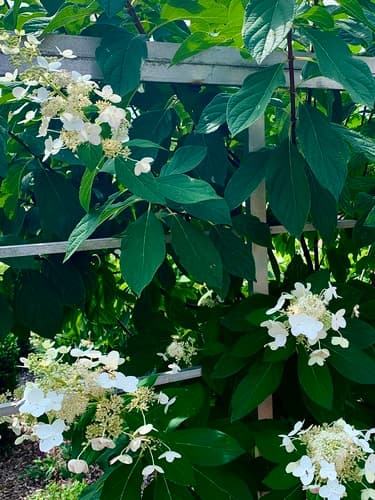
Cultivation NotesPrefers partial shade to full sun (if soil moisture is consistent), and moist, well-drained, acidic to neutral soil. Can be grown as a shrub or trained as a climber depending on its growth habit.
Rarityuncommon
Description
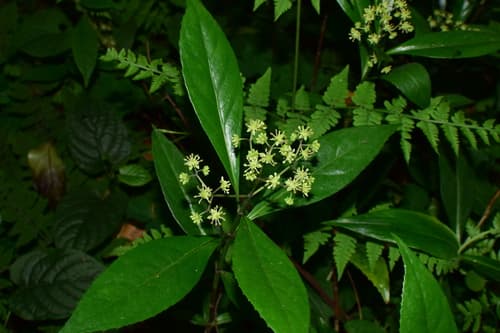
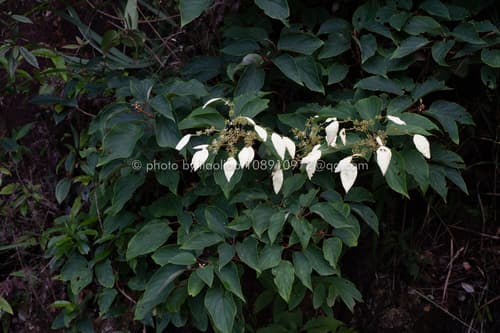
A woody shrub or climber characterized by its dark green, ovate to elliptic leaves. It produces terminal panicles of small fertile flowers, often surrounded by prominent, showy, white, ovate sterile bracts (sepals) that resemble petals.