Hydrangea lingii
NameHydrangea lingii
Scientific NameHydrangea lingii
Common NamesLing's Hydrangea
Plant FamilyHydrangeaceae
Natural HabitatNative to forests and thickets in mountainous regions of China, typically found at elevations between 500 and 1800 meters.
Parts Usedroot,leaf
Medicinal Actionsdiuretic, anti-inflammatory, astringent
Traditional UsesTraditionally, species within the Hydrangea genus, including those from China, have been used to support urinary tract health, aid in the dissolution of kidney and bladder stones, and act as a diuretic. Some historical uses also include treating fevers and malaria.
Active Constituentshydrangin, hydrangenol, scopoletin, flavonoids, saponins
Preparation Methodsdecoction, infusion, tincture
Contraindications & WarningsLarge doses may cause gastrointestinal upset. Caution advised during pregnancy and lactation. May interact with diuretic medications.
Cultivation NotesPrefers moist, well-drained soil and partial to full shade. Hardy in temperate climates, requiring consistent moisture.
Rarityuncommon
Description
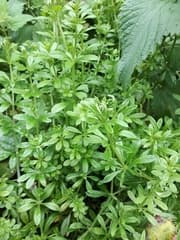
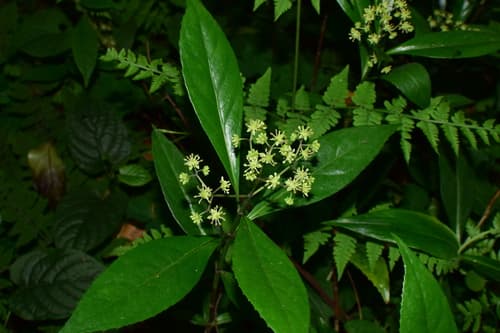
A deciduous shrub native to China, characterized by simple, ovate-lanceolate leaves with serrated margins. It produces terminal cymes of small, greenish-yellow fertile flowers, typically lacking the large sterile florets of many cultivated Hydrangeas.