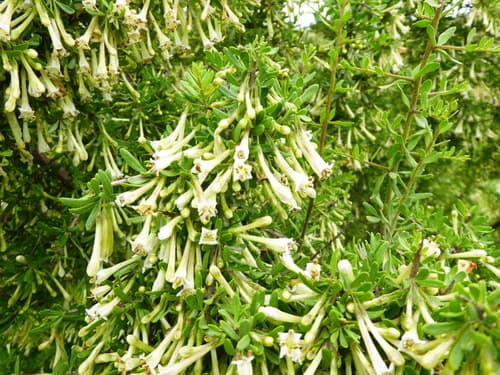
Lycium distichum
NameLycium distichum
Scientific NameLycium distichum
Common NamesDesert Thorn
Plant FamilySolanaceae
Natural HabitatNative to arid and semi-arid regions of South America, particularly Argentina and Chile. It thrives in dry, rocky, and sandy soils, often found in scrublands, desert environments, and along riverbanks.
Parts Usedfruit,leaf,root
Medicinal Actionsantioxidant, anti-inflammatory, adaptogen, diuretic
Traditional UsesWhile specific traditional medicinal uses for Lycium distichum are not widely documented, other species within the Lycium genus, particularly those found in arid regions, have been traditionally used for their fruits as a general tonic, for vision support, and to boost vitality. Leaves may have been used in infusions for fevers or as a mild diuretic, and root bark for various ailments.
Active ConstituentsPolysaccharides, Carotenoids, Flavonoids, Betaine
Preparation Methodsinfusion, decoction, powder
Contraindications & WarningsGenerally considered safe, but like other Lycium species, it may interact with anticoagulant medications (e.g., warfarin) due to potential effects on blood clotting. Pregnant or nursing women, and individuals with specific medical conditions, should consult a healthcare professional before use.
Cultivation NotesThis drought-tolerant shrub prefers full sun exposure and well-drained soil, tolerating poor soil conditions. It can be propagated from seeds or cuttings and is well-suited for xeriscaping in arid climates.
Rarityuncommon
Description
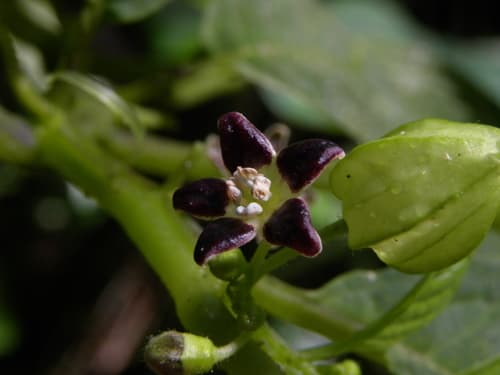
Lycium distichum is a thorny, deciduous shrub characterized by its small, linear to spatulate, somewhat fleshy leaves, often clustered along its branches. It produces numerous pendulous, tubular flowers that are pale cream to greenish-white, typically appearing solitary or in small groups in the leaf axils. The plant later develops small, red or orange berries.