Cherry-bark Elm
NameCherry-bark Elm
Scientific NameUlmus serotina
Common NamesCherry-bark Elm, September Elm
Plant FamilyUlmaceae
Natural HabitatNative to southeastern North America, typically found in rocky limestone soils, along stream banks, and in moist woodlands, often at higher elevations.
Parts Usedbark
Medicinal Actionsdemulcent, astringent, anti-inflammatory
Traditional UsesTraditionally, the inner bark of elms, including species like cherry-bark elm, has been used to soothe inflamed mucous membranes in the digestive tract, respiratory system, and urinary tract. It was also applied externally as a poultice for skin irritations, wounds, and boils.
Active Constituentsmucilage, tannins, phytosterols
Preparation Methodsdecoction, poultice, powder
Contraindications & WarningsGenerally considered safe. As with all mucilaginous herbs, it may slow the absorption of other medications if taken simultaneously; advise separating doses by several hours.
Cultivation NotesPrefers full sun to partial shade and well-drained, moist soils, particularly limestone-rich areas. It is relatively hardy and shows some resistance to Dutch elm disease compared to other elm species.
Rarityuncommon
Description
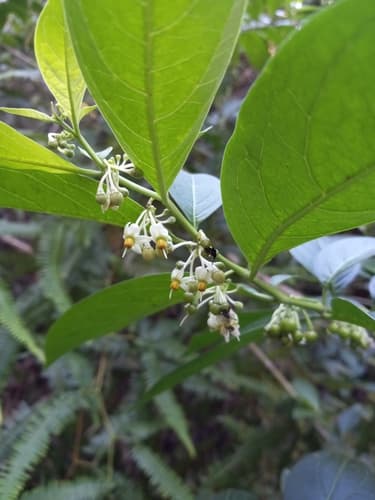
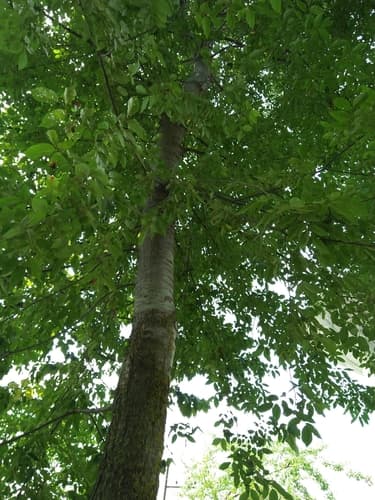
A medium to large deciduous tree, characterized by its distinctive cherry-like exfoliating bark on mature trunks and branches. It bears simple, alternate, serrated green leaves and small, inconspicuous flowers.