Hydrangea heteromalla
NameHydrangea heteromalla
Scientific NameHydrangea heteromalla
Common NamesHimalayan Hydrangea, Rough-leaved Hydrangea
Plant FamilyHydrangeaceae
Natural HabitatNative to the Himalayas and parts of China, it typically grows in mountain forests, thickets, and along stream banks, preferring moist, well-drained soils in partial shade.
Parts Usedroot
Medicinal Actionsdiuretic, anti-inflammatory
Traditional UsesWhile Hydrangea heteromalla specifically is not as widely documented for medicinal use as other Hydrangea species (like H. arborescens), the genus Hydrangea has a traditional history in herbal medicine. The root is traditionally used as a diuretic and for urinary tract issues, including kidney and bladder stones, and prostate enlargement, often to help dissolve or pass calculi.
Active Constituentshydrangin, saponins, flavonoids, hydrangenol, isocoumarins
Preparation Methodsdecoction, tincture, powder
Contraindications & WarningsMay cause gastrointestinal upset. Caution is advised for individuals with a history of kidney disease or those taking diuretics or blood-thinning medications. Not recommended for pregnant or breastfeeding women.
Cultivation NotesPrefers moist, well-drained, humus-rich soil and partial shade, though it can tolerate full sun if the soil remains consistently moist. It is generally hardy and can be grown as a large shrub or small multi-stemmed tree.
Rarityuncommon
Description
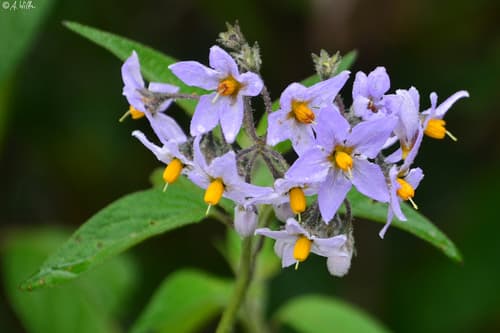
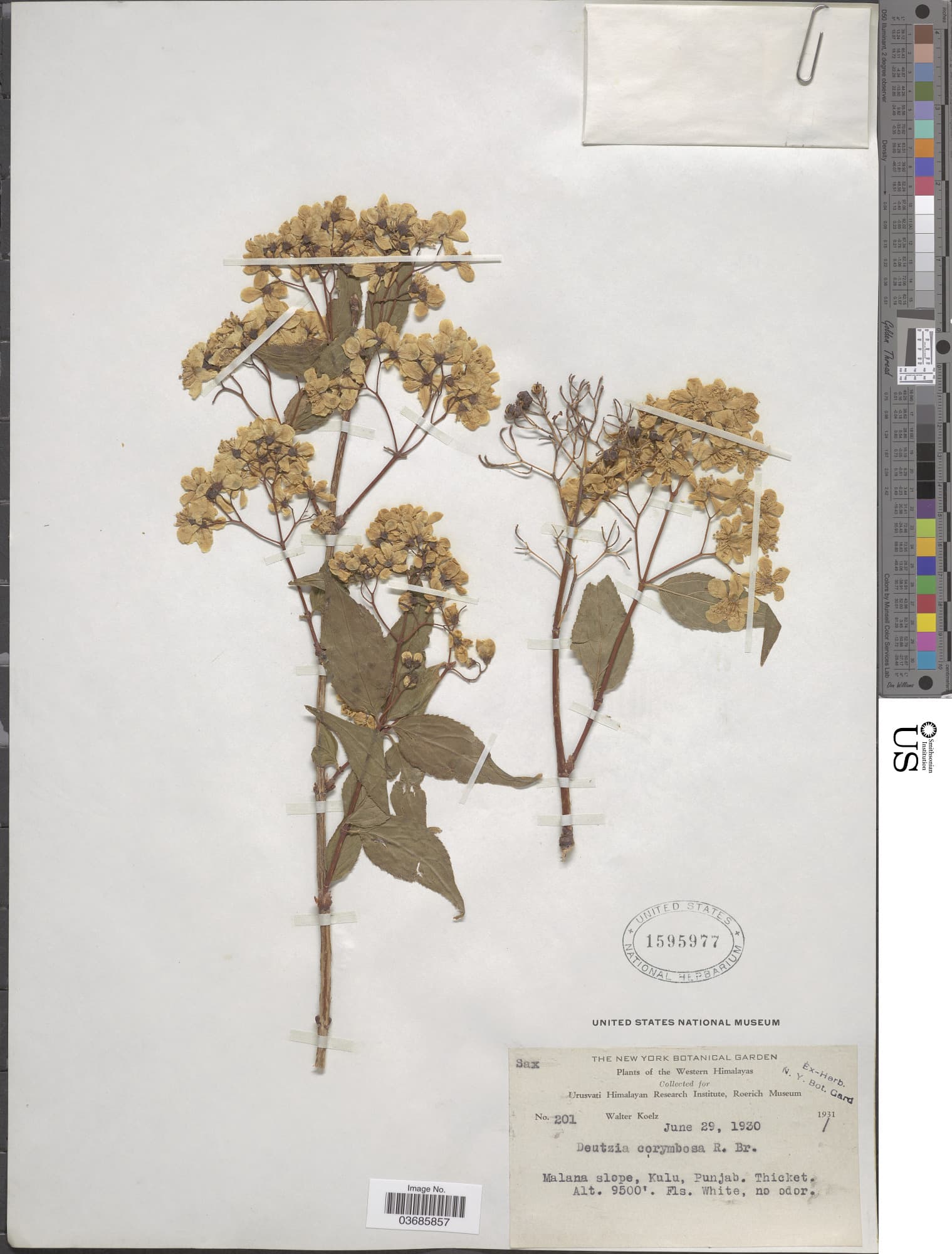
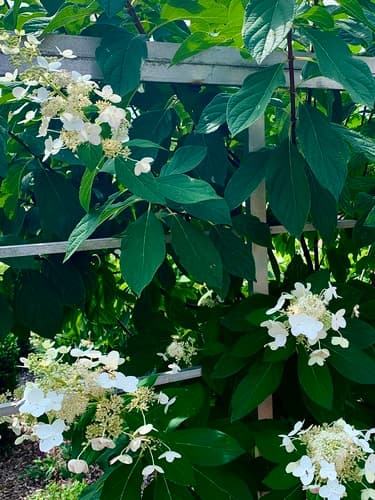
Hydrangea heteromalla is a large deciduous shrub or small tree, characterized by its large, rough-textured green leaves. It produces showy, flat-topped clusters of white flowers, often with larger sterile florets surrounding smaller fertile ones, giving it a 'lacecap' appearance.