Hydrangea bifida
NameHydrangea bifida
Scientific NameHydrangea bifida
Common NamesSplit-leaf Hydrangea, Bifid Hydrangea
Plant FamilyHydrangeaceae
Natural HabitatNative to mountainous woodlands and forest edges in Japan, thriving in moist, shaded environments.
Parts Usedroot,leaf
Medicinal Actionsdiuretic, anti-inflammatory
Traditional UsesWhile specific traditional uses for Hydrangea bifida are not widely documented, other Hydrangea species, particularly H. arborescens, have been traditionally used for urinary tract health, including treating kidney and bladder stones, and alleviating symptoms of bladder infections and prostate issues.
Active Constituentshydrangin, saponins, flavonoids, hydrangenol
Preparation Methodsdecoction, tincture
Contraindications & WarningsLarge doses may cause gastrointestinal upset. Not recommended for pregnant or breastfeeding individuals. Potential interactions with diuretics and blood-thinning medications should be considered.
Cultivation NotesPrefers moist, well-drained, acidic to neutral soil and partial to full shade. Requires consistent moisture, especially in warmer climates, and benefits from protection from harsh afternoon sun.
Rarityuncommon
Description
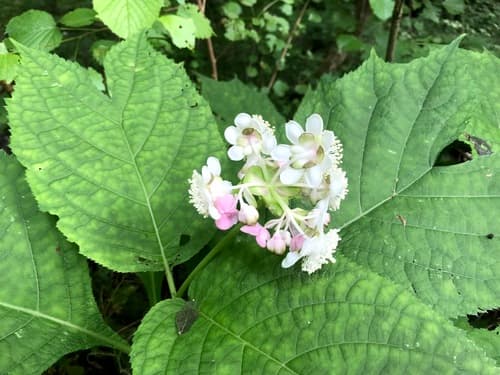
A deciduous shrub native to Japan, characterized by large, deeply lobed leaves and lacecap-style inflorescences. Its flowers typically feature small fertile florets surrounded by larger, showy sterile florets that are often white with a pinkish tinge.