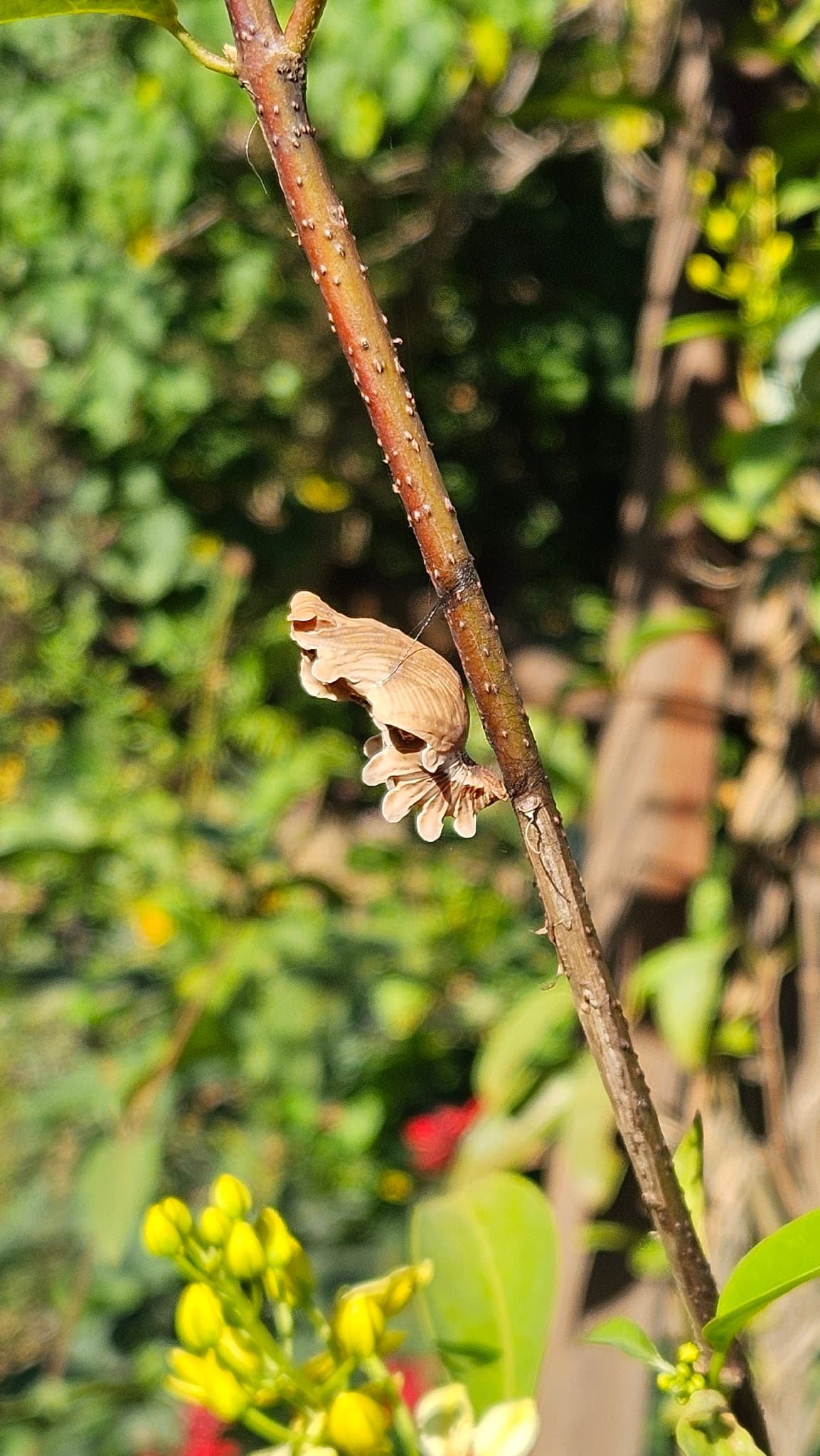
Pachliopta kajelanus
Image: lokechin (cc-by-nc)
NamePachliopta kajelanus
Scientific NameAristolochia indica
Common NamesIndian Birthwort, Ishwari, Sarpagandha
Plant FamilyAristolochiaceae
Natural HabitatNative to South and Southeast Asia, *Aristolochia indica* thrives in tropical and subtropical forests, scrublands, and open areas, typically climbing on other vegetation or growing as a ground cover.
Parts Usedroot,leaf
Medicinal Actionsanti-inflammatory, antimicrobial
Traditional UsesTraditionally, *Aristolochia indica* has been used in Ayurvedic and other traditional medicine systems for various ailments, including snakebites, skin diseases, fever, and digestive issues. It was also historically employed as an emmenagogue and abortifacient. **CRITICAL WARNING: Due to the presence of highly toxic aristolochic acids, its internal use is strongly discouraged and illegal in many regions.**
Active ConstituentsAristolochic acids (e.g., aristolochic acid I, II), aristolactams, lignans, flavonoids
Preparation Methodsdecoction, powder
Contraindications & Warnings**SEVERE TOXICITY.** *Aristolochia indica* is absolutely contraindicated for internal use due to potent nephrotoxicity (kidney damage) and carcinogenicity (cancer-causing properties) caused by aristolochic acids. It is also contraindicated in pregnancy, lactation, and for individuals with kidney disease. Interactions with numerous drugs are possible.
Cultivation Notes*Aristolochia indica* prefers warm, humid climates and well-drained soil. It can be propagated from seeds or cuttings and requires support for its climbing habit. Cultivation is primarily for ornamental purposes or as a host plant for butterflies, not for medicinal harvest due to its extreme toxicity.
Rarityuncommon
Description
This entry describes *Aristolochia indica*, a perennial climbing shrub that serves as a host plant for the butterfly *Pachliopta aristolochiae* (of which *P. kajelanus* is considered a subspecies or synonym). It is characterized by its heart-shaped to ovate leaves and distinctive pipe-shaped flowers, often found in tropical and subtropical regions.