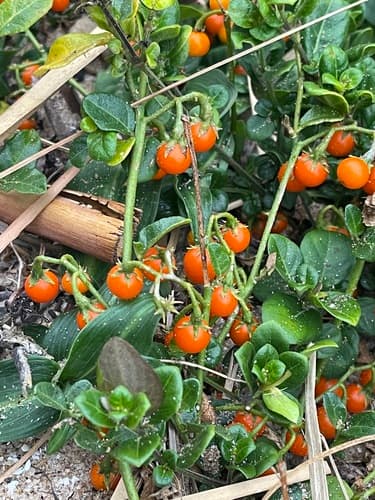
giant bitter-apple
Namegiant bitter-apple
Scientific NameViburnum lantana
Common Namesgiant bitter-apple, Wayfaring Tree, Wayfaring-tree, Mealy Guelder Rose, Hoarwithy
Plant FamilyAdoxaceae
Natural HabitatNative to Europe, North Africa, and western Asia, it thrives in woodlands, scrub, hedgerows, and on chalky soils. Often found in dry, open, sunny locations.
Parts Usedfruit,bark,leaf
Medicinal Actionsastringent, diuretic
Traditional UsesTraditionally, the bark and leaves have been used as an astringent and diuretic in some folk medicine practices. The berries, though mildly toxic when raw, have been used in some remedies, often cooked or dried, for their astringent properties, though this is less common due to toxicity concerns.
Active ConstituentsTannins, Iridoid glycosides, Saponins
Preparation Methodsdecoction, infusion, powder
Contraindications & WarningsRaw berries are mildly toxic and can cause gastrointestinal upset (nausea, vomiting, diarrhea). Not recommended for consumption without expert guidance. Pregnant or breastfeeding women should avoid.
Cultivation NotesHardy and adaptable, preferring full sun to partial shade and well-drained, alkaline soils. Tolerant of drought once established. Propagated by seed or cuttings.
Raritycommon
Description
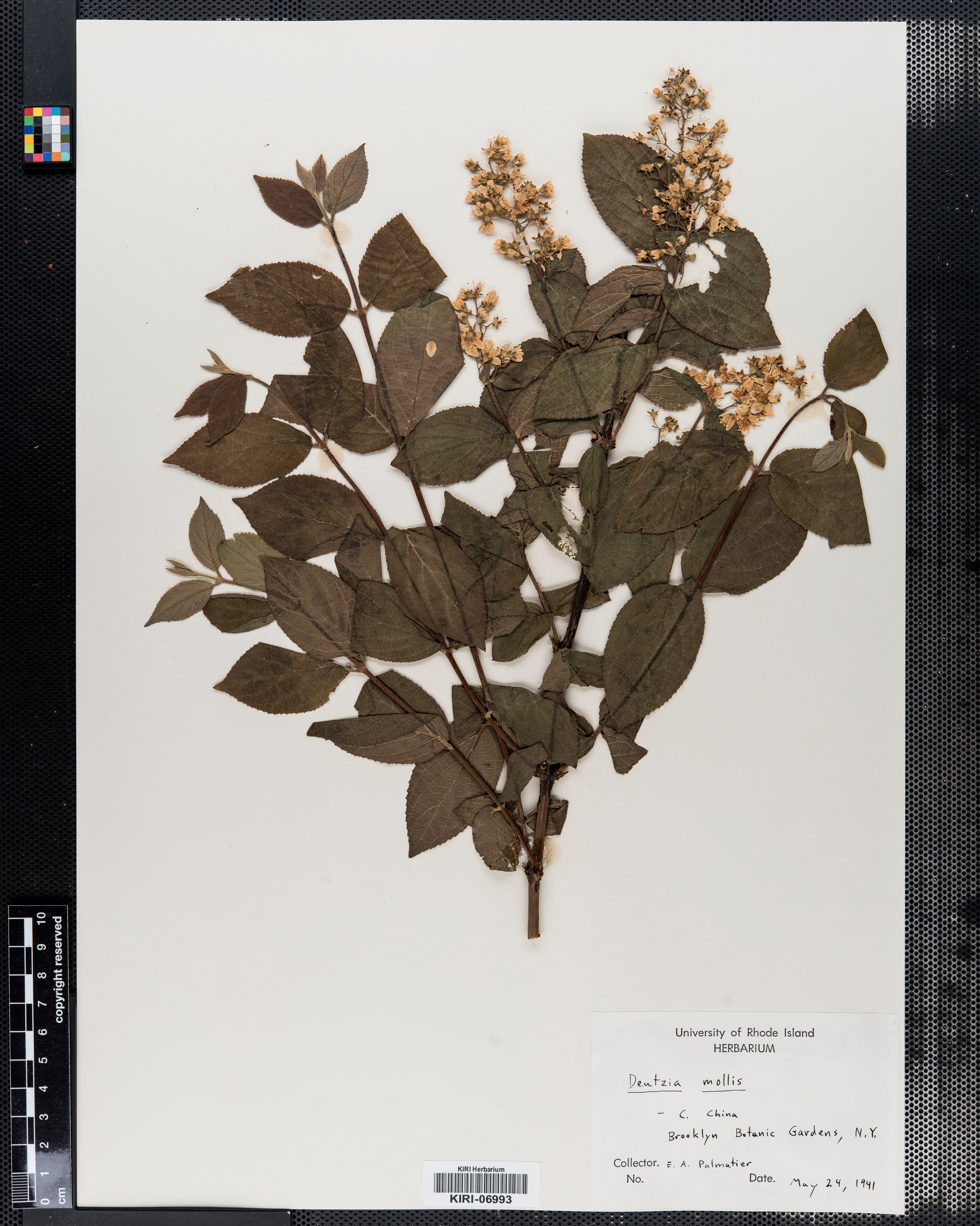
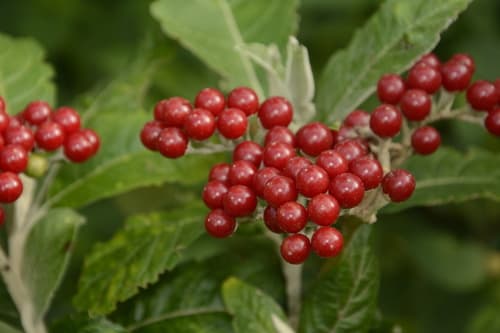
A deciduous shrub or small tree, typically growing 10-15 feet tall, characterized by its ovate, wrinkled leaves that are dark green above and densely hairy, greyish-white below. It produces clusters of small, ovoid berries that ripen from bright red to glossy black.