Horse Chestnut
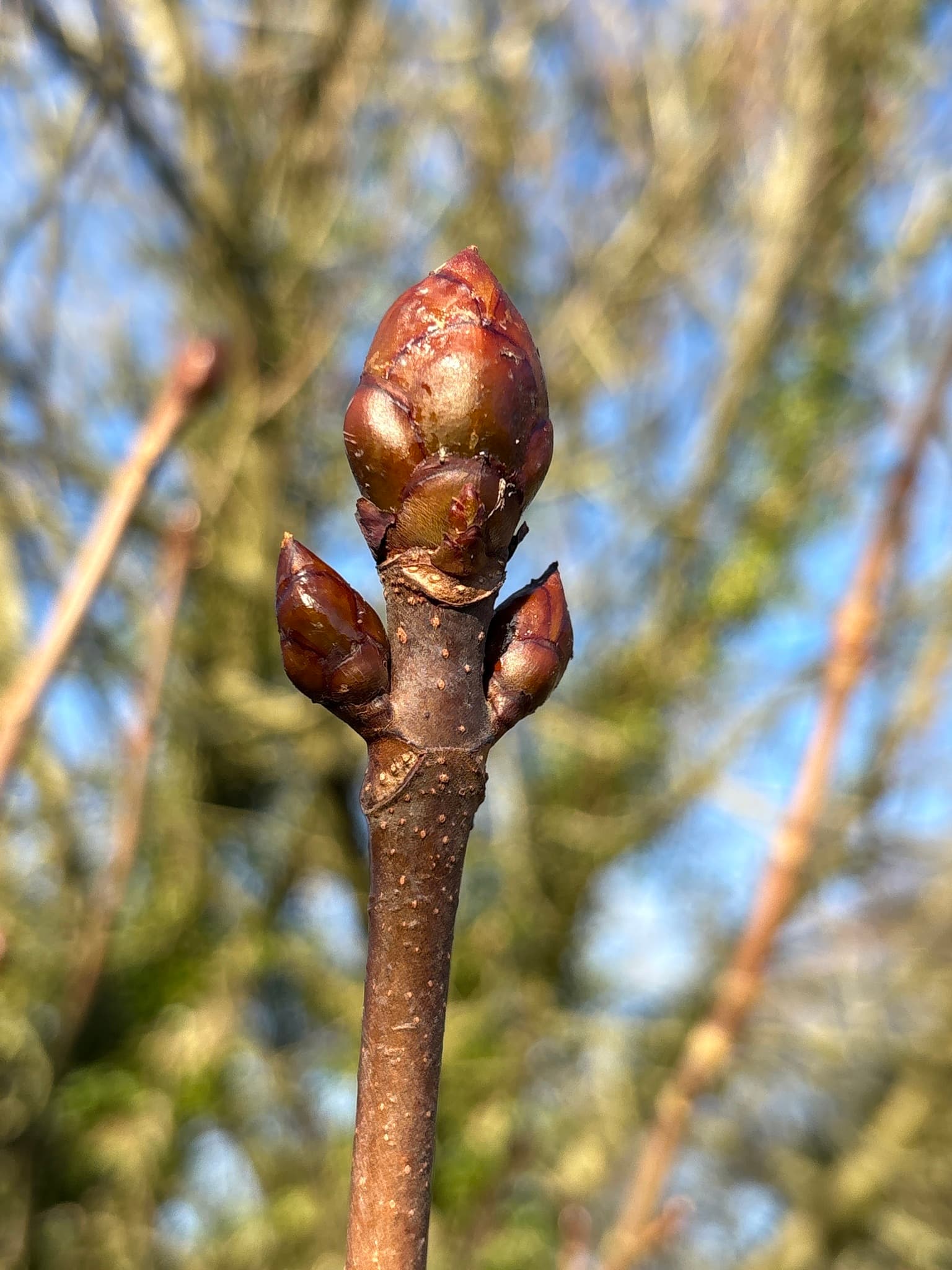
Image: David Hocken (cc-by-nc)
NameHorse Chestnut
Scientific NameAesculus hippocastanum
Common NamesHorse Chestnut, Conker Tree, European Horse Chestnut
Plant FamilySapindaceae
Natural HabitatNative to the Balkan Peninsula, it is widely cultivated as an ornamental tree in parks, avenues, and gardens across temperate regions worldwide.
Parts Usedseed,bark,leaf,flower
Medicinal Actionsanti-inflammatory, astringent, antioxidant
Traditional UsesTraditionally used to treat chronic venous insufficiency, varicose veins, hemorrhoids, and edema. It is valued for its ability to strengthen capillary walls and reduce fluid leakage, improving circulation.
Active ConstituentsAescin, Flavonoids, Coumarins
Preparation Methodstincture, infusion, salve
Contraindications & WarningsRaw seeds are toxic and should not be ingested. Contraindicated for pregnant or nursing women, individuals with kidney or liver disease, and those taking blood-thinning medications due to potential interactions.
Cultivation NotesThrives in full sun to partial shade and prefers well-drained, fertile soil. It is tolerant of urban pollution and can be propagated by seed (requiring stratification) or grafting.
Raritycommon
Description
A large deciduous tree characterized by its distinctive palmate leaves, showy white flowers, and spiny fruit containing glossy brown seeds. The winter buds, as seen in the image, are large, sticky, and reddish-brown.