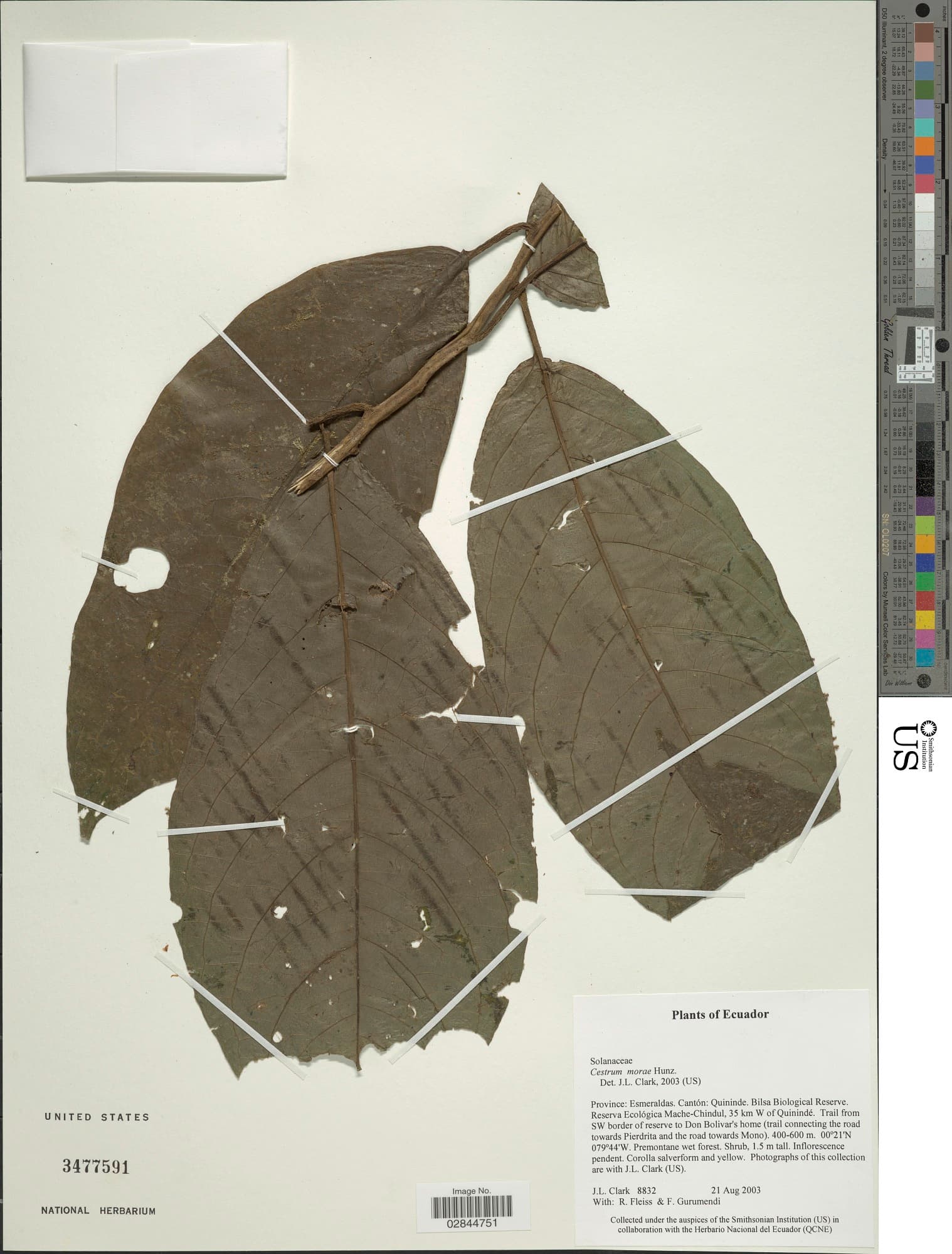
Solanum runsoriense
NameSolanum runsoriense
Scientific NameSolanum runsoriense
Plant FamilySolanaceae
Natural HabitatThis species is typically found in montane forests and forest margins in East Africa, often at altitudes ranging from 1500 to 3000 meters.
Parts Usedleaf,fruit
Medicinal Actionsanti-inflammatory, analgesic
Traditional UsesWhile the genus Solanum contains species with various traditional medicinal applications, there is no widely documented traditional use for Solanum runsoriense specifically. Many species within the Solanum genus are known to be toxic, and any potential medicinal properties would need to be carefully evaluated for safety and efficacy.
Active ConstituentsSteroidal glycoalkaloids
Preparation Methodspoultice
Contraindications & WarningsAll parts of Solanum runsoriense should be considered potentially toxic due to the presence of steroidal glycoalkaloids, which are common in the Solanum genus. Internal consumption is highly discouraged and potentially dangerous. Due to the lack of specific medicinal documentation, no specific safety data or drug interactions are available, and caution is strongly advised.
Cultivation NotesSolanum runsoriense prefers moist, well-drained soils and can thrive in partial shade to full sun. It can be propagated from seeds or cuttings and requires support if grown as a climbing plant.
Rarityuncommon
Description
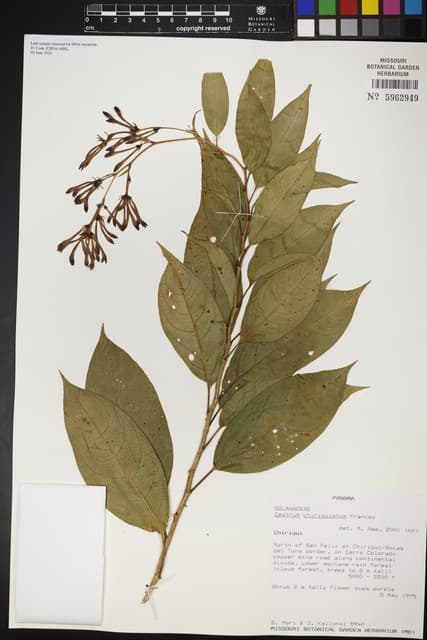
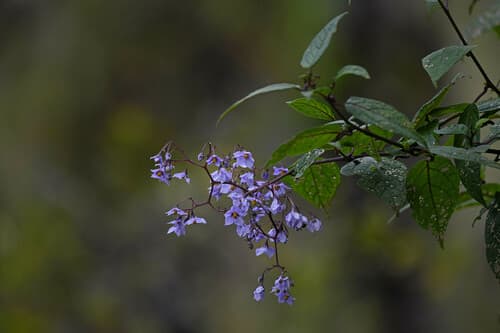
Solanum runsoriense is a climbing or scrambling shrub native to East Africa. It features ovate to lanceolate leaves and produces clusters of small, star-shaped, pale purple flowers, which are followed by small, spherical berries.