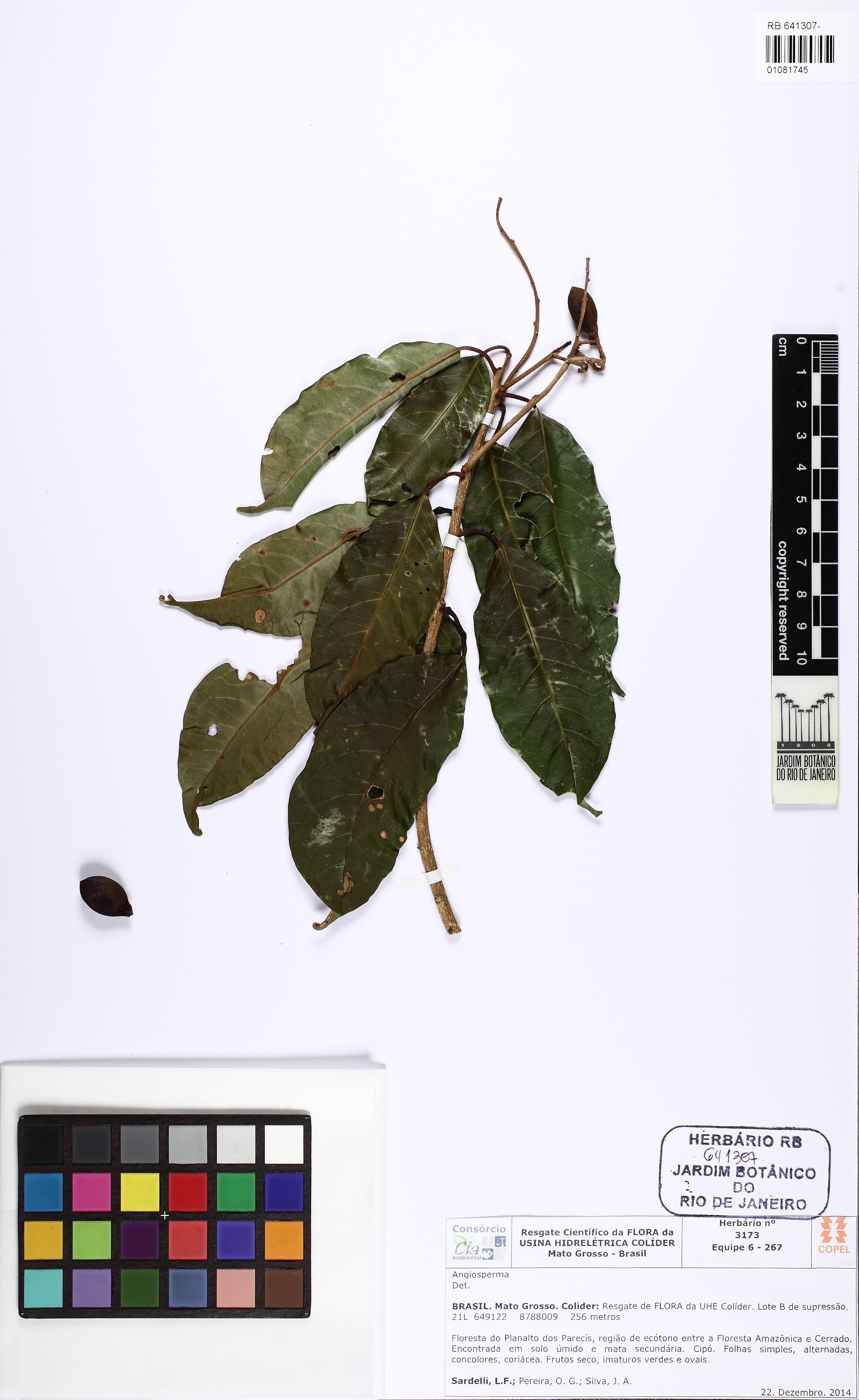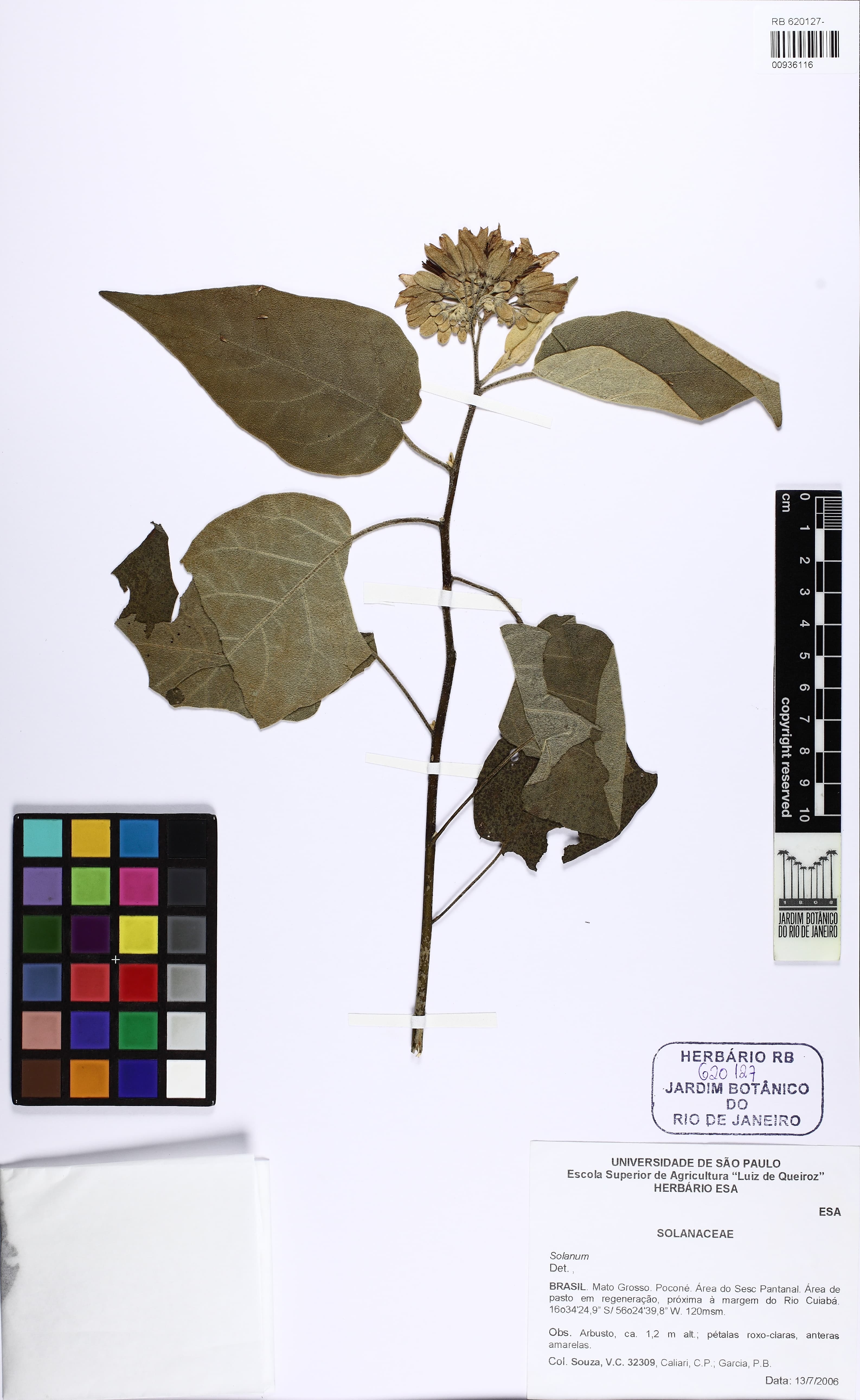
Caiophora
NameCaiophora
Scientific NameCaiophora contorta
Common NamesOrtiga brava, Ortiga de la sierra, Pega-pega
Plant FamilyLoasaceae
Natural HabitatNative to the high-altitude Andes of South America, it thrives in rocky slopes, open scrublands, and grasslands, typically found at elevations between 2000 and 4000 meters in countries like Chile, Argentina, Bolivia, and Peru.
Parts Usedwhole_plant,leaf
Medicinal Actionsanalgesic, anti-inflammatory
Traditional UsesTraditionally, the stinging hairs of Caiophora contorta are deliberately applied to the skin as a counter-irritant to alleviate rheumatic pain, arthritis, muscle aches, and neuralgia. This topical application is believed to stimulate local circulation and distract from deeper pain. Less commonly, some preparations have been used internally as a diuretic or for kidney ailments, though with extreme caution.
Active Constituentshistamine, acetylcholine, serotonin, flavonoids, saponins
Preparation Methodspoultice, infusion, powder
Contraindications & WarningsDirect contact with the stinging hairs causes severe skin irritation; avoid contact with eyes and mucous membranes. Internal use is generally not recommended without expert guidance due to potential toxicity and the presence of irritant compounds. Not for use on open wounds or by individuals with known allergies to stinging plants.
Cultivation NotesThis plant requires well-drained soil, full sun, and cool temperatures, mimicking its native high-altitude Andean environment. It can be challenging to cultivate outside its natural range and should be handled with extreme care due to its stinging hairs. Propagation is typically by seed.
Raritycommon
Description
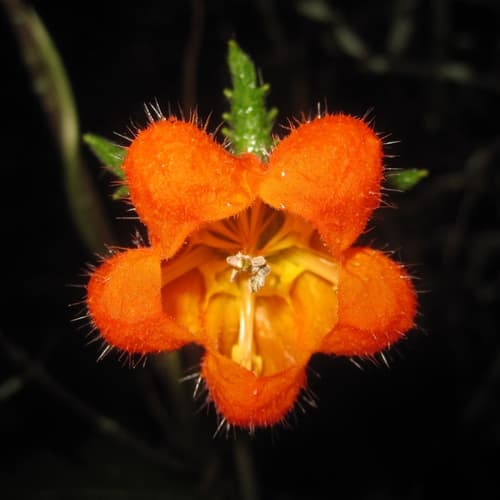
Caiophora contorta is a herbaceous perennial or annual plant, notable for its vibrant orange, bell-shaped flowers and dense covering of stinging hairs (glochids) on most parts. The flowers are solitary and terminal, displaying prominent stamens within their five-petaled structure.