Solanum yirrkalense
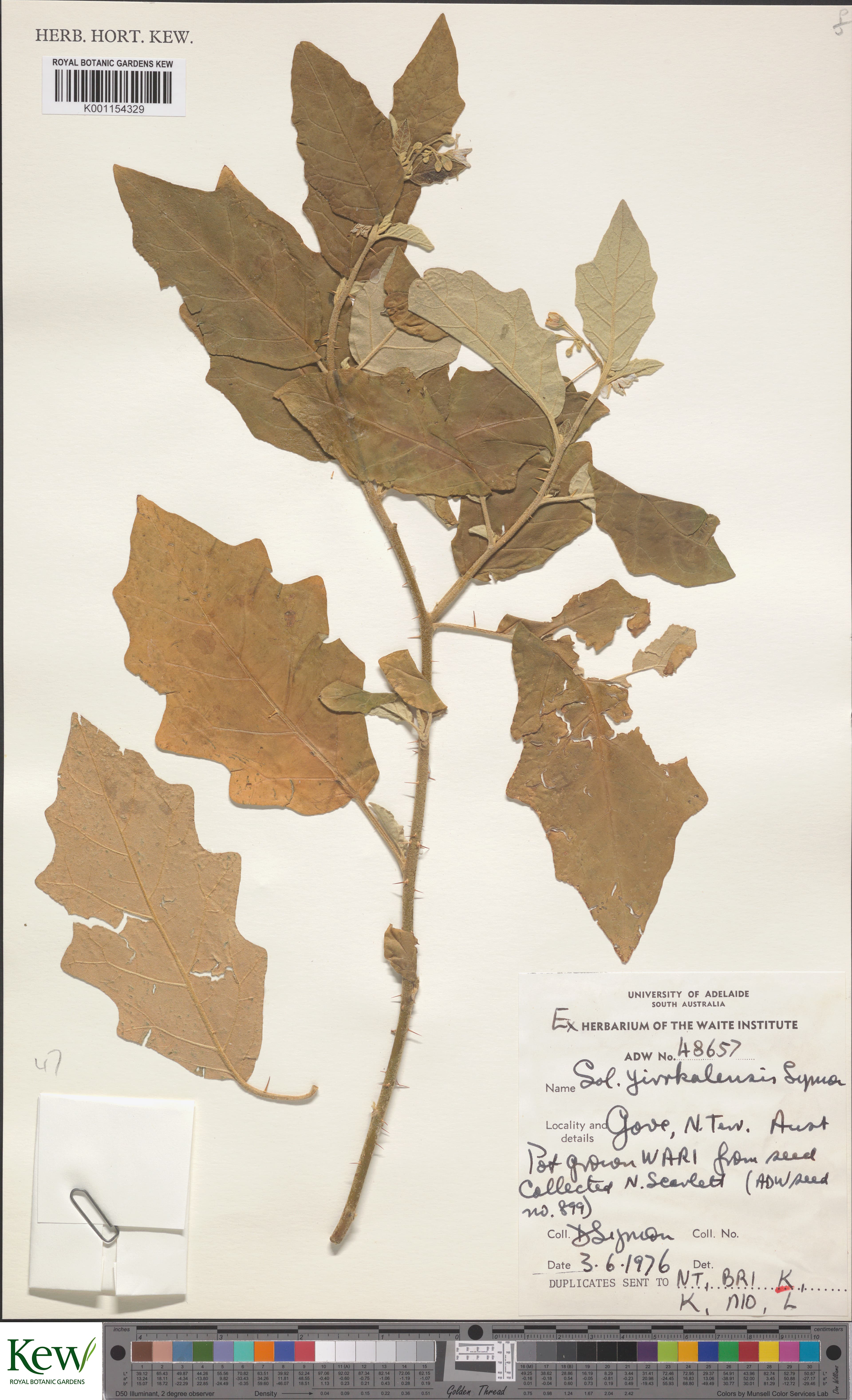
Image: Symon, D. (cc-by)
NameSolanum yirrkalense
Scientific NameSolanum yirrkalense Symon
Common NamesBush Tomato, Native Eggplant
Plant FamilySolanaceae
Natural HabitatEndemic to the Northern Territory of Australia, particularly in the Arnhem Land and Gove Peninsula regions. It thrives in open woodlands, savannas, and disturbed areas, often on sandy or lateritic soils, adapted to tropical and subtropical climates.
Parts Usedfruit
Traditional UsesThe ripe fruits of Solanum yirrkalense are traditionally consumed by Indigenous Australians as a bush food, eaten raw or cooked. While other Solanum species have some traditional medicinal applications, specific medicinal uses for S. yirrkalense itself are not widely documented, and most parts of the plant are considered toxic.
Active ConstituentsSteroidal glycoalkaloids
Preparation Methodspowder
Contraindications & WarningsAll parts of the plant, especially unripe fruits and leaves, contain toxic steroidal glycoalkaloids and should not be consumed. Ripe fruits are generally considered safe in moderation, but caution is advised, and consumption should be avoided by pregnant or breastfeeding women and individuals with pre-existing conditions.
Cultivation NotesThis species prefers full sun and well-drained soils. It is drought-tolerant once established and can be grown from seed in warm climates. Requires protection from frost.
Raritycommon
Description
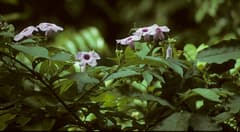
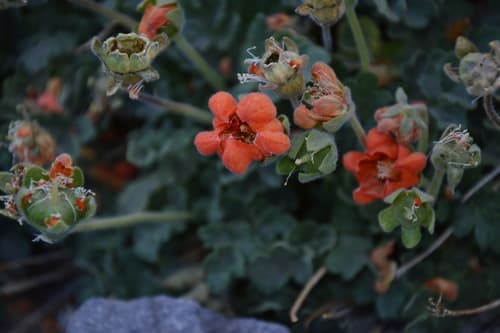
Solanum yirrkalense is a thorny shrub, typically growing up to 1-2 meters tall, with stems and leaves covered in stellate hairs. Its ovate to broadly ovate leaves often have shallow lobes and bear prominent spines, as do the stems. The plant produces small clusters of purple or white star-shaped flowers, followed by globose berries that are yellow or orange when ripe.