Hibiscus
NameHibiscus
Scientific NameHibiscus rosa-sinensis
Common NamesHibiscus, Chinese Hibiscus, Rose Mallow, Shoeblackplant
Plant FamilyMalvaceae
Natural HabitatNative to tropical and subtropical regions of East Asia, it is widely cultivated in warm climates globally in gardens and as a potted plant.
Parts Usedflower,leaf,root
Medicinal Actionsanti-inflammatory, antioxidant, diuretic, astringent
Traditional UsesTraditionally used for its cooling properties, to support cardiovascular health, and to help lower blood pressure. Flowers and leaves are also used in traditional remedies for skin and hair care, and to alleviate coughs and colds.
Active ConstituentsAnthocyanins, Flavonoids, Organic acids (e.g., hibiscus acid, citric acid), Mucilage
Preparation Methodsinfusion, decoction, powder, salve
Contraindications & WarningsMay interact with blood pressure medications due to its hypotensive effects. Pregnant or breastfeeding women should consult a healthcare professional before use.
Cultivation NotesThrives in full sun to partial shade with well-drained soil. Requires warm temperatures and regular watering, especially during dry periods, and benefits from occasional fertilization.
Raritycommon
Description
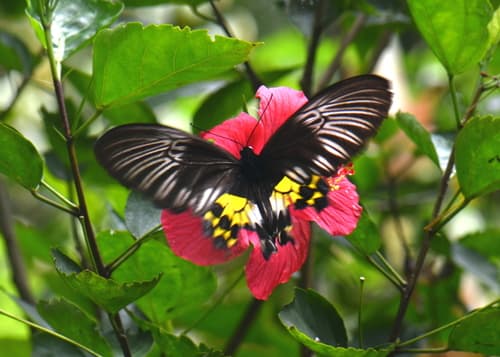
A tropical evergreen shrub known for its large, showy, trumpet-shaped flowers, typically red but also found in various colors. It has glossy green leaves and a woody stem, often grown as an ornamental.