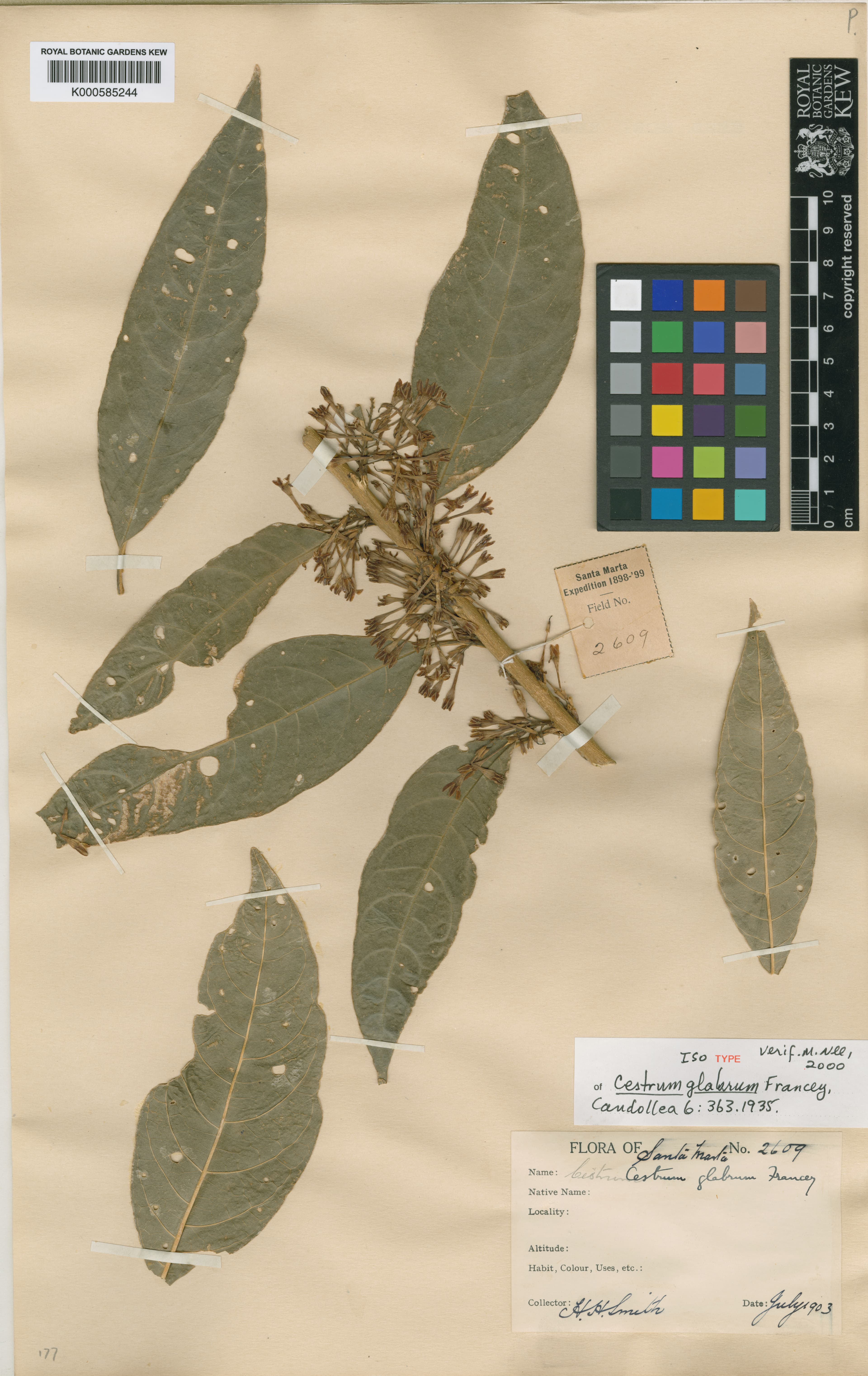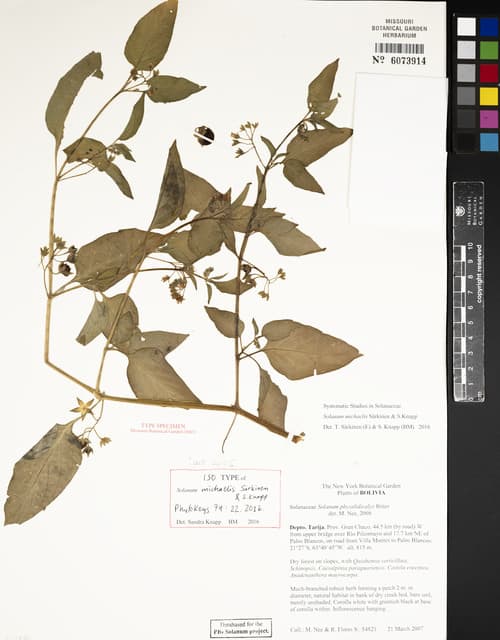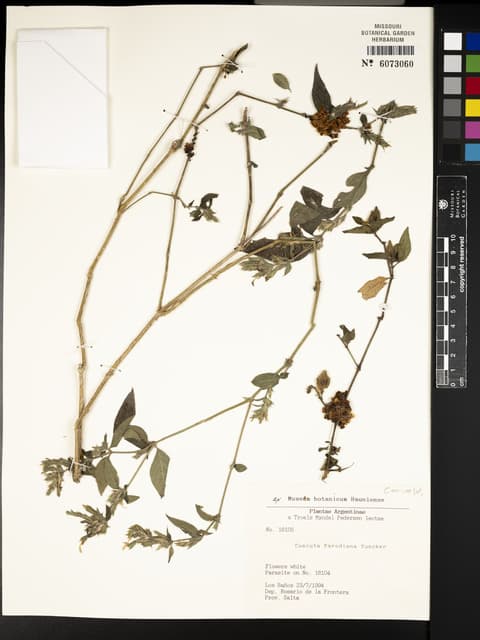
Cuscuta parodiana
Image: MBG (cc-by-nc)
NameCuscuta parodiana
Scientific NameCuscuta parodiana Yunck.
Common NamesDodder, Love Vine, Strangleweed, Cabello de Ángel
Plant FamilyConvolvulaceae
Natural HabitatThis species is native to South America, particularly found in Argentina, where it parasitizes various herbaceous and woody plants in disturbed areas, fields, and natural ecosystems.
Parts Usedwhole_plant,seed
Medicinal Actionsanti-inflammatory, antioxidant, diuretic, astringent
Traditional UsesTraditionally, Cuscuta species, including Cuscuta parodiana by extension, have been used as a general tonic, particularly for kidney and liver support. They are employed in folk medicine for conditions such as urinary issues, reproductive health (e.g., impotence, premature ejaculation), and to improve vision.
Active ConstituentsFlavonoids, Lignans, Polysaccharides, Saponins
Preparation Methodsinfusion, decoction, powder
Contraindications & WarningsNot recommended during pregnancy. Caution is advised for individuals with spleen deficiency leading to loose stools. Potential for interactions with other medications due to its diverse chemical profile.
Cultivation NotesAs an obligate parasitic plant, Cuscuta parodiana is not typically cultivated independently. Its growth requires a suitable host plant, making it generally considered a weed in agricultural settings rather than a cultivated crop.
Raritycommon
Description
Cuscuta parodiana is an obligate parasitic plant characterized by its slender, thread-like, yellowish to reddish stems that lack chlorophyll. It twines around host plants, attaching via haustoria to absorb nutrients. Its small, white flowers are typically clustered along the stems.