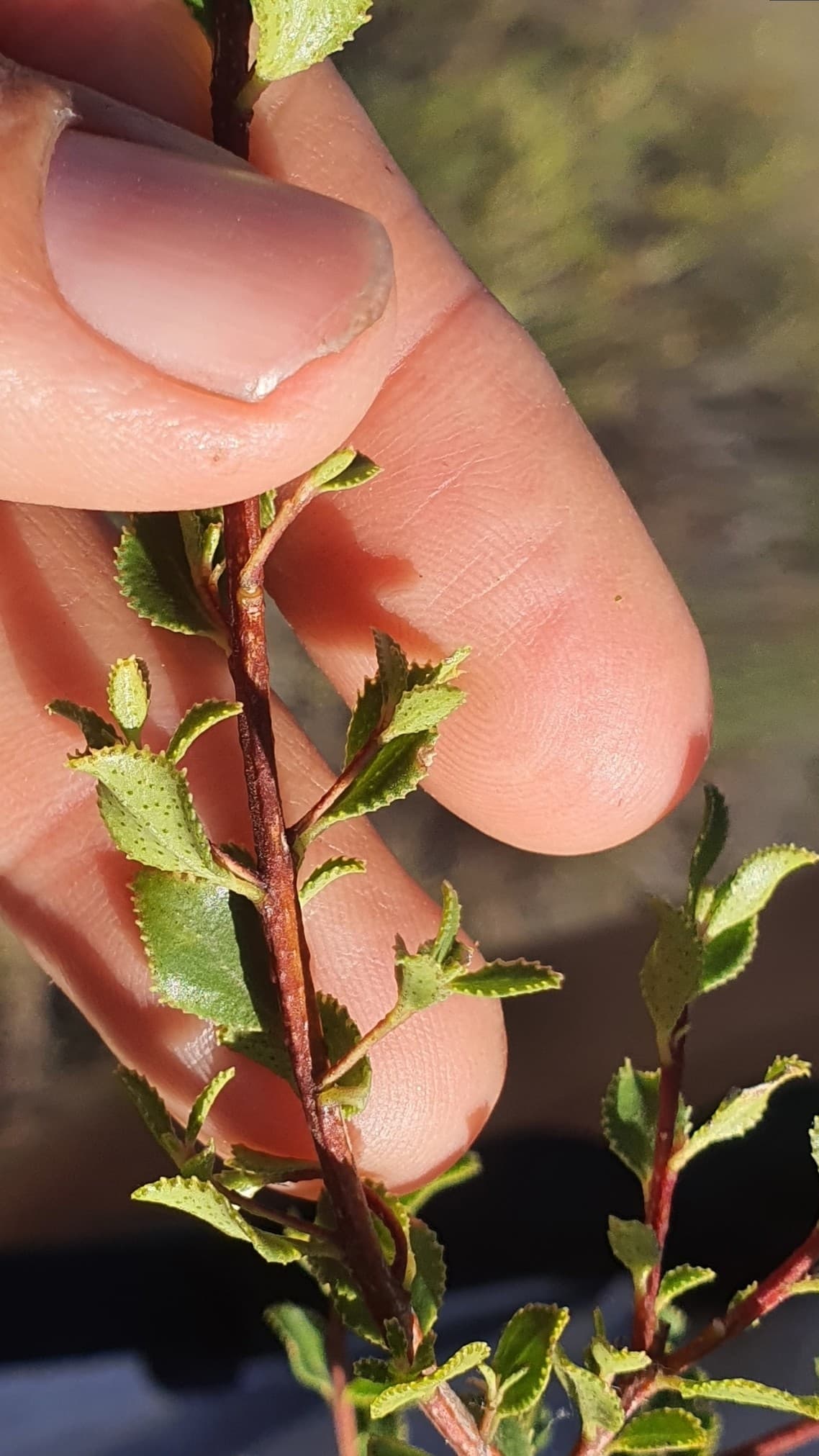
Cutleaf Nightshade
NameCutleaf Nightshade
Scientific NameSolanum triflorum
Common NamesCutleaf Nightshade, Three-flowered Nightshade, Wild Tomato
Plant FamilySolanaceae
Natural HabitatCommonly found in disturbed areas, fields, roadsides, and sandy or well-drained soils, often thriving in arid to semi-arid regions.
Parts Usedwhole_plant
Medicinal Actionssedative
Traditional UsesDue to its high toxicity, Cutleaf Nightshade is not safely used in traditional herbal medicine. While some *Solanum* species have been historically used externally for skin conditions or internally as narcotics in highly specific and dangerous contexts by indigenous groups, *Solanum triflorum* is generally considered poisonous and its medicinal use is strongly discouraged.
Active Constituentssolanine, solamargine, steroidal glycoalkaloids
Preparation Methodspoultice
Contraindications & WarningsALL parts of Cutleaf Nightshade are highly toxic. Ingestion can cause severe gastrointestinal upset, neurological symptoms, and can be fatal. Avoid use by pregnant or nursing women, children, and individuals with liver or kidney conditions. Do not apply to broken skin.
Cultivation NotesThis annual weed grows easily from seed, preferring disturbed sites and sandy or well-drained soils. It is drought-tolerant and can become invasive, but is not typically cultivated for medicinal purposes due to its toxicity.
Raritycommon
Description
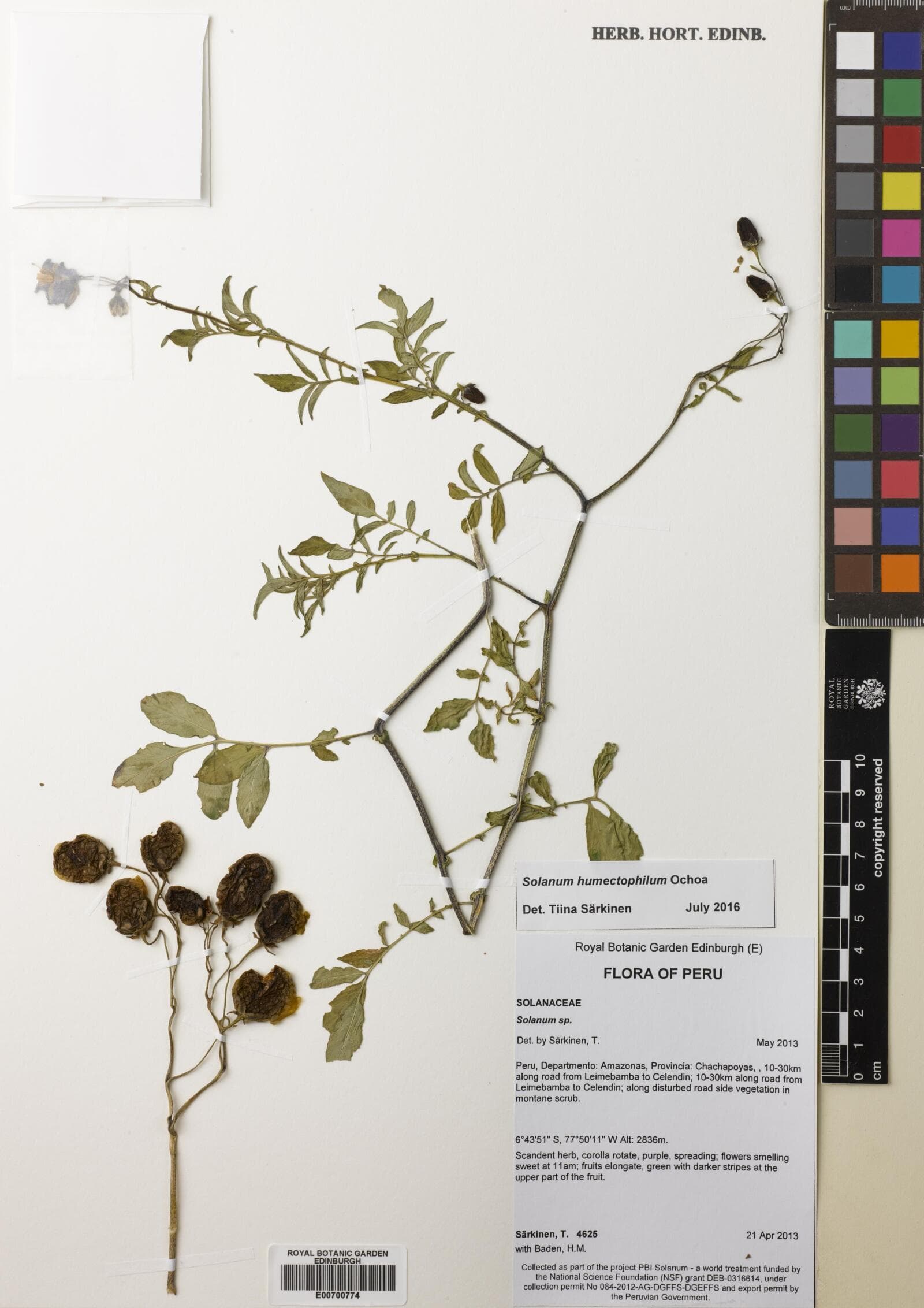
A low-growing annual herb characterized by its deeply lobed, somewhat spiny leaves. It produces small, white, star-shaped flowers with prominent yellow anthers, typically appearing in clusters of three, which are followed by small green berries.