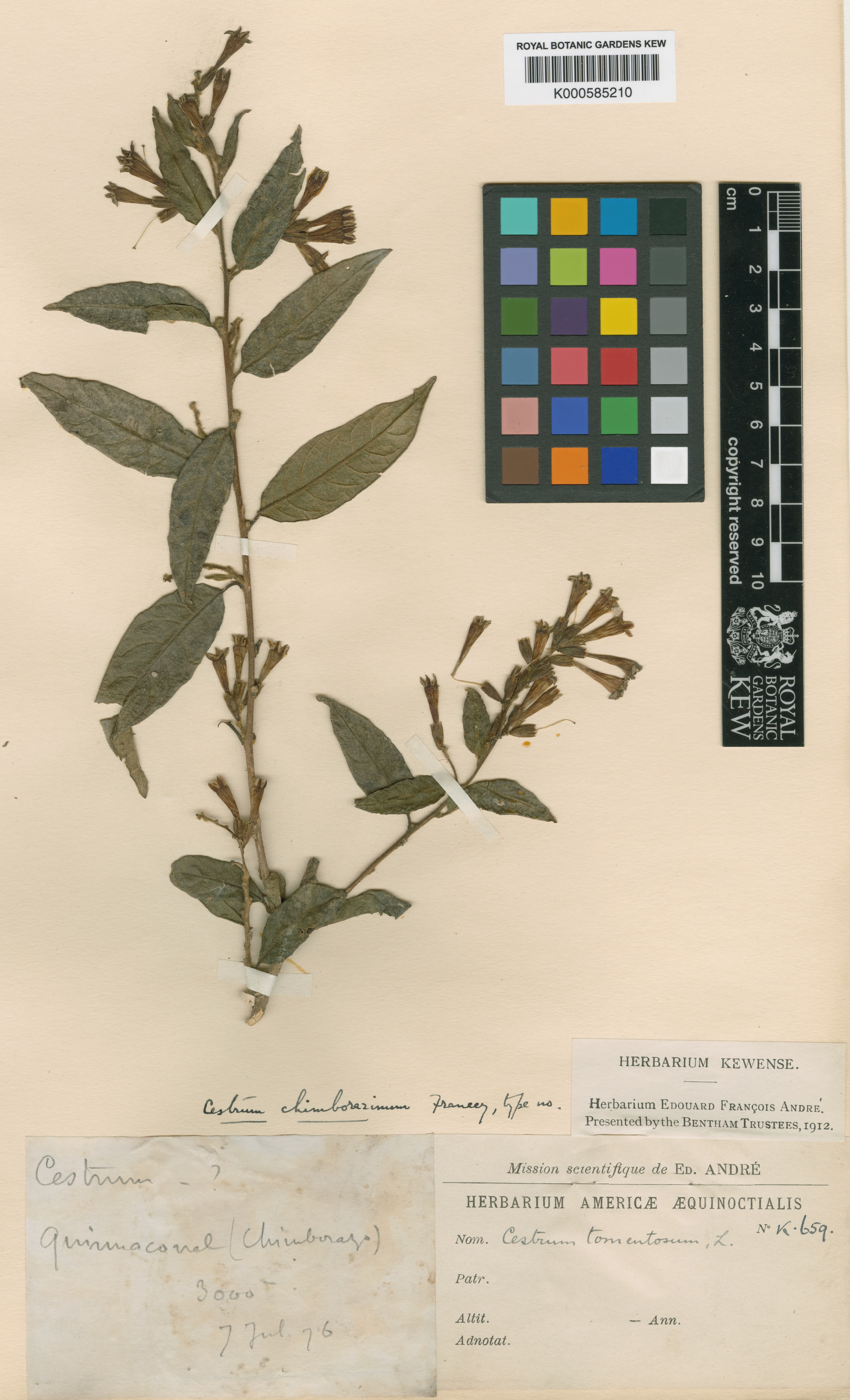
Hairy Tomato
NameHairy Tomato
Scientific NameSolanum habrochaites
Common NamesHairy Tomato, Wild Tomato
Plant FamilySolanaceae
Natural HabitatNative to the Andes region of South America, typically found in dry, rocky, and disturbed areas, often at higher altitudes.
Parts Usedfruit,leaf
Medicinal Actionsantioxidant, anti-inflammatory
Traditional UsesTraditionally, the fruit is consumed for its nutritional value, being rich in vitamins and antioxidants. Some historical uses might include topical application of leaves as a poultice for minor skin irritations, though this requires caution due to potential toxicity.
Active ConstituentsLycopene, Carotenoids, Flavonoids, Glycoalkaloids
Preparation Methodsinfusion, powder, poultice
Contraindications & WarningsUnripe fruit and leaves contain glycoalkaloids (e.g., tomatine) which can be toxic if consumed in large quantities. Internal use of leaves is generally not recommended. Allergic reactions are possible.
Cultivation NotesRequires full sun and well-drained soil. Can be grown as an annual in temperate climates. Tolerant of some drought conditions and often resistant to common pests.
Rarityuncommon
Description
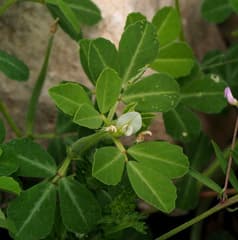
A herbaceous annual or short-lived perennial plant characterized by dense glandular hairs on its stems and leaves, giving it a sticky texture. It produces small, bright yellow, star-shaped flowers, followed by small, green to red fruits.