Fenugreek
NameFenugreek
Scientific NameTrigonella foenum-graecum
Common NamesFenugreek, Methi
Plant FamilyFabaceae
Natural HabitatNative to the Mediterranean region, Southern Europe, and Western Asia, Fenugreek thrives in sunny, well-drained soils. It is widely cultivated globally in temperate and subtropical climates.
Parts Usedleaf,seed
Medicinal Actionsanti-inflammatory, antimicrobial, antioxidant, astringent, carminative, demulcent, expectorant
Traditional UsesTraditionally, Fenugreek has been used to aid digestion, stimulate appetite, and increase milk production in lactating mothers. It is also employed to help manage blood sugar levels, reduce cholesterol, and as a topical poultice for skin inflammations and wounds. Internally, it's used for respiratory issues like coughs and bronchitis.
Active ConstituentsSaponins, Alkaloids, Mucilage, Flavonoids, Fiber, Volatile oils
Preparation Methodsinfusion, decoction, powder, poultice
Contraindications & WarningsFenugreek can interact with blood-thinning medications and diabetes medications, potentially lowering blood sugar too much. It is generally not recommended for pregnant women due to its potential to stimulate uterine contractions. Some individuals may experience allergic reactions or digestive upset.
Cultivation NotesFenugreek is an annual plant that prefers full sun exposure and well-drained soil. It is typically grown from seed and is relatively drought-tolerant once established. It can be harvested for its leaves as a herb or allowed to mature for its seeds.
Raritycommon
Description
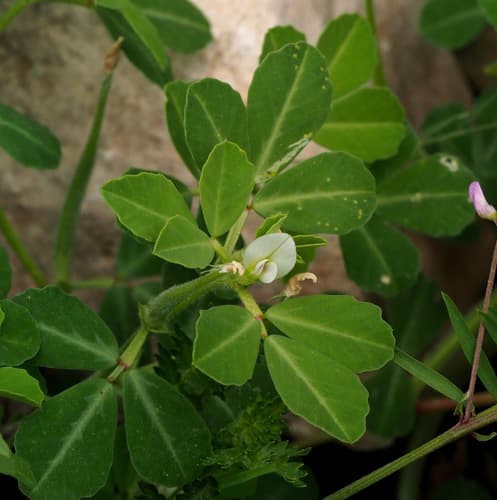
Fenugreek is an annual herbaceous plant characterized by its trifoliate leaves, small white or pale yellow pea-like flowers, and slender, elongated pods. The plant is known for its aromatic seeds, which are widely used as a spice and for medicinal purposes.