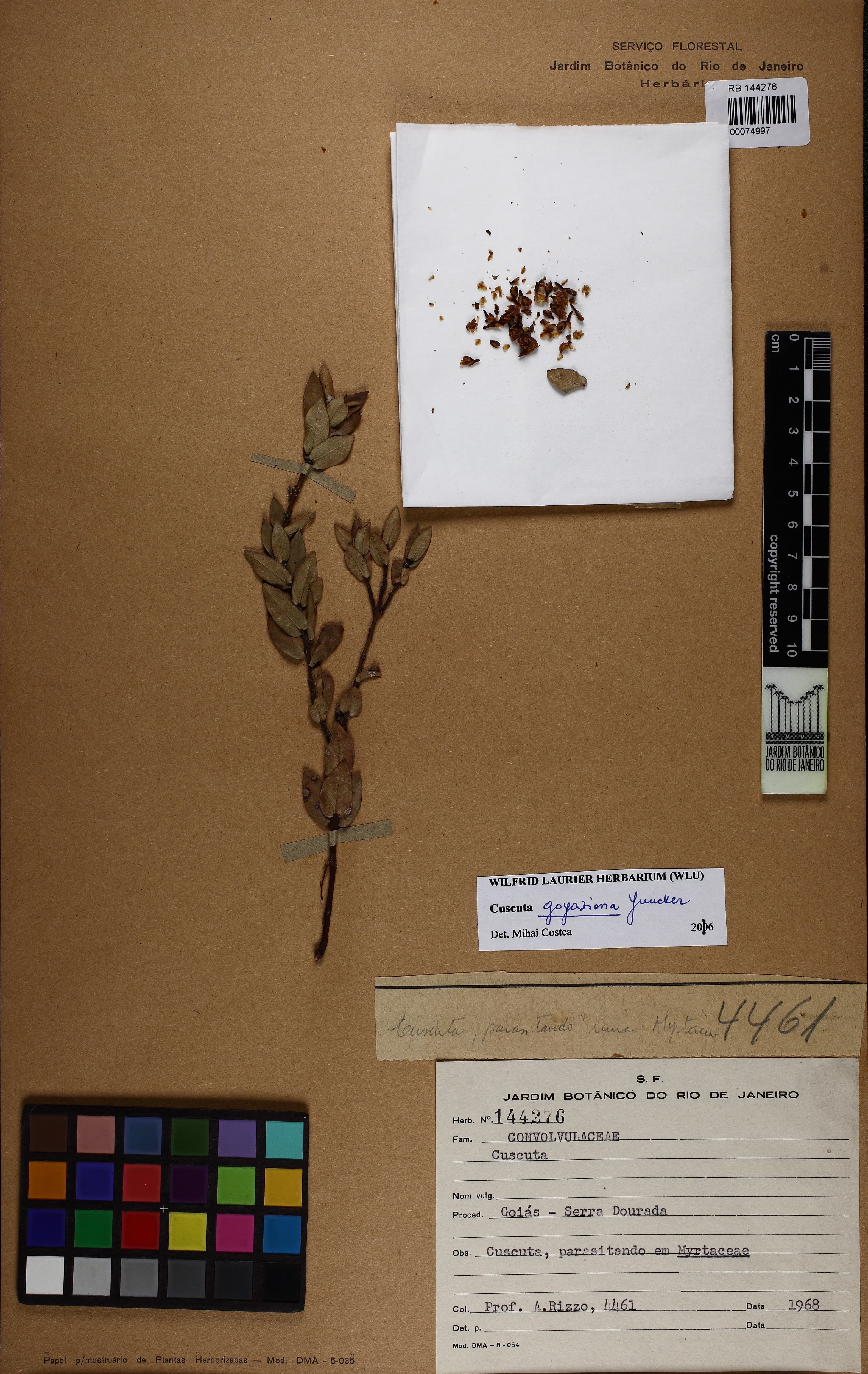
Cuscuta goyaziana
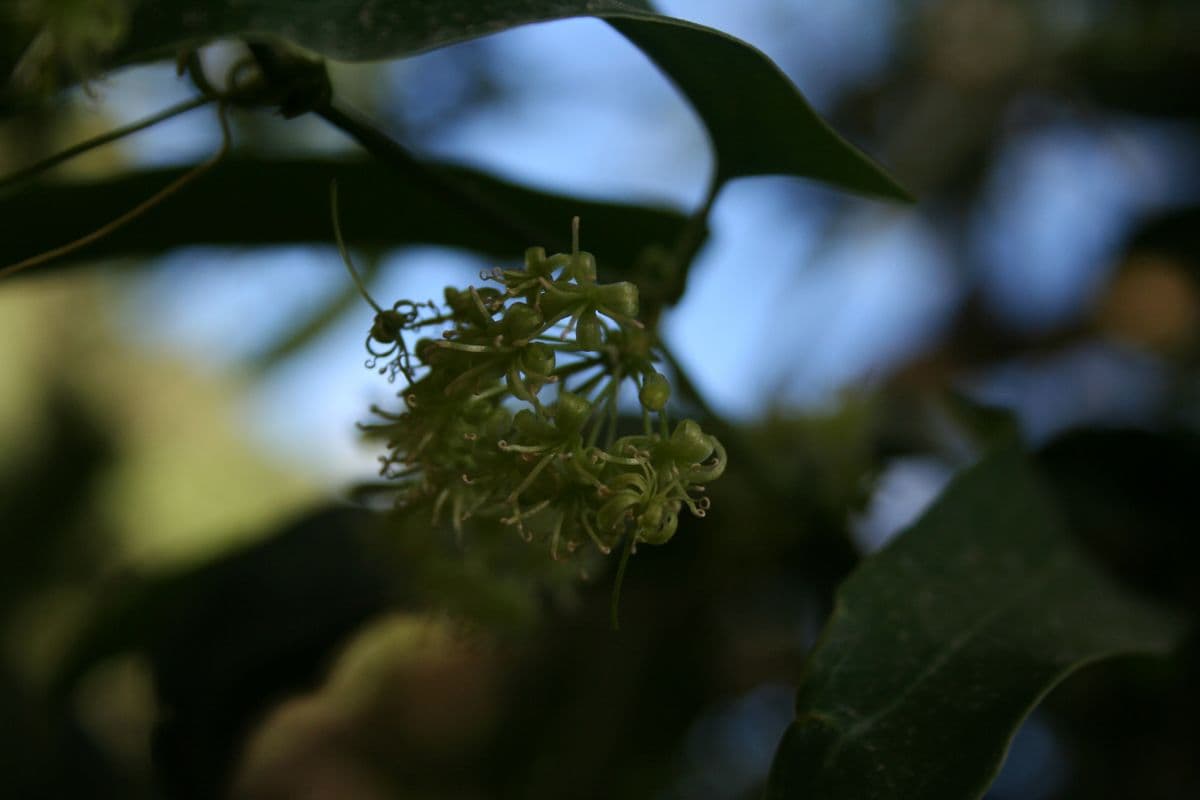
Image: A. Rizzo (cc-by)
NameCuscuta goyaziana
Scientific NameCuscuta goyaziana Yuncker
Common NamesDodder, Goiás Dodder
Plant FamilyConvolvulaceae
Natural HabitatThis species is parasitic on other plants, specifically noted to parasitize members of the Myrtaceae family. It is found in regions such as the Cerrado biome of Goiás, Brazil, thriving where suitable host plants are abundant.
Parts Usedwhole_plant,seed
Medicinal Actionsantioxidant, anti-inflammatory, diuretic, adaptogen, nervine
Traditional UsesTraditionally, various Cuscuta species are used to support kidney and liver function, improve vision, and enhance reproductive health. They are often employed as a general tonic, for addressing issues related to fluid retention, and for their potential anti-aging properties.
Active ConstituentsFlavonoids, Lignans, Polysaccharides, Coumarins
Preparation Methodsinfusion, decoction, powder, tincture
Contraindications & WarningsPregnant or breastfeeding individuals should avoid use. May interact with medications due to potential diuretic or hormonal effects. Consult a healthcare professional before use, especially if you have pre-existing medical conditions.
Cultivation NotesAs a parasitic plant, Cuscuta goyaziana is not typically cultivated for medicinal harvest. It relies entirely on host plants for survival and is usually wild-harvested from its natural habitat.
Rarityuncommon
Description
Cuscuta goyaziana is a parasitic vine characterized by its thread-like, chlorophyll-lacking stems that twine around host plants, absorbing nutrients via haustoria. Its small, inconspicuous flowers are typically clustered along the stems, appearing yellowish to reddish-brown.