Goat's Rue
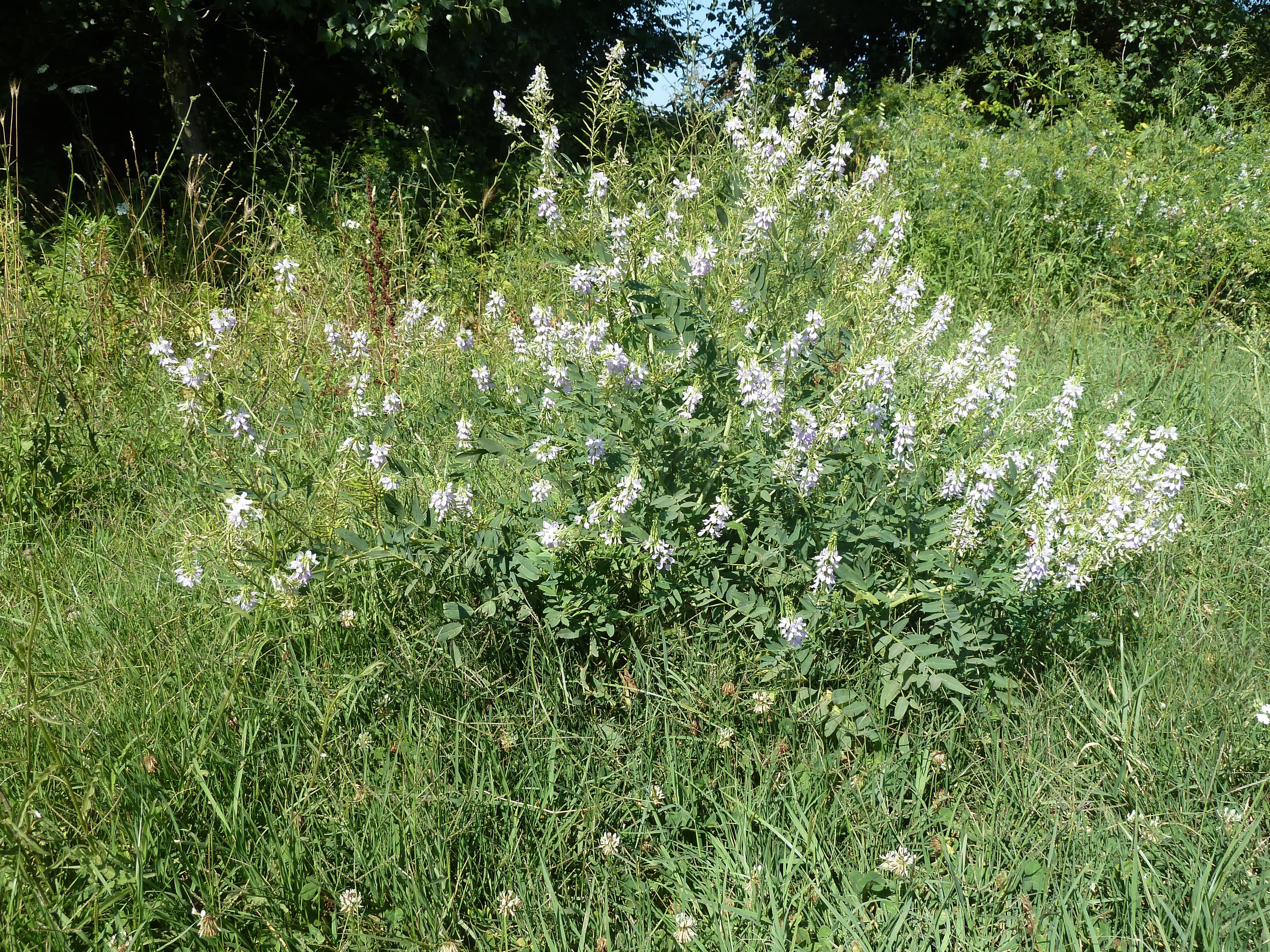
Image: Notafly2 (CC BY-SA 4.0)
NameGoat's Rue
Scientific NameGalega officinalis
Common NamesGoat's Rue, French Lilac, Italian Vetch, Professor Weed
Plant FamilyFabaceae
Natural HabitatNative to southern Europe and western Asia, it thrives in moist, disturbed soils, often found in meadows, along riverbanks, ditches, and waste ground. It has naturalized in many temperate regions worldwide, including parts of North America.
Parts Usedleaf,flower,whole_plant
Medicinal Actionsdiuretic, anti-inflammatory
Traditional UsesTraditionally, Goat's Rue has been used as a galactagogue to promote milk production in nursing mothers. Historically, it was also investigated for its potential to lower blood sugar levels, particularly in the management of early-stage diabetes, and was used as a diuretic and diaphoretic.
Active ConstituentsGalegine, Flavonoids, Saponins, Tannins
Preparation Methodsinfusion, tincture, powder
Contraindications & WarningsShould not be used during pregnancy. Caution is advised for individuals with diabetes or those taking blood sugar-lowering medications due to its potential hypoglycemic effects, which could lead to dangerously low blood sugar. Avoid before surgery.
Cultivation NotesA hardy perennial that prefers full sun to partial shade and moist, well-drained soil. It can be easily grown from seed but can become invasive in suitable conditions, spreading readily through rhizomes and prolific seed production.
Raritycommon
Description
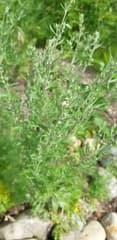
Goat's Rue is a robust, bushy perennial herb growing up to 1.5 meters tall, characterized by its pinnate leaves with numerous leaflets. It produces dense racemes of small, pea-like flowers, typically pale blue, lilac, or white, blooming from summer into early autumn. The plant has a somewhat sprawling habit and can form dense thickets.