Wormwood
NameWormwood
Scientific NameArtemisia absinthium
Common NamesWormwood, Absinthe Wormwood, Grand Wormwood
Plant FamilyAsteraceae
Natural HabitatNative to temperate regions of Eurasia and North Africa, often found in dry, uncultivated lands, rocky slopes, and roadsides. It thrives in disturbed areas.
Parts Usedleaf,flower,whole_plant
Medicinal Actionsanti-inflammatory, antimicrobial, carminative
Traditional UsesTraditionally used as a bitter tonic to stimulate digestion, treat parasitic worm infestations, and alleviate symptoms of indigestion, loss of appetite, and liver and gallbladder complaints. It was also historically used in the production of absinthe and as an insect repellent.
Active ConstituentsThujone, Absinthin, Anabsinthin, Flavonoids, Volatile oils
Preparation Methodsinfusion, decoction, tincture, essential oil, powder
Contraindications & WarningsNot recommended for pregnant or breastfeeding women, individuals with epilepsy or seizure disorders due to thujone content. Long-term or high-dose use can be toxic and lead to neurological damage. Avoid in individuals with kidney problems or ulcers.
Cultivation NotesPrefers full sun and well-drained, poor to moderately fertile soil. Drought-tolerant once established. Can be propagated by seed or cuttings and is hardy in USDA zones 4-9.
Raritycommon
Description
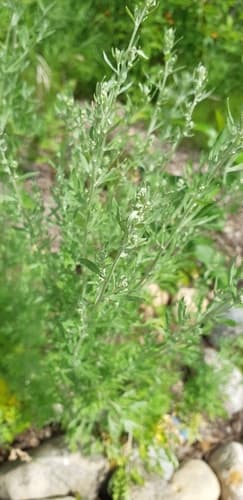
A perennial herbaceous plant known for its silvery-green, deeply lobed leaves and intensely bitter, aromatic scent. It produces small, yellowish-green flower heads in panicles during summer.