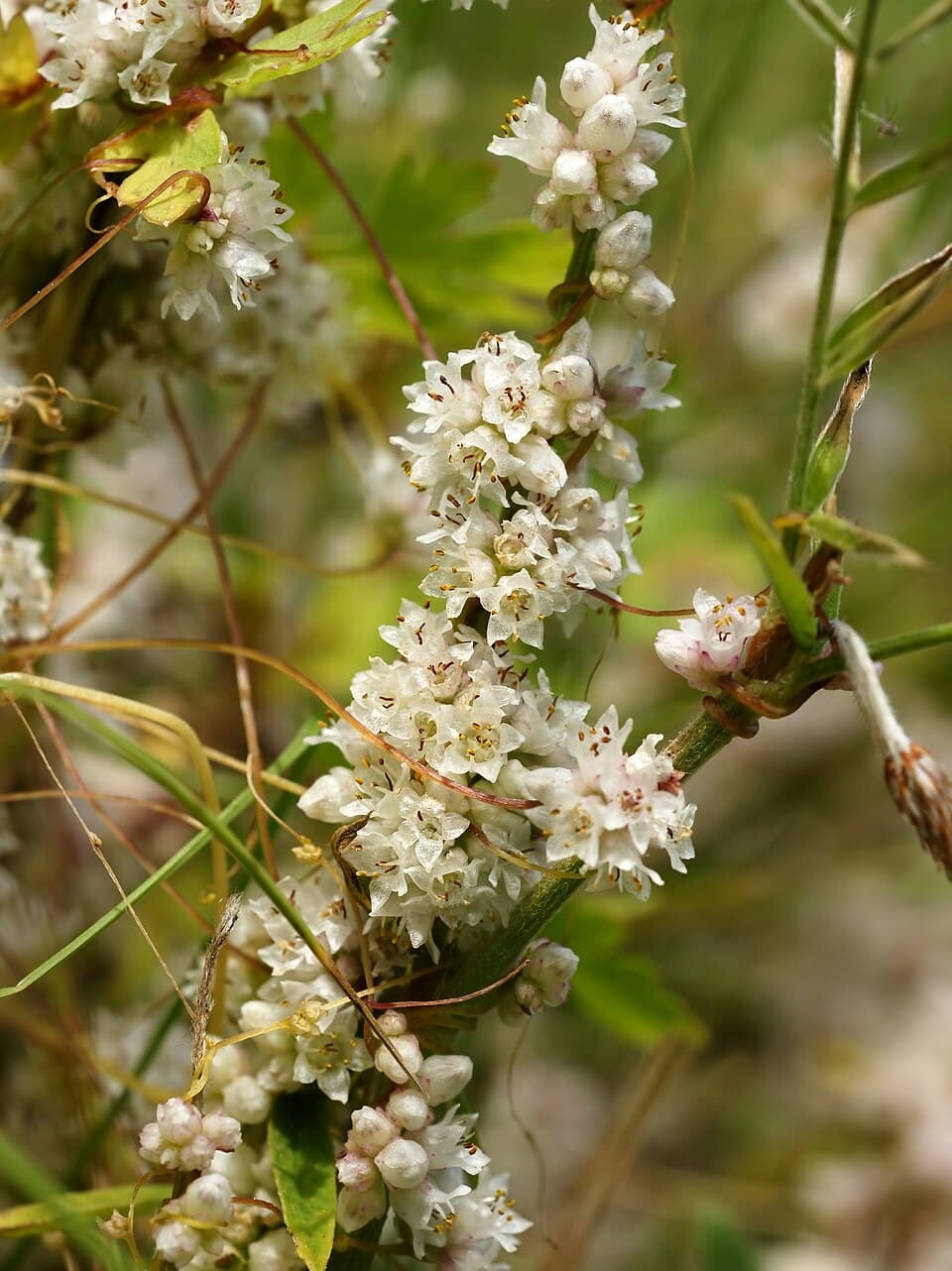
Cuscuta convallariiflora
Image: ELAR corporation (Moscow, Russia) (cc-by)
NameCuscuta convallariiflora
Scientific NameCuscuta convallariiflora
Common NamesDodder, Love Vine, Strangleweed
Plant FamilyConvolvulaceae
Natural HabitatFound parasitizing a variety of host plants in temperate and subtropical regions. This specimen was collected from host plants identified as Salix (willow) and Rosa (rose) in the Karatau mountains of Kazakhstan.
Parts Usedwhole_plant,seed
Medicinal Actionsanti-inflammatory, antioxidant, diuretic, adaptogen
Traditional UsesTraditionally, species within the Cuscuta genus, particularly their seeds, are used as a kidney and liver tonic, to address issues like impotence, premature ejaculation, frequent urination, and blurred vision. It is also employed to strengthen bones and tendons and for general vitality.
Active ConstituentsFlavonoids, Lignans, Polysaccharides
Preparation Methodsinfusion, decoction, powder, tincture
Contraindications & WarningsCaution is advised during pregnancy. Due to its parasitic nature, the chemical composition can vary based on the host plant, potentially influencing its effects.
Cultivation NotesExtremely challenging to cultivate as it is an obligate parasite, requiring a suitable host plant for germination and survival. It lacks chlorophyll and cannot photosynthesize independently.
Rarityuncommon
Description
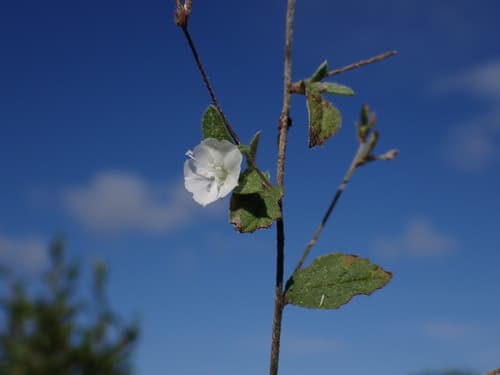
A parasitic annual plant characterized by its slender, thread-like, yellowish to reddish stems that twine around host plants. It lacks true leaves, instead possessing minute scales, and produces small, clustered flowers.