Forest Bindweed
NameForest Bindweed
Scientific NameCalystegia sepium
Common NamesHedge Bindweed, Greater Bindweed, Bearbind, Forest Bindweed
Plant FamilyConvolvulaceae
Natural HabitatCommonly found in hedges, thickets, woodland edges, disturbed ground, gardens, and along roadsides. It prefers moist, fertile soils and full sun to partial shade.
Parts Usedroot,leaf,whole_plant
Medicinal Actionsdiuretic, anti-inflammatory
Traditional UsesTraditionally, the root was used as a strong purgative for severe constipation, though this use is now largely discouraged due to its potency. Externally, poultices made from the leaves or roots were applied to wounds, swellings, and skin irritations for their purported anti-inflammatory effects. It was also used as a diuretic.
Active Constituentsresin glycosides, tannins, flavonoids
Preparation Methodsdecoction, poultice
Contraindications & WarningsInternal use is generally not recommended due to its strong purgative effect, which can cause severe abdominal cramping, dehydration, and potential toxicity. It should be avoided by pregnant or breastfeeding women, children, and individuals with gastrointestinal inflammation or obstruction.
Cultivation NotesConsidered a persistent and often invasive weed in many regions due to its aggressive growth and deep, extensive root system. It spreads rapidly by rhizomes and seeds, making it difficult to eradicate once established. Thrives in disturbed soil and full sun.
Raritycommon
Description
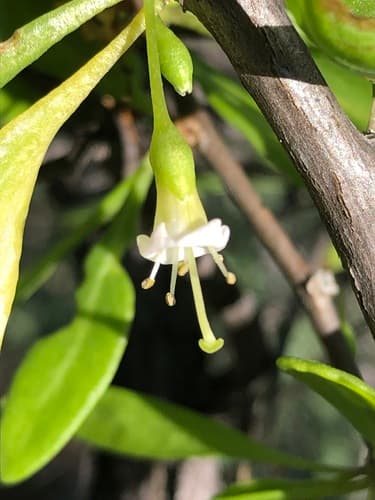
A vigorous perennial climbing vine, Hedge Bindweed features twining stems that can reach several meters in length. It is characterized by alternate, sagittate to triangular leaves and large, showy, funnel-shaped white or pale pink flowers, often solitary in leaf axils.