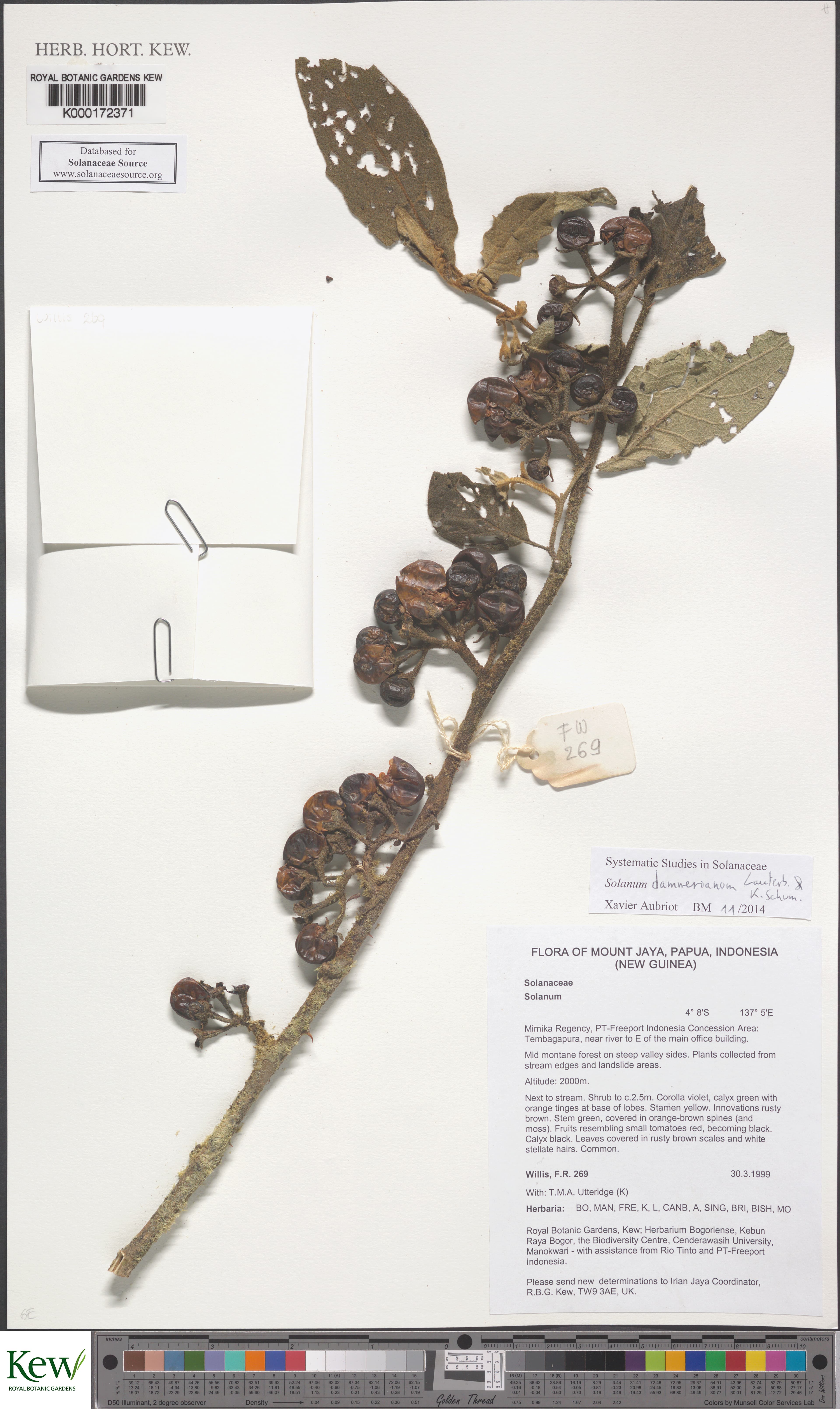
Red Angel's Trumpet
NameRed Angel's Trumpet
Scientific NameBrugmansia sanguinea
Common NamesRed Angel's Trumpet, Blood Red Angel's Trumpet, Floripondio Rojo
Plant FamilySolanaceae
Natural HabitatNative to the high-altitude Andes mountains of South America, growing in cloud forests and moist, cool environments. It is widely cultivated as an ornamental in tropical and subtropical regions worldwide.
Parts Usedleaf,flower
Medicinal Actionsanalgesic, sedative
Traditional UsesTraditionally, indigenous cultures in the Andes used *Brugmansia sanguinea* for ritualistic and shamanic purposes, primarily as a potent hallucinogen and for its strong analgesic and sedative effects. It was applied topically as a poultice for pain relief, rheumatism, and setting bones, and occasionally ingested in extremely small, controlled doses during spiritual ceremonies. It is critical to note that all parts of this plant are highly toxic and internal use is extremely dangerous and potentially lethal.
Active Constituentsscopolamine, atropine, hyoscyamine, tropane alkaloids
Preparation Methodspoultice, infusion
Contraindications & WarningsEXTREMELY TOXIC. All parts of the plant are poisonous. Ingestion can cause severe anticholinergic syndrome, including hallucinations, delirium, tachycardia, hyperthermia, dry mouth, dilated pupils, seizures, coma, and death. Should never be ingested or used without expert supervision. Interacts with other anticholinergic drugs, sedatives, and alcohol. Not safe for pregnant or nursing women, children, or individuals with heart conditions, glaucoma, or prostate enlargement.
Cultivation NotesPrefers full sun to partial shade and well-drained, fertile soil. Requires consistent moisture and regular feeding, especially during its blooming period. Can be grown in containers and overwintered indoors in colder climates. Propagated easily from cuttings.
Raritycommon
Description
Red Angel's Trumpet is a large, woody shrub or small tree known for its striking, pendulous, trumpet-shaped flowers. These fragrant blooms typically exhibit a vibrant color gradient, often transitioning from yellow at the base to shades of red or orange at the flared opening. Its large, simple leaves are ovate to oblong.