Field Bindweed
NameField Bindweed
Scientific NameConvolvulus arvensis
Common NamesField Bindweed, Morning Glory, Lesser Bindweed, Creeping Jenny, European Bindweed
Plant FamilyConvolvulaceae
Natural HabitatIt thrives in a wide range of disturbed habitats, including agricultural fields, gardens, roadsides, waste areas, and pastures. This highly adaptable plant prefers full sun and well-drained soils but tolerates various soil types.
Parts Usedwhole_plant
Medicinal Actionsdiuretic, astringent
Traditional UsesTraditionally, the plant has been used cautiously as a strong purgative or laxative, particularly the root, though this is not recommended due to toxicity. Externally, poultices of the leaves have been applied to wounds, bruises, and insect bites for their purported astringent and anti-inflammatory effects.
Active ConstituentsConvolvulin, tannins, alkaloids, saponins
Preparation Methodsinfusion, decoction, poultice
Contraindications & WarningsField bindweed is considered toxic when ingested, especially in large quantities, causing severe gastrointestinal upset, vomiting, diarrhea, and potentially neurological effects. Internal use is generally not recommended due to its toxicity. Avoid during pregnancy and lactation, and note that it can be toxic to livestock.
Cultivation NotesField bindweed is a highly invasive and persistent weed, extremely difficult to eradicate due to its deep and extensive root system. It spreads rapidly by seeds and rhizomes, outcompeting cultivated plants. Intentional cultivation is not recommended; rather, management focuses on control.
Raritycommon
Description
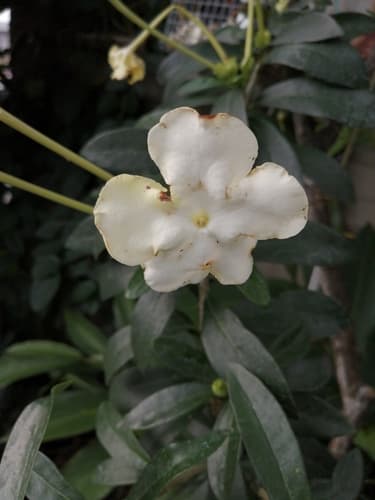
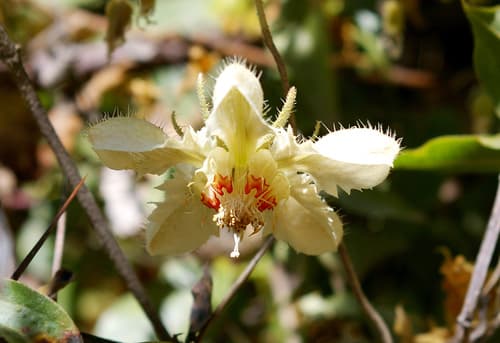
Field bindweed is a perennial herbaceous vine characterized by its delicate, funnel-shaped white to pale pink flowers, often with five faint stripes. Its arrow-shaped leaves grow alternately along slender, twining stems that spread extensively along the ground or climb other vegetation.