Solanum trichopetiolatum
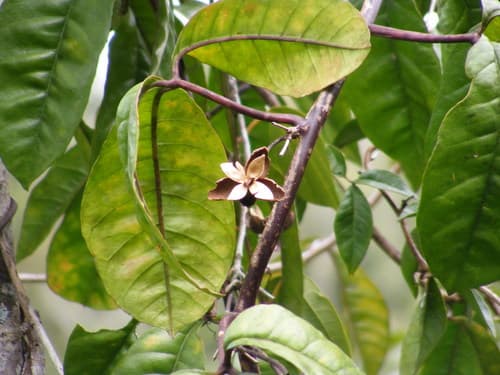
Image: Désiré Ravelonarivo, MBG-Madagascar (cc-by-nc)
NameSolanum trichopetiolatum
Scientific NameSolanum trichopetiolatum D' Arcy & Rakot.
Plant FamilySolanaceae
Natural HabitatEndemic to Madagascar, typically found in humid forest environments.
Parts Usedfruit,leaf
Medicinal Actionsanti-inflammatory, analgesic
Traditional UsesSpecific traditional medicinal uses for Solanum trichopetiolatum are not widely documented. However, other species within the Solanum genus are traditionally used in various cultures for their anti-inflammatory and analgesic properties, often for conditions like pain, fever, and skin ailments. Many Solanum species are also known for their toxicity, especially unripe fruits, due to glycoalkaloid content.
Active Constituentssteroidal glycoalkaloids, solanine, solamargine
Preparation Methodsdecoction, poultice
Contraindications & WarningsDue to the presence of steroidal glycoalkaloids common in the Solanum genus, unripe fruits and other parts may be toxic. General contraindications for Solanum species include pregnancy, lactation, young children, and individuals with known allergies to nightshades. Consultation with a qualified expert is essential before any use.
Cultivation NotesRequires warm, humid conditions, well-drained soil, and partial shade, mimicking its native Madagascan humid forest habitat. Propagation is likely by seed or cuttings.
Rarityrare
Description
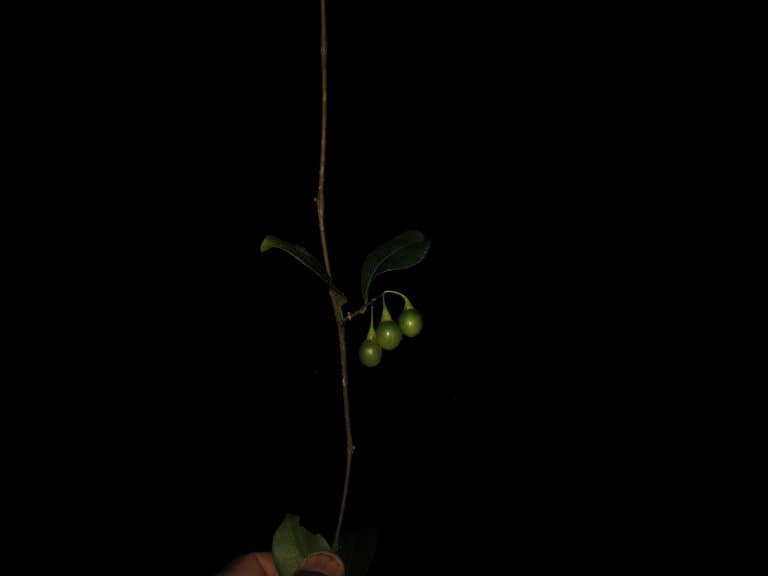
A species of shrub or small tree, endemic to Madagascar, characterized by simple leaves and producing small, spherical, green fruits. The species name suggests the presence of hairy petioles.