Solanum luteoalbum
Image: Melchor-Castro, R. Briggitthe, Balvin, Richard & Gonzalo, Lynn (cc0)
NameSolanum luteoalbum
Scientific NameSolanum luteoalbum Pers.
Common NamesYellow Nightshade, Black Nightshade (complex)
Plant FamilySolanaceae
Natural HabitatCommonly found in disturbed areas, agricultural fields, roadsides, and waste grounds, particularly in temperate and subtropical regions, including its native range in South America.
Parts Usedleaf,fruit,whole_plant
Medicinal Actionsanalgesic, anti-inflammatory, diuretic, sedative
Traditional UsesTraditionally, species within the Solanum nigrum complex (to which S. luteoalbum is often related) have been used for their analgesic and anti-inflammatory properties. It is often applied externally as a poultice for skin conditions, boils, and wounds. Internally, it has been used cautiously for pain, fever, and as a diuretic, though toxicity is a significant concern.
Active ConstituentsSolanine, Solamargine, Solasonine, Steroidal glycoalkaloids
Preparation Methodsinfusion, decoction, poultice
Contraindications & WarningsHighly toxic, especially unripe fruits and leaves, due to the presence of steroidal glycoalkaloids. Not recommended for internal use without expert supervision. Contraindicated in pregnancy, lactation, and children. May interact with medications.
Cultivation NotesOften grows as a weed; prefers full sun to partial shade and well-drained soil. Can be easily propagated by seed and is generally robust.
Raritycommon
Description
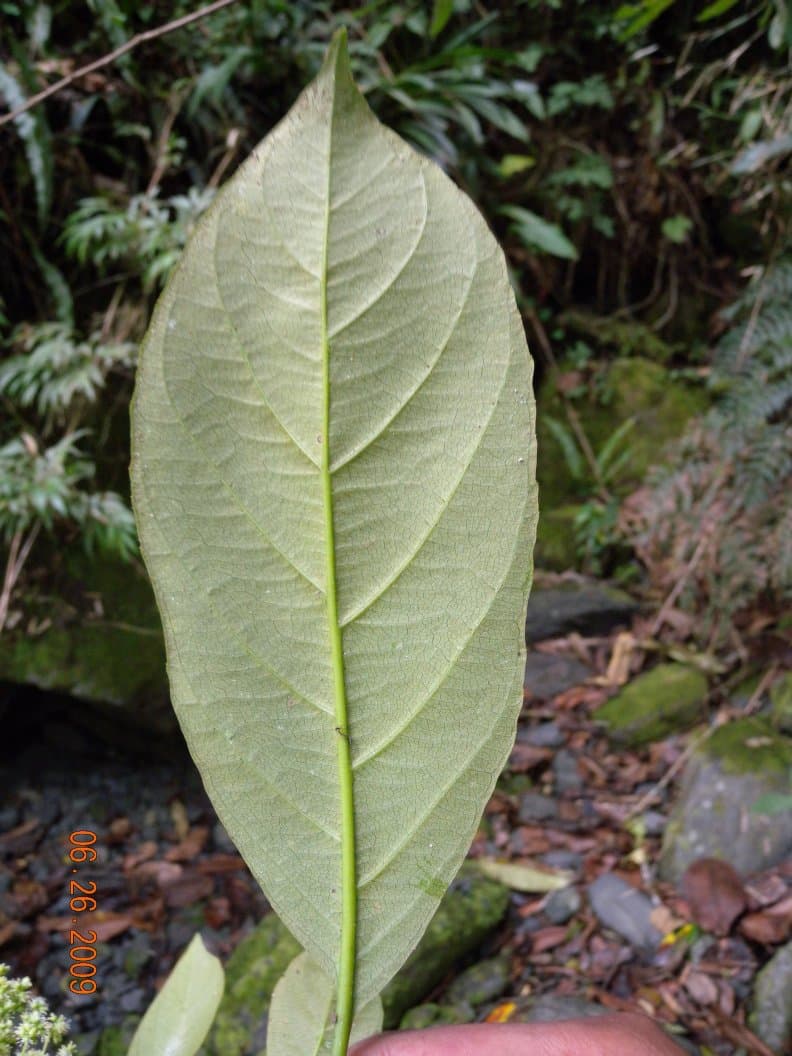
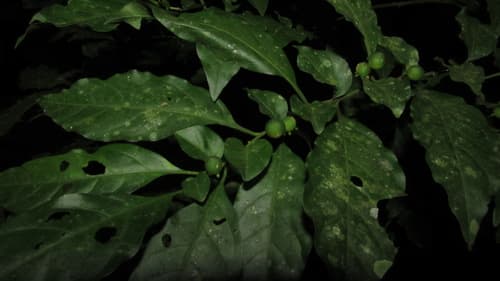
A herbaceous plant or small shrub characterized by simple, alternate, ovate to elliptic leaves with entire margins. It produces small, spherical berries that ripen from green to dark, or in some forms, yellowish-orange.